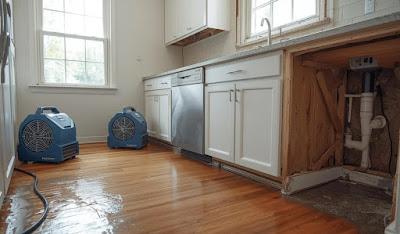
Understanding Water Intrusion and Why Speed Matters
Water intrusion moves fast, spreading through flooring, drywall, and framing. Within hours, moisture can wick up walls, weaken subfloors, and fuel microbial growth. Swift action limits secondary damage, shortens drying time, and preserves more of the structure and contents. Coordinated steps—stopping the source, removing standing water, and stabilizing humidity—are the heart of an effective restoration plan.
Early Warning Signs Homeowners Often Miss
Small leaks can be just as destructive as a burst line if they’re overlooked. Watch for subtle clues that moisture has penetrated building materials:
- Musty or earthy odors, especially after running HVAC
- Warped baseboards or cupping hardwood
- Staining along ceiling seams and around light fixtures
- Peeling paint, bubbling drywall tape, or rust on tack strips
Four Immediate Steps to Protect Your Property
1) Shut off the source: Close the supply valve or main water shutoff and, if safe, switch off electricity in affected zones.
2) Remove standing water: Use mops, towels, or a wet vac to extract visible water, starting from the lowest point and moving outward.
3) Promote safe airflow: Open interior doors, remove damp rugs, and set fans to push air across wet surfaces—not directly into walls.
4) Document everything: Photograph the damage, note affected rooms and materials, and save receipts for any urgent purchases or temporary housing.
Moisture Mapping and Why It Guides the Whole Project
After initial stabilization, moisture mapping identifies what’s wet, what’s drying, and what’s at risk. Noninvasive meters, thermal imaging, and hygrometers reveal hidden pockets behind baseboards, under vinyl, and inside wall cavities. Accurate readings drive decisions about where to open walls, how much trim to remove, and the right balance of dehumidification and targeted airflow. Skipping this step can trap moisture, leading to odors, staining, and structural deterioration months later.
Drying Strategies That Respect Your Materials
Every surface responds differently to prolonged exposure. Drywall can delaminate, insulation can lose R-value, and engineered wood may swell at edges. A calibrated plan uses:
- Controlled demolition only where necessary to ventilate cavities
- Low-grain refrigerant or desiccant dehumidifiers to pull moisture from the air
- Directed air movers positioned to create crossflow without over-driving sensitive materials
- Temperature management to speed evaporation while protecting finishes
Health and Safety Considerations During Cleanup
Water events are not just structural issues—they can be health hazards. Grey and black water incidents introduce contaminants. Even clean water becomes problematic as it stagnates. Protect occupants by isolating affected areas, using proper personal protective equipment, and disposing of unsalvageable porous materials that cannot be cleaned and dried thoroughly. If mold is present or suspected, containment, negative air, and removal protocols help keep spores from moving into clean spaces.
Working With Insurance and Building a Clear Scope
Transparent communication and thorough documentation help streamline claims. A detailed scope of work typically includes moisture readings, equipment logs, demolition notes, and a drying timeline. This clarity supports smooth approvals and ensures that the final repairs restore both function and appearance—from subfloor stabilization to priming, painting, and reinstallation of trim and flooring.
Preventive Measures to Reduce Future Risk
Mitigation doesn’t end when the last dehumidifier leaves. Consider routine appliance hose inspections, water leak alarms under sinks and behind washers, and periodic roof and flashing checks. Simple upgrades—like reinforced supply lines and proper grading around the foundation—can significantly lower the risk of repeat incidents.
Member Spotlight
Noble Restoration LLC
2266 S Dobson Rd #200
Mesa, Arizona 85202
(602) 556-2223
https://noblerestorations.com/
For homeowners and businesses seeking water damage restoration mesa, Noble Restoration LLC in Mesa, Arizona delivers responsive care. Noble Restorations provides fast, reliable water damage restoration, fire damage restoration, mold damage cleanup, and professional mold removal services for homeowners and businesses. When unexpected damage strikes, their experienced team responds quickly to assess the situation, stop further damage, and restore your property safely and efficiently. From emergency water extraction and structural drying to complete mold remediation and mold removal, Noble Restorations uses advanced equipment and proven restoration methods to bring properties back to pre-loss condition. Whether you are dealing with flooding, fire damage, or hidden mold growth, Noble Restorations is committed to providing dependable restoration services with clear communication and quality workmanship you can trust.
