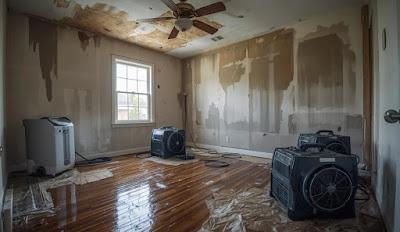
When storms roll through the desert, water can find its way into places it doesn’t belong. In a climate where sudden downpours meet high heat, drying challenges and hidden moisture become real threats. A thoughtful approach to water damage restoration helps protect structures, preserve indoor air quality, and stop secondary problems before they start.
1) Rapid response and safety first
- Water spreads quickly, wicking into drywall, baseboards, and flooring. The sooner mitigation begins, the easier it is to contain the impact. Before any work starts, electricity and gas should be checked for safety. Slip hazards, ceiling sagging, and potential contaminants must be identified. Protective gear, safe entry, and controlled movement through the space reduce cross-contamination and preserve salvageable materials.
2) Source control and containment
- Stopping the intrusion is step one: shutting off supply lines, tarping compromised roofs, or channeling stormwater away from entries. Physical containment using plastic sheeting and zip walls can isolate affected rooms, preventing dust, spores, and humid air from migrating. In multi-room scenarios, establishing clean and dirty zones supports efficient workflows and keeps unaffected areas protected.
3) Moisture mapping and material assessment
- Moisture is invisible without the right instruments. Pin and pinless meters, infrared cameras, and hygrometers work together to map the wet footprint. Different materials hold and release water at different rates; for example, cellulose-rich drywall saturates fast, while dense hardwood may hide moisture under the finish. Documenting moisture readings creates a baseline and guides decisions about what can be dried in place versus what needs removal.
4) Strategic extraction and professional drying
- High-efficiency extraction removes bulk water before air movers and dehumidifiers take over. Directed airflow lifts moisture from surfaces, while dehumidification pulls vapor from the air, preventing it from re-settling. Equipment placement matters: cornering air movers to create clockwise or counterclockwise airflow, sealing ducts to prevent loss of conditioned air, and monitoring grain depression help maintain steady progress. Consistent checks ensure drying targets are met without over-drying sensitive materials.
5) Cleaning, sanitation, and odor control
- Once surfaces are stable, professional cleaning removes soils left by stormwater or plumbing leaks. Porous items that stayed wet for extended periods may need specialized care or replacement to protect indoor air quality. Odor often signals residual moisture or contaminants. Addressing odor at the source—through thorough drying, targeted cleaning, and proper ventilation—beats masking scents with fragrances every time.
6) Preventing secondary damage with smart decisions
- Secondary issues arise when moisture lingers behind baseboards, inside wall cavities, or under flooring. Timely removal of wet pads, selective demolition of swollen trim, and venting or opening assemblies allow trapped moisture to escape. Overlooking a closet, stair landing, or built-in can lead to slow-developing problems later. For many homeowners in the Valley, vigilance regarding microbial growth is essential; thorough drying and sanitation practices reduce the need for urgent MOLD REMOVAL MESA interventions after the fact.
7) Rebuilding with resilience in mind
- After stabilization, repairs should aim for durability. Consider moisture-tolerant materials in historically affected areas, elevate storage off slab floors, improve exterior grading, and verify that gutters and downspouts direct water away from foundations. Inside, simple changes—like choosing washable baseboards, sealing gaps around plumbing penetrations, and adding access panels to shutoff valves—can shorten future recovery times.
8) Documentation and clear communication
- From initial readings to final clearance checks, documentation proves the space is returned to a dry standard. Photos, moisture logs, and scope notes provide a transparent record of the work performed. Regular updates help set expectations around timelines, noise, and equipment needs. When multiple parties are involved, clear handoffs ensure nothing falls through the cracks during the transition from mitigation to repairs.
9) Ongoing vigilance and prevention
- Even after successful restoration, prevention remains the best defense. Seasonal roof inspections, AC drain maintenance, and quick attention to small leaks can avert larger losses. A simple home checklist—shutoff valve locations, emergency contacts, and a plan for moving valuables—reduces stress during a sudden event. In a region known for fast-moving storms and intense heat, a prepared household can make the difference between a minor inconvenience and a major disruption.
A smart, measured approach to water damage restoration blends speed with science. By pairing decisive action with precise drying, thorough cleaning, and resilient rebuilding, homes can recover safely and be better prepared for whatever the next storm brings.
Mesa Water Damage Restoration: From Rapid Mitigation to Lasting Protection
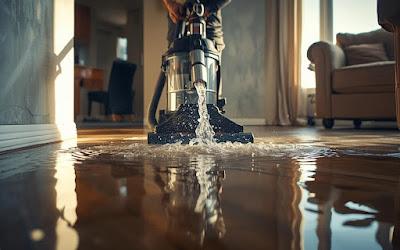
Water can move through a building faster than most people realize, and the desert climate around Mesa adds its own set of complications once storms pass and temperatures rise. A thoughtful, step-by-step approach to water damage restoration limits structural harm, curbs microbial growth, and helps spaces recover safely. The following guide outlines essential phases that homeowners and property managers can expect when addressing moisture intrusions of any size.
1) Immediate safety and source control
- Start by confirming that the area is safe to enter. Watch for electrical hazards, ceiling sag, slick floors, and compromised stairs.
- Shut off the water source if possible, and isolate affected areas to prevent tracking moisture into dry rooms.
2) Thorough assessment and moisture mapping
- A visual inspection only tells part of the story. Hygrometers, thermal imaging, and non-invasive meters help identify hidden moisture in walls, subfloors, and insulation.
- Mapping the wet footprint creates a baseline for progress checks and ensures drying efforts target every affected layer.
3) Strategic removal of standing water
- Rapid extraction reduces wicking into porous materials and shortens overall drying time.
- Prioritize low points, carpeted areas, and cavities where water can linger, such as under toe-kicks or behind baseboards.
4) Material triage and stabilization
- Not every material responds the same way to saturation. Drywall, MDF trim, and certain laminates may delaminate or crumble, while solid wood and tile assemblies often tolerate controlled drying.
- Remove unsalvageable items early to prevent secondary damage and to speed airflow across remaining surfaces.
5) Balanced drying with airflow, dehumidification, and temperature control
- Air movers, dehumidifiers, and gentle heat work together to push moisture from materials and capture it from the air.
- Balance is key: too much airflow without sufficient dehumidification can spread humidity and slow the process.
6) Containment and indoor air quality protection
- Plastic barriers and negative air help isolate wet zones, limiting cross-contamination.
- HEPA air filtration captures fine particles and supports cleaner air during demolition, cleaning, and drying.
7) Cleaning and antimicrobial measures
- After bulk water and debris are removed, detailed cleaning helps reset surfaces for safe occupancy.
- Use cleaning agents and practices appropriate for the material and the level of contamination, particularly if the water source was from beyond a supply line.
8) Documentation for stakeholders
- Photo logs, moisture readings, and drying records demonstrate that materials returned to acceptable moisture levels.
- Clear documentation supports property managers, residents, and insurers as they review the scope and timeline of restoration.
9) Collaboration for mold-safe outcomes
- Moisture left behind is the leading driver of recurring odor and visible growth. In humid post-storm periods, the risk rises further.
- For suspected or confirmed growth, collaborating with a [mold removal company mesa] supports safe containment, removal of affected materials, and clearance testing where indicated.
10) Reconstruction and materials selection
- Once dry standards are met, rebuild in a way that supports long-term resilience. Consider water-tolerant baseboards, raised door casings in known splash zones, and moisture-resistant drywall in appropriate areas.
- Reinstall flooring only after subfloors reach target moisture levels to avoid cupping, gapping, or adhesive failure.
11) Preventive maintenance and early-warning strategies
- Install leak detectors near water heaters, laundry hookups, and under sinks.
- Inspect supply lines, roof flashing, and exterior grading seasonally, especially before monsoon activity.
- Keep gutters and scuppers clear so heavy rains move away from the structure rather than into it.
12) Communication that reduces disruption
- Clear timelines, daily updates on drying progress, and access plans for occupied spaces help reduce stress for households and businesses.
- Coordinating quiet hours, staging areas, and protective floor coverings supports continuity of daily life while restoration proceeds.
Stable, documented drying and careful material management shorten the path to recovery and reduce the chance of surprises later. By taking a structured approach—assessing thoroughly, drying completely, and rebuilding with future risks in mind—property owners in Mesa can move from emergency response to long-term protection with confidence.
