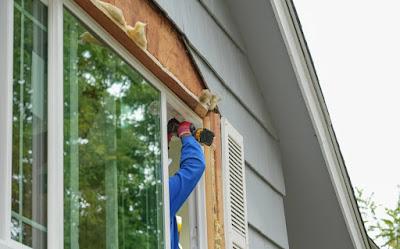
Coastal construction standards and evolving homeowner expectations are reshaping how builders, architects, and facility managers approach impact-resistant glazing from specification through final inspection.
1. Site Assessment, Risk Mapping, and Code Alignment
Every successful impact-resistant glazing project begins with a close read of local wind-borne debris maps, building exposure categories, and structural load paths. A thorough assessment accounts for orientation, surrounding structures, and potential wind tunnels. Early collaboration among the design team, contractor, and engineer helps align product approvals with jurisdictional code requirements and prevents costly change orders.
2. Product Selection, Compatibility, and Performance Detailing
Selecting the right assemblies involves evaluating compatibility among substrates, sealants, setting blocks, and fasteners. Aluminum frames with thermal breaks reduce heat transfer, while uPVC or fiberglass options offer corrosion resistance in salt-air environments. Laminated glass interlayers are chosen for impact performance, UV reduction, and acoustic comfort. Proper weep systems, backer rods, and corrosion-resistant fasteners contribute to long-term reliability.
3. Structural Openings, Substrate Preparation, and Anchoring
Even the best products can underperform if openings are not square, plumb, and properly reinforced. Substrate preparation includes verifying framing members, sheathing integrity, and solid backing for anchors. Proper shimming prevents frame distortion, while anchoring schedules follow engineering documents. A checklist approach—confirming dimensions, sill slope, and flashing compatibility—ensures a strong foundation before glazing.
4. Weatherproofing, Air Sealing, and Water Management
The glazing perimeter is the frontline defense against intrusive rain and pressure differentials. A layered approach with self-adhered flashing membranes, pan flashing, and compatible sealants creates reliable barriers. Air sealing strategies ensure continuity at the rough opening, while interior and exterior drainage pathways control condensation and preserve comfort.
5. Commissioning, Operation, and Lifecycle Stewardship
Commissioning confirms that installed assemblies meet performance intent and operate smoothly. This includes verifying alignment, lock engagement, and weatherstripping compression. Documenting maintenance schedules for cleaning tracks, inspecting seals, and checking hardware extends service life. Seasonal walkthroughs and proper occupant training help maintain benefits long after hurricane impact window installation is complete.
Building Resilience: Trends and Best Practices in the Impact Window and Door Industry
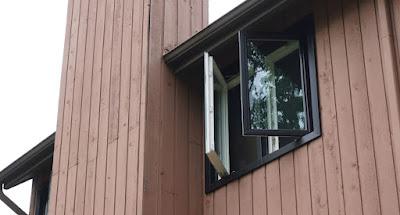
Resilient building practices in coastal and storm-prone regions increasingly center on high-performance glazing and door systems designed to protect people and property.
1. Material Advancements That Raise the Bar
Materials are the foundation of modern impact-rated systems. Laminated glass with robust interlayers prevents shattering under extreme conditions. Aluminum and reinforced vinyl frames balance rigidity, corrosion resistance, and thermal performance. Hardware advances such as multi-point locking and heavy-duty hinges strengthen integrity, while powder-coated finishes and stainless components mitigate salt-air corrosion.
2. Design and Testing That Prioritize Real-World Performance
Beyond materials, design details and rigorous testing validate real-world behavior. Engineered glazing profiles, reinforced corners, and continuous anchoring paths distribute loads effectively. Third-party laboratory testing for impact resistance and cyclic pressure simulates severe conditions. Documentation including shop drawings and test reports supports consistent, code-compliant outcomes.
3. Installation Practices That Make or Break Performance
Even top-tier products can underperform without disciplined installation. Substrate preparation, proper shimming, and correctly sized fasteners set the stage. Compatible sealants and threshold pan flashing manage moisture, while precise alignment of hinges and weatherstripping ensures smooth operation. Thorough final inspections confirm reveals, weeps, and latch engagement for reliable daily and storm performance.
4. Energy, Acoustics, and Daylighting as Co-Benefits
While impact protection is primary, modern assemblies deliver valuable secondary benefits. Low-emissivity coatings and warm-edge spacers improve thermal comfort and reduce HVAC demand. Laminated glass dampens exterior noise, and strategic glazing preserves daylight while limiting glare for enhanced occupant well-being.
5. Maintenance, Lifecycle Planning, and Future-Ready Choices
Long-term performance depends on routine care. Periodic inspections catch sealant wear or hardware issues early, and gentle cleaning preserves coatings. Preseason walkthroughs provide peace of mind. Selecting modular systems with accessible parts positions properties for future enhancements while extending overall service life.
