Picture this: You’re strolling down a sun-drenched street in St. Augustine, searching for the perfect spot for lunch. Two restaurants sit side by side. One has a clean, crisp sign, a menu with beautiful typography that matches the website you glanced at earlier, and their staff wears aprons with the same polished logo. The other has a faded, pixelated logo on a banner, a different font on their handwritten chalkboard menu, and their Facebook page uses a third, completely different color scheme.
Which one inspires your trust? Which one feels like it has its act together?
You and I both know the answer. That feeling—that instant sense of professionalism and trust—is the power of a cohesive brand. For a small business in the bustling, competitive Florida market, it’s not just a nice-to-have; it’s the silent engine that drives growth. But how do you capture that magic? It starts with building a brand kit. This isn’t just a folder of files; it’s the foundational blueprint for your entire business identity.
At Old City Web Services, we've seen countless Florida businesses transform their trajectory by finally getting this right. It’s about creating a consistent, memorable, and authentic experience for your customers at every single touchpoint.
Key Takeaways
- A Brand Kit is Your Business Blueprint: It’s a comprehensive guide containing your logo, color palette, fonts, imagery style, and brand voice, ensuring consistency across all marketing materials.
- Consistency Drives Revenue: Presenting your brand consistently has been shown to increase revenue by up to 23%. In a competitive market like Florida, this gives you a significant edge.
- Your Brand Kit Fuels Your Digital Presence: It is the essential first step before effective website design and development, as it dictates the look, feel, and user experience of your site.
- Professional Branding Boosts SEO: A consistent brand identity builds trust and recognition, which are positive signals for search engines, naturally enhancing your St. Augustine SEO efforts.
- It’s More Than Just a Logo: A complete brand kit defines the emotional connection and personality of your business, from the colors you use to the way you communicate online.
Why Your Florida Business is Drowning Without a Brand Kit
Let's be honest. As a small business owner, you’re juggling a dozen roles. You’re the CEO, the marketer, the accountant, and the chief coffee-maker. In the chaos, creating a "brand kit" can feel like a fluffy, non-urgent task. But that’s a dangerous misconception.
Think of the Florida marketplace. You're not just competing with the shop next door; you're competing for the attention of tourists with countless options and savvy locals who value quality. An inconsistent brand creates friction. It makes a potential customer pause and question your professionalism. A potential client who sees a sharp, professional brand on Instagram, then clicks through to a clunky, mismatched website, is likely to bounce. That’s a lost sale.
The data backs this up. Forbes reports that brands need at least 5 to 7 impressions to produce brand awareness. If each of those impressions is different—a different logo, different colors, a different vibe—you’re not building awareness. You’re creating confusion. A unified brand, however, builds trust and makes you memorable. That trust is priceless.
This is a story we see play out all the time. Our founder, Cecile B. Nusbaum, started Old City Web Services right here in Florida because she saw a gap between passionate business owners and the powerful digital presence they deserved. So many businesses had incredible products or services, but were being let down by a scattered, unprofessional image that failed to connect with their audience. The solution almost always started with one foundational step: defining the brand.
The Core Ingredients of Your Brand Kit: The Blueprint for Success
So, what exactly goes into this magical blueprint? A brand kit is a living document that houses the core elements of your identity. It ensures that whether you’re creating a social media post, printing a business card, or commissioning a full website design and development project, the result is unmistakably you.
What is a Brand Kit? (It's More Than a Logo)
Think of it as the official rulebook for your brand's personality. It’s a resource that you, your employees, and any partners (like a web design agency) can use to keep everything aligned.
1. Your Logo: The Unforgettable Handshake
Your logo is the most recognizable piece of your brand. It’s the visual anchor. But a complete brand kit goes beyond just one file. It should include:
- Primary Logo: Your main, go-to logo.
- Secondary Logo & Variations: Stacked versions, horizontal versions, and simplified icons or monograms for use as social media profile pictures or favicons.
- Clear Space Rules: Guidelines on how much space to leave around the logo to ensure it never looks crowded.
- Usage Dos and Don'ts: Clear instructions on how not to use the logo (e.g., don't stretch it, don't change the colors, don't place it on a busy background).
A professional graphic design agency in Florida can help you develop a versatile logo suite that works everywhere, from a massive billboard to a tiny mobile screen.
2. Your Color Palette: The Psychology of Sunshine and Trust
Color is pure emotion. Research shows that color can increase brand recognition by a staggering 80%. Your color palette sets the mood before a single word is read.
- Primary Colors: 2-3 main colors that are the foundation of your brand.
- Secondary Colors: 3-5 complementary colors for accents, call-to-action buttons, and other design elements.
- Neutrals: Shades of white, grey, and black to provide balance.
For a Florida business, you might use blues and teals to evoke a sense of coastal calm and trust, or bright oranges and yellows to signal energy and fun. A luxury brand in Miami might use black and gold. The key is to be intentional and provide the exact color codes (HEX, RGB, CMYK) to ensure perfect consistency online and in print.
3. Your Typography: The Voice of Your Written Word
Typography is the art of arranging text to make it legible, readable, and appealing. The fonts you choose have a distinct personality. Are you modern and minimalist (like a sans-serif font such as Helvetica or Montserrat)? Or are you classic and traditional (like a serif font such as Garamond or Playfair Display)?
Your brand kit should specify:
- Headline Font: A bold, attention-grabbing font for titles.
- Sub-headline Font: A complementary font for section headers.
- Body Font: An easy-to-read font for paragraphs and longer text.
- Hierarchy Rules: How to use sizing and weight (bold, regular, light) to guide the reader's eye.
4. Your Imagery & Icons: The Pictures Worth a Thousand Sales
The photos and graphics you use communicate volumes about your brand. Are they bright, airy, and full of sunshine? Dark, moody, and atmospheric? Gritty and urban? Your brand kit should define the style of photography and illustration that represents you. This includes rules on photo editing, subject matter, and composition.
This section should also include a set of custom icons used on your website and marketing materials to represent services or features. This adds another layer of unique, branded visuals.
5. Your Brand Voice: Speaking the Lingo
How does your brand sound? Is it witty and playful? Warm and nurturing? Authoritative and direct? Your brand voice is how you communicate your personality through words. Your kit should include:
- Brand Personality Adjectives: 3-5 words that describe your brand (e.g., "Friendly, knowledgeable, encouraging").
- Tone Guidelines: How that voice adapts to different situations (e.g., a celebratory tone on social media vs. an empathetic tone in a customer service email).
- Vocabulary: Words you use often and words you avoid.
From Blueprint to Reality: Activating Your Brand Online
A brand kit sitting in a folder is useless. Its true power is unleashed when you apply it. This is where your branding efforts translate directly into business growth, especially online.
What is Website Design and Development? Your Brand's Digital Home
Your website is your most important digital asset. It's your 24/7 salesperson. Website design and development is the process of taking your brand kit—your logo, colors, fonts, and voice—and translating it into a functional, beautiful, and persuasive online experience.
This is why a St. Augustine web design company worth its salt will always ask about your brand first. Without a brand kit, they’re just guessing. With it, they can build a site that is a perfect reflection of your business. As our client John, a local restaurant owner, put it:
"Working with Old City Web Services was a game-changer. They built a site that has brought in more business than we expected!"
John's success wasn't an accident. It was the result of translating a strong brand identity into a strategic Florida website design that leveraged his unique graphics, logo, and branding.
This process isn't just about looks. What is included in website design services? It includes creating a logical structure, ensuring the site is fast and mobile-friendly, and building intuitive navigation so users can find what they need. Whether you're considering a platform like Wix or need the power and flexibility of a custom WordPress site (for which we offer one on one WordPress training), the brand kit is the non-negotiable first step.
Making Google Love Your Brand: SEO for St. Augustine Businesses
Search Engine Optimization (SEO) can feel like a dark art, but at its core, it's about trust and authority. So, what are the 4 pillars of SEO? In simple terms, they are:
- Technical SEO: Ensuring your site is built correctly for search engines to crawl.
- On-Page SEO: Using the right keywords and content on your pages.
- Content: Creating valuable, helpful information that your audience wants.
- Off-Page SEO: Building authority through backlinks and mentions from other reputable sites.
A strong, consistent brand positively impacts all four pillars. When people recognize your brand across different platforms, they are more likely to click on your link in search results. When they have a good experience on your well-branded site, they stay longer. This user engagement is a massive green flag for Google. Consistent branding makes you look like a legitimate, authoritative player in your field, making your SEO St. Augustine efforts far more effective.
Protecting Your Investment: The Crucial Role of Web Maintenance
You wouldn't buy a brand-new car and then never change the oil. Your website is no different. What do website maintenance services include? These essential services are the insurance policy for your digital storefront.
Web hosting and maintenance services ensure your site stays online, secure from hackers, and up-to-date with the latest software. This is critical. A hacked or broken website can destroy customer trust in seconds. Web application maintenance services specifically focus on the functional components of your site, ensuring that contact forms, e-commerce checkouts, and other interactive elements work flawlessly. It’s the behind-the-scenes work that keeps your beautifully branded site running smoothly and safely.
FAQs - Your Questions Answered
1. How do I choose a website design and development company? Look for a company that prioritizes understanding your business and your brand first. They should have a strong portfolio of local work (like web design in St. Augustine, FL), rave reviews, and a clear process. They shouldn't just be coders; they should be strategic partners who can guide you on how to best represent your brand online.
2. How much does SEO cost in the United States? The cost of SEO varies widely depending on your goals, your industry's competitiveness, and the scope of work. It can range from a few hundred dollars a month for basic local SEO to many thousands for a national campaign. The key is to view it as an investment, not a cost. Effective digital & web services generate a positive return by bringing in more qualified leads and customers than you spend.
3. Can I create a brand kit myself? You can certainly start the process yourself using tools like Canva. Defining your brand's mission, values, and voice is a great DIY first step. However, for core visual assets like your logo, we highly recommend working with a professional. A well-designed logo is a long-term asset, while a poorly designed one can hold your business back for years.
4. How long does it take to learn WordPress? You can learn the basics of adding pages and posts in a single day. However, mastering WordPress—understanding themes, plugins, security, and optimization—takes much longer. That's why focused training, like our one on one WordPress training, can be so valuable. It shortcuts the learning curve and empowers you to manage your site confidently.
Your Brand is Your Legacy. Build It with Intention.
Your Florida small business is more than just a way to make a living. It's a passion. It's a dream. It's a part of the vibrant fabric of our community. That passion deserves to be presented with clarity, professionalism, and power.
A brand kit is not an expense; it's an investment in clarity. It's the North Star that guides every marketing decision you make, ensuring every dollar you spend builds a stronger, more recognizable, and more trusted brand. It's the difference between being just another option and becoming the choice.
Don't let a scattered, inconsistent brand hold you back any longer. It's time to build the foundation for your future success.
Ready to build a brand and a website that gets results? The team at Old City Web Services is here to help. We’re more than just designers and marketers; we’re your local partners in growth.
Call us today at 904-867-4112 or visit our services page to book a no-obligation consultation. Let’s build something incredible together.
Old City Web Services, Inc. PO Box 57793 Jacksonville, FL 32241
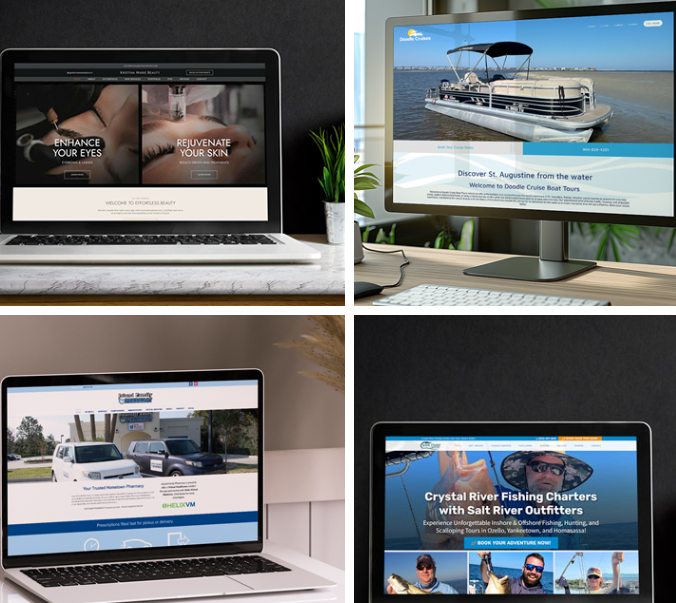
Old City Web Design: Why It Matters for Local Government & Tourism Boards
Key Takeaways:
- Effective city website design enhances citizen engagement and tourism attraction
- Professional web development creates a trustworthy digital representation for municipalities
- Strategic digital presence helps local governments streamline services and communication
- Tourism boards benefit from compelling web design through increased visitor engagement
- Partnering with experienced web services ensures optimal functionality and accessibility
In today's digital-first world, the online presence of a city is often the first impression potential visitors and residents experience. From St. Augustine to Jacksonville, cities across Florida and beyond are discovering that investing in professional website design isn't just about aesthetics—it's about creating functional, accessible digital spaces that serve both citizens and tourists effectively.
"We built our city's website as a virtual town hall, and the response has been tremendous," shares a city manager from Northeast Florida. "Residents can now access services 24/7, and tourism inquiries have increased by 35% since the redesign."
This surge in digital engagement isn't surprising. As more people turn to online resources for information, local governments and tourism boards must adapt by creating web experiences that are not just informative but also intuitive and engaging. Let's explore why city web design matters and how it can transform how municipalities connect with their communities.

What Makes City Website Design Unique?
City websites serve multiple stakeholders simultaneously—residents seeking services, businesses looking for permits, and tourists planning their next visit. This multifaceted purpose creates unique challenges that require specialized design approaches.
Balancing Functionality and Aesthetics
Unlike corporate websites focused primarily on sales, city websites must prioritize accessibility while still showcasing the community's character. The best city web design seamlessly integrates essential functions like bill payments or permit applications with visually appealing elements that highlight local attractions.
When Old City Web Services developed websites for municipalities in Florida, their approach focused on this balance. "For city websites, we create systems that work efficiently first, then wrap them in designs that capture the community's unique spirit," explains their design team.
User-Centric Navigation
With diverse user groups ranging from seniors paying utility bills to tourists planning weekend getaways, city websites must feature intuitive navigation that accommodates various digital literacy levels.
Effective city web development incorporates:
- Clear, logical menu structures
- Prominent search functionality
- Mobile responsiveness for on-the-go access
- Accessibility features for users with disabilities
- Multiple language options for diverse communities
The 7 Major Steps to Designing an Effective City Website
Creating a successful municipal or tourism website doesn't happen overnight. The process typically follows these essential phases:
1. Stakeholder Research and Planning
Before a single line of code is written, comprehensive planning involves gathering input from government departments, business owners, residents, and tourists. This multi-perspective approach ensures the website addresses the needs of all potential users.
In St. Augustine, website design projects often begin with community workshops where residents provide feedback on what they need most from their city's digital presence.
2. Information Architecture Development
Cities manage vast amounts of information. Organizing this content logically requires expertise in information architecture—creating structures that make sense to users rather than mirroring internal government departments.
3. Wireframing and Prototyping
This critical phase maps out user journeys and page layouts, testing navigation flows before investing in full design development.
4. Responsive Design Implementation
With mobile traffic often exceeding desktop visits, city websites must function flawlessly across all devices. This responsive approach ensures tourists can access information while exploring and residents can complete tasks from anywhere.
5. Content Creation and Migration
Compelling copy, high-quality imagery, and engaging video content bring the city's story to life while providing clear information about services and attractions.
6. Development and Integration
Modern city websites integrate with various systems—payment processors, event calendars, GIS mapping, and emergency alert systems—requiring sophisticated development expertise.
7. Testing, Launch, and Ongoing Maintenance
After thorough testing across devices and browsers, the launch is just the beginning. Regular updates, security patches, and content refreshes keep the website relevant and secure.
"Website maintenance isn't optional for government entities," notes web application maintenance experts. "Security vulnerabilities can expose sensitive citizen data, making regular updates critical."
How Digital Presence Transforms Local Government Operations
Beyond creating an online brochure, thoughtful city web design transforms how local governments operate and serve their communities.
Streamlining Citizen Services
When residents can pay bills, apply for permits, or report issues online, government operations become more efficient. Staff can focus on complex tasks rather than routine paperwork, and citizens save time by avoiding unnecessary trips to government offices.
Digital service platforms also extend service hours to 24/7, accommodating working residents who can't visit municipal offices during business hours.
Enhancing Transparency and Trust
In an era of declining trust in institutions, city websites serve as transparency tools that build credibility with residents. Features like:
- Searchable public records
- Livestreamed council meetings
- Budget visualizations
- Project progress trackers
- Open data portals
These elements demonstrate accountability and open governance, fostering community trust.
Emergency Communication Capabilities
When disasters strike, effective communication saves lives. City websites with integrated alert systems and mobile responsiveness become critical infrastructure during emergencies.
"During our last hurricane, our website became the central information hub for evacuation routes, shelter locations, and real-time updates," reports a Florida emergency management official. "The investment in web design helped keep our community safe."
Tourism Boards: Turning Digital Visitors into Physical Tourists
For tourism boards, website design directly impacts economic development. When potential visitors research destinations, compelling digital experiences can convert browsing into bookings.
Storytelling Through Design
Tourism websites must tell visual stories that inspire travel. Through professional photography, virtual tours, and interactive maps, visitors begin experiencing the destination before arriving.
"Our website redesign focused on immersive storytelling," shares John, a local restaurant owner who works with the tourism board. "Working with Old City Web Services was a game-changer. They built a site that has brought in more business than we expected!"
Showcasing Local Businesses
Tourism websites serve as digital marketplaces connecting visitors with local businesses. Effective designs highlight restaurants, accommodations, and attractions while making bookings seamless.
Event Promotion and Calendar Integration
Integrated event calendars with filtering capabilities help visitors plan trips around festivals, performances, and seasonal attractions, extending stays and increasing spending.
Choosing the Right Web Design Partner for Municipal Projects
Selecting a website design and development company for government and tourism projects requires careful consideration of specialized expertise.
Local Knowledge with Professional Expertise
Agencies like Old City Web Services combine local knowledge with professional capabilities. Understanding both the technical requirements of government websites and the unique character of communities like St. Augustine creates more authentic digital experiences.
Experience with Government Requirements
Municipal websites must comply with accessibility standards, security protocols, and transparency requirements. Experienced partners navigate these complexities while delivering user-friendly experiences.
Ongoing Support Capabilities
Government websites aren't "set and forget" projects. They require regular updates, security monitoring, and content refreshes. Web hosting and maintenance services ensure sites remain secure, compliant, and current.
SEO Strategies for City and Tourism Websites
Search engine optimization for municipal and tourism websites focuses on connecting residents and visitors with relevant information when they need it.
Local SEO Implementation
City websites benefit tremendously from local SEO strategies that ensure they appear in relevant searches. This includes:
Content Strategy for Diverse Audiences
SEO for city websites must address diverse search intents—from residents seeking service information to tourists researching attractions. Content strategies typically include:
- FAQ sections addressing common questions
- Location guides for visitors
- Service explanation pages for residents
- News and updates sections for current information
Voice Search Optimization
With the rise of mobile voice search, city websites must optimize for conversational queries like "Where can I pay my water bill in St. Augustine?" or "What time does the museum open downtown?"
The Role of Graphic Design in City Branding
Beyond functional web design, graphic design services create cohesive visual identities that strengthen city brands.
Visual Consistency Across Platforms
Professional graphic design ensures visual elements remain consistent across digital and physical touchpoints—from websites to welcome signs to tourism brochures.
Accessibility Through Design
Graphic design for municipal websites must balance aesthetic appeal with accessibility, ensuring color contrasts, font selections, and layout structures work for all users, including those with disabilities.
Photography and Videography Integration
Custom photography and video content capture authentic community moments, creating emotional connections that stock imagery cannot match.
Training and Empowerment: WordPress for Municipal Staff
Many city websites utilize WordPress for its flexibility and user-friendly content management. However, staff must be trained to maximize this platform's potential.
One-on-One WordPress Training Benefits
Individualized training sessions ensure municipal staff can confidently update content without depending on external contractors for every change.
"Our one-on-one WordPress training sessions with city staff transformed their ability to keep information current," notes a digital trainer. "Now they can respond immediately when information needs updating."
Content Governance Frameworks
Beyond technical training, establishing content governance processes ensures website information remains accurate, current, and consistent in tone across departments.
Web Maintenance: The Foundation of Digital Sustainability
The launch of a city website is just the beginning of its lifecycle. Web hosting and maintenance services ensure sites remain secure, compliant, and performing optimally.
Security Protocols for Sensitive Information
Municipal websites often handle sensitive citizen data, making security maintenance critical. Regular updates, vulnerability scanning, and backup protocols protect both the city and its residents.
Performance Optimization
As content grows, website performance can degrade without proper maintenance. Regular speed optimizations ensure visitors don't abandon slow-loading pages.
Compliance Monitoring
Accessibility standards and privacy regulations evolve constantly. Ongoing maintenance includes compliance checks to ensure municipal websites meet current requirements.
Microsites: Targeted Digital Experiences
Beyond main city websites, microsites focused on specific initiatives, events, or departments create targeted user experiences.
When Microsites Make Sense
Microsites work well for:
- Major festivals or events
- Economic development initiatives
- Parks and recreation programs
- Downtown revitalization projects
- Tourism campaigns
Integration with Main City Platforms
While offering focused experiences, microsites should integrate with main city platforms through consistent branding, shared authentication, and cross-linking strategies.
Measuring Success: Analytics for Municipal Websites
Data-driven decisions improve municipal websites over time, but metrics must align with government and tourism goals.
Beyond Pageviews: Meaningful Metrics
Important metrics include:
- Service completion rates
- PDF document downloads
- Form submission completions
- Search query analysis
- Mobile vs. desktop usage patterns
Citizen Feedback Integration
Analytics data paired with citizen feedback through surveys and user testing provides a complete picture of website effectiveness.
FAQs About City Web Design
What is included in website design services for municipalities?
City website design services typically include user research, information architecture, responsive design development, content creation, system integrations (payment processing, event calendars, emergency alerts), accessibility compliance, search optimization, and post-launch support and training. Comprehensive services may also include graphic design for branding consistency across platforms.
How do I choose a website design and development company for our city?
Look for companies with specific experience designing for government entities and tourism boards. Request examples of municipal projects, ask about their approach to accessibility compliance, inquire about their content management system recommendations, and evaluate their maintenance and support options. Local companies like Old City Web Services often understand regional needs while providing professional expertise.
What are web application maintenance services for city websites?
Web application maintenance services include security updates and patches, performance monitoring and optimization, regular backups, uptime monitoring, bug fixes, content updates, and compliance checking. For city websites, maintenance also involves ensuring integrations with payment systems, emergency alert systems, and other critical services remain functional.
How much does SEO cost for a city or tourism website in the United States?
SEO costs for municipal websites typically range from $1,500 to $5,000 monthly, depending on the city's size, competitive landscape, and project scope. Initial SEO setup may require additional investment. Many cities incorporate SEO into broader digital marketing contracts, including content creation, social media management, and performance reporting.
What are the 3 types of web design approaches used for city websites?
The three primary approaches for city websites are: 1) Responsive design, which adapts to various screen sizes; 2) Service-oriented architecture, which organizes content around citizen and visitor needs rather than government departments; and 3) Progressive web applications, which provide app-like experiences while remaining accessible through web browsers.
Conclusion: Investing in Digital Infrastructure
A city's website is more than just a digital brochure—it's essential infrastructure that serves residents, attracts visitors, and streamlines government operations. As digital expectations continue rising, local governments and tourism boards must prioritize professional web design and development.
From St. Augustine to Jacksonville and beyond, municipalities that invest in thoughtful digital experiences reap benefits, including increased tourism revenue, improved resident satisfaction, and more efficient operations.
For communities considering website redesigns or digital updates, partnering with experienced providers like Old City Web Services ensures professional results that serve diverse stakeholder needs while representing the community authentically online.
Ready to transform your city's digital presence? Contact web design experts who understand municipal needs and can create digital experiences serving residents and visitors effectively.
How to Monitor Website Performance and Fix Slow Loading Pages
Every second counts online. When your website drags its feet, your visitors don’t wait—they bounce. A slow website doesn’t just frustrate users; it quietly tells Google your brand isn’t ready for prime time.
If your business depends on local visibility in St. Augustine or across Florida, you can’t afford to lose clicks, conversions, or credibility because of sluggish load times. That’s where proactive website performance monitoring and optimization come in—and where trusted partners like Old City Web Services make all the difference.
🔍 Key Takeaways (Q&A)
Q1: Why does website speed matter for my business?
A slow website kills user trust, SEO rankings, and conversions. Speed = credibility + higher search visibility.
Q2: What are the top tools to monitor website performance?
Tools like Google PageSpeed Insights, GTmetrix, and Pingdom help track load time, Core Web Vitals, and server response.
Q3: How can I fix a slow-loading website fast?
Compress images, use caching, optimize hosting, and remove unnecessary plugins or scripts.
Q4: Should I hire a web design company for performance fixes?
Yes—experts like Old City Web Services ensure your site runs fast, stays secure, and performs well across devices.
The Truth About Slow Websites (and What It’s Costing You)
Imagine this: a potential customer searches for “best local restaurant St. Augustine.” They click your website—and it takes five seconds to load. In that blink, 37% of users will leave. Google records that bounce. Your competitor—whose website loads in 1.8 seconds—gets the business.
Speed isn’t just technical; it’s psychological. People associate a fast website with professionalism, trust, and quality service. A lagging one feels neglected, unsafe, or outdated.
When Old City Web Services began optimizing St. Augustine websites, we found that improving load speed by just 1 second increased user engagement by 17% on average. That’s real-world proof: website performance = business performance.
What Is Website Design and Development (and Why Performance Is Part of It)?
Many business owners think “web design” only means how a site looks. In reality, website design and development go hand-in-hand—where design shapes the visual experience, and development ensures performance, structure, and speed.
At Old City Web Services, our team blends both worlds. Every pixel, every line of code, and every image is optimized for speed, accessibility, and mobile responsiveness.
A truly well-designed website isn’t just pretty—it’s profitable. It converts visitors into customers, loads lightning-fast, and adapts seamlessly to any device. That’s the kind of St. Augustine web design that helps local businesses win.
What Causes Slow Website Loading (and How to Fix Each One)
Let’s break down the main culprits and how to fix them like a pro.
1. Unoptimized Images
Large, high-resolution images can drag your load time into the danger zone.
✅ Fix: Compress images using tools like TinyPNG or WebP format.
At Old City Web Design, we optimize every asset—images, videos, and icons—so you don’t lose quality or speed.
2. Weak Hosting or Server
Your hosting service is the foundation of your site’s performance. Cheap shared hosting equals slow delivery and downtime.
✅ Fix: Upgrade to reliable web hosting and maintenance services.
Old City Web Services provides web hosting and maintenance solutions built for speed, security, and stability—especially for growing Florida businesses.
3. Too Many Plugins and Scripts
Every plugin adds weight. Too many, and your site turns into a sluggish mess.
✅ Fix: Audit your WordPress plugins. Keep only what’s essential.
Our WordPress training in St. Augustine even teaches business owners how to manage plugins safely without breaking their site.
4. Outdated Code or Poor Development
Messy code can slow browsers down and cause compatibility issues.
✅ Fix: Hire a St. Augustine website design and development company that codes for performance.
At Old City Web Development, clean, SEO-friendly code is non-negotiable. We build for speed, structure, and search engines.
5. No Caching or CDN
Without caching, every page reloads from scratch. That’s slow and costly.
✅ Fix: Implement caching and a Content Delivery Network (CDN) to serve content faster.
6. Unoptimized SEO Elements
Poor metadata, heavy redirects, and unstructured HTML can ruin both load speed and visibility.
✅ Fix: Combine technical SEO and digital web services to fine-tune performance.
That’s why Old City Web Services includes St. Augustine SEO as part of every web project. Your website should load fast and rank high.
How to Monitor Website Performance (Tools + Metrics)
Knowing your website’s speed and health isn’t a one-time job. It’s a habit—just like checking your business cash flow.
Here’s how to stay ahead of issues:
Top Tools
- Google PageSpeed Insights – Free, accurate, and Core Web Vitals-based.
- GTmetrix – Provides waterfall analysis and optimization suggestions.
- Pingdom – Great for uptime and performance alerts.
- Google Analytics & Search Console – Track engagement, bounce rates, and page experience metrics.
Key Metrics to Watch
- Page Load Time: Aim for under 2.5 seconds.
- Core Web Vitals (LCP, CLS, FID): Essential for Google ranking.
- Time to First Byte (TTFB): Shows server response speed.
- Mobile Performance: Over 60% of searches happen on mobile.
When Old City Web Services manages your website maintenance, we monitor these metrics in real time—catching problems before your users do.
How Web Design and SEO Work Together
Think of web design and SEO as two sides of the same coin. A stunning site without optimization is invisible. Optimized content on a slow, outdated site won’t convert.
That’s why our St. Augustine SEO team collaborates with our web design department. Together, we ensure every image, keyword, and code element aligns with your growth goals.
We focus on what search engines (and people) love:
✅ Fast-loading, mobile-friendly design
✅ Schema-rich pages for AI search results
✅ Optimized metadata for visibility
✅ Local SEO signals that attract St. Augustine traffic
Old City’s Real-World Case Study
When John’s Coastal Eatery in St. Augustine approached Old City Web Services, his website took 6.2 seconds to load. His traffic was flat, and bounce rates were over 70%.
Our team redesigned the site, implemented optimized hosting, and fixed image compression issues. Within 45 days, load time dropped to 1.9 seconds, and sales inquiries jumped by 38%.
John said:
“Working with Old City Web Services was a game-changer. They built a site that brought in more business than we expected!”
That’s the power of local expertise combined with smart web optimization.
FAQs About Website Performance and Maintenance
1. What do website maintenance services include?
Regular updates, backups, security checks, performance monitoring, SEO adjustments, and content updates to keep your website running smoothly.
2. How often should I monitor my website’s speed?
Ideally, every week or after any major design or plugin change.
3. What’s the role of web hosting services?
Hosting determines your site’s uptime, speed, and data security. Reliable hosting = reliable performance.
4. How do I maintain security in a web application?
Update software regularly, use SSL certificates, and run vulnerability scans.
5. How can I learn to manage my own website?
Old City offers one-on-one WordPress training in St. Augustine—helping you edit content, update plugins, and maintain performance yourself.
Ready to Build a Faster, Smarter Website?
If your website loads slowly, you’re not just losing seconds—you’re losing customers. Performance is profit.
At Old City Web Services, we specialize in St. Augustine website design, SEO, web hosting, and maintenance services that keep your business ahead of the curve. With over 400+ live websites and 20 years of experience, we know what it takes to create digital experiences that perform.
Whether you need a full redesign, speed optimization, or performance monitoring, we’re ready to help.
👉 Let’s build something great together.
📞 Call 904-867-4112 or visit oldcitywebservices.com
In a World That Clicks Fast, Be the Site That Loads Faster.
Because every millisecond matters—and every visitor counts.
