|
Twin Falls Business Round Up | |||||
|
Notable Places to Find and Pick Around Twin Falls, ID 83301
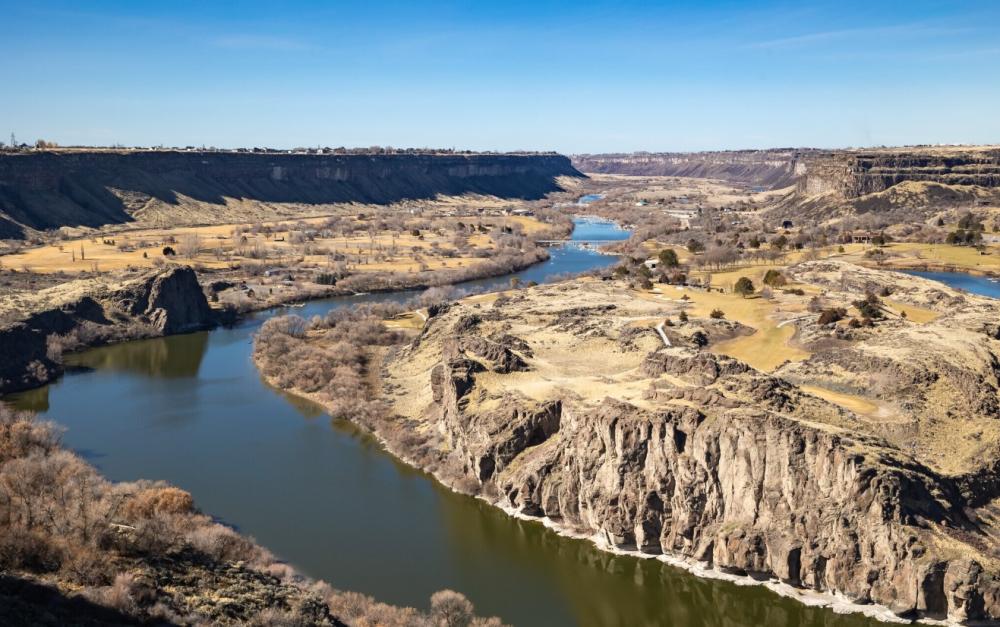
Gateway to Canyon and Waterfall Country Twin Falls, ID 83301 sits at the lip of the Snake River Canyon, where basalt cliffs and emerald waters shape a dramatic landscape. The area blends high-desert vistas with volcanic geology, irrigated farmland, and a downtown that nods to its pioneer roots. Around town and just beyond the rim, visitors encounter waterfalls, suspension spans, and quiet footpaths that invite slow exploration. The following guide navigates a sampling of standout locales—natural, historic, and cultural—ideal for crafting an itinerary rich in texture and variety. Waterfalls, Canyons, and the Allure of the Rim Shoshone Falls commands attention with its broad curtain of water dropping into the Snake River below. In spring and early summer, the roar reverberates along the canyon walls, though the setting retains its grandeur in quieter months. The overlook yields panoramic views, while nearby paths provide shifting angles of light and spray. A short drive away, the Perrine Bridge arches across the canyon in a sleek steel curve. From designated viewpoints along the rim, it frames the river’s jade ribbon and the tiered geology beneath. Early mornings often bring a tranquil glow over the basalt, and sunset renders the cliffs in warm, ruddy tones. Centennial Waterfront Park anchors the lower canyon basin—launch point for paddlecraft, starting line for canyon-bottom hikes, and a prime place to watch the shadows climb as day fades. Dierkes Lake, perched nearby in a lava bowl, offers a contrasting experience: placid water, birdlife sheltering in reeds, and boulder-studded trails that trace volcanic textures underfoot. - Shoshone Falls Park Hidden Corners and Short Detours Rock Creek Canyon Park tucks beneath town in a green corridor where cottonwoods rustle and clear water threads between lava banks. Its paths suit an unhurried stroll, with stonework remnants hinting at earlier settlement. On the outskirts, Orton Botanical Garden presents a living archive of xeric and cold-hardy plants. The garden’s beds demonstrate how native and adapted species thrive in the local climate—sagebrush companions, spiky yuccas, and oddball succulents forming resilient mosaics. Visit in shoulder seasons for quieter paths and nuanced light, when seedheads and bark textures come alive. A farther loop to Balanced Rock rewards with a marvel of erosion poised above the sagebrush. The approach road winds past farm fields that shimmer in irrigation, then lifts into a pocket canyon where wind and water carved the freestanding pillar. The overlook radiates solitude, offering a contemplative pause as hawks ride thermals overhead. Riverside Escapes and Spring-Fed Wonders Downstream toward Hagerman, the Thousand Springs Scenic Byway reveals water seeping straight from canyon walls, forming cascades that look otherworldly against black rock. Ritter Island nestles in the current, a pastoral enclave with riparian trails and photogenic bridges. Box Canyon Springs unfurls like a surprise—turquoise water emerging from the earth and sliding through a basalt cleft to the river. These sites illustrate the region’s hydrology, where underground aquifers surge to daylight and enrich the desert rim with sudden greenery. When planning a day trip, pair a canyon overlook in Twin Falls with a spring-fed stop near Hagerman. The contrast—from sweeping brink to intimate side canyon—builds a fuller portrait of the Snake River Plain’s character. Cultural Threads and Echoes of the Past Historic Downtown Twin Falls lines up brick storefronts, vintage signs, and small galleries that reanimate the city’s early-century spirit. In the evening, aromas from cafes mingle with the faint scent of irrigated fields drifting in from the plateau. Window displays switch with the seasons, and murals add fresh color to alleyways. A walk here frames the human side of a landscape so often defined by its cliffs and water. For a broader historical arc, the Minidoka National Historic Site northeast of town preserves a sobering chapter of wartime incarceration. The interpretive exhibits invite thoughtful reflection on civil liberties, identity, and resilience. The surrounding farmland and quiet roads heighten the site’s contemplative tone, underscoring how open skies can hold complicated memories. Underground Mystique and Lava-Land Learning North along the highway, the Shoshone Ice Caves provide an unusual detour into the region’s volcanic past. Within a cooled lava tube, ice persists through hot summers, a paradox shaped by geologic architecture and air flow. The surrounding terrain—pocked with cinder, ringed by low sage and rabbitbrush—speaks to eruptions that once stitched this plain together. Pair the cave visit with roadside stops to inspect ropey lava textures and wildflower patches that reclaim the rock in spring. Practical Pairings and Seasonal Rhythm The area’s rhythm shifts with the calendar. Spring brings pulsing waterfalls and bright greens along the river. Summer opens calm mornings on Dierkes Lake and shaded strolls in Rock Creek Canyon. Autumn paints the canyon rim with tawny grasses and crisp air, ideal for long, quiet viewpoints along the Snake. Winter hushes the landscape and reveals clean lines—bridge, cliff, river—etched against pale skies. Consider stitching together a day with deliberate contrasts. Begin atop the Perrine Bridge overlook, descend to Centennial Waterfront Park for a canyon-bottom vantage, then head to Orton Botanical Garden to study hardy flora. Afterward, drive west for the improbable balance of stone near Castleford, or turn east for breezy walks along the rim at sunset. Close with a downtown wander, where the glow of streetlights reflects a community rooted in the land that surrounds it. Each of these places, from roaring falls to whispering springs, from brick-lined avenues to ice-bound caverns, lends a distinct facet to Twin Falls, ID 83301. Together, they reveal a landscape that is both rugged and refined—an interplay of water, rock, and human endeavor that rewards curiosity at every bend in the road. Notable Places to Discover Near Twin Falls, ID 83301
Canyon Vistas and Engineering Marvels Centennial Waterfront Park sits poised at the base of the canyon. Steep walls elevate the sense of seclusion, as if the city were switched to a distant murmur. Launch points lead to paddle-ready waters that thread past shaded alcoves. The park’s green spaces serve as staging grounds for picnics and impromptu photography sessions when the canyon winds settle, creating mirror-still reflections along the river’s edge. Waterfalls, Springs, and Quiet Shores Thousand Springs State Park unfurls in segments along the river corridor, where cold, aquifer-fed cascades tumble straight from canyon walls. Ritter Island, an island oasis within the park, provides a pastoral tableaux of meadows, historic structures, and spring-fed channels. The play of sunlight on emerald currents makes it a serene spot for patient observers—look closely and the details multiply: swallows stitching the air, riparian grasses quivering, shadows drifting over pebbled beds. Trails, Parks, and Hidden Grottos When summer heat presses, Orton Botanical Garden becomes a refuge of desert-adapted plants that thrive with austere elegance. Spiky silhouettes, delicate blooms, and a curated layout reveal a lexicon of resilience. Spend unhurried time to notice textures—ribbed cactus flanks, tufted grasses, silvery leaves engineered for scant rainfall. The lesson is subtle yet profound: aridity breeds its own opulent design. History, Culture, and Curiosities A short drive widens the circle of discovery. The Twin Falls County Historical Museum in Filer curates agricultural implements, household heirlooms, and regional ephemera that reveal how ingenuity shaped daily life. In Jerome, the county museum and preserved sites testify to settlement patterns, irrigation feats, and the tenacity required to coax abundance from the high desert. These quieter venues reward patient attention; exhibits unfold a story that is more mosaic than monologue. Day Trips Worth the Drive Unmissable Picks for a First or Return Visit Seasonal Nuance and Practical Rhythm Food and Rest Stops with Local Flavor A Thoughtful Way to Explore | ||||
 |