Introduction
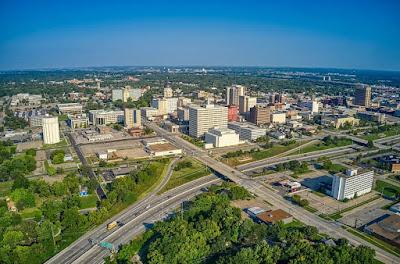
Southwest Topeka blends prairie tranquility with a vivid civic narrative. In and around 66614, trails thread through woodlands, museums animate history, and gardens unfurl in chromatic splendor. The following guide highlights distinctive places to explore, pairing reflective stops with lively excursions. Expect a fusion of heritage, ecology, and architecture that rewards both swift visits and unhurried wanderings.
Historic Pillars and Living Memory
Anchored downtown, the Kansas State Capitol stands as a masterwork of stone and story. Ascend for mural vistas, and let the building’s rotunda whisper episodes of statehood, railroads, and reform. Not far away, the Brown v. Board of Education National Historical Park inhabits Monroe Elementary, transforming a former schoolhouse into a resonant chronicle of constitutional change. The Great Overland Station, a restored Union Pacific depot, extends the narrative with exhibits on rail travel, migration, and the pulse of industry that once defined the city’s riverfront. Each site invites contemplation—and connects personal journeys with the broader American arc.
Riverbanks, Trails, and Open-Air Calm
Kaw River State Park, adjacent to MacLennan Park, offers switchback trails shaded by cottonwoods and oaks, with bluff-top lookouts over the Kansas River’s mutable channels. The Shunga Trail, a paved greenway, threads east–west across town, linking neighborhoods to playgrounds, skate parks, and public art. For quiet birding, Iliff Commons rolls across native grasses and woodland pockets, where meadowlarks trade songs at dawn. These corridors cultivate a mindful cadence; movement is easy, observations come quickly, and the scenery shifts from riparian to prairie within minutes.
Gardens, Lakes, and Leisure
Lake Shawnee forms a luminous crescent on the city’s southeast side. Its shoreline paths and boat launches sustain a relaxed rhythm, while Ted Ensley Gardens frame seasonal blooms with lakeside pergolas and stonework overlooks. Gage Park adds a historical counterpoint: the Topeka Zoo and Conservation Center, a miniature train, and rose gardens—an ensemble that has charmed generations. Nearby, the Kansas Children’s Discovery Center encourages hands-on inquiry, giving families an inventive pause between outdoor forays.
Aviation, Innovation, and Industrious Spirit
Topeka’s airfield heritage lives vividly at the Combat Air Museum, where restored aircraft and engines reveal engineering ingenuity and the human stories behind the hardware. The Evel Knievel Museum showcases design, daring, and spectacle, from precision-tuned bikes to immersive exhibits tracing audacious jumps. Together, these venues emphasize the city’s undercurrent of craft—how mechanics, materials, and imagination collide to make machines that fly, leap, and astonish.
University, Arts, and Neighborhood Texture
On the Washburn University campus, the Mulvane Art Museum curates rotating exhibitions spanning regional to contemporary works, while landmarks across the quad showcase collegiate architecture and quiet green courts. In North Topeka, the NOTO Arts District mixes studios, galleries, and vivid murals with convivial streetscapes. The Historic Jayhawk Theatre and Topeka Performing Arts Center enrich evenings with concerts, film nights, and stage productions, anchoring a downtown stroll where late light gilds brick facades and marquee lights hum.
Architectural Residences and Scenic Reserves
Cedar Crest, the Governor’s Residence, presides over river bluffs, its grounds melding manicured lawns with native habitats. Old Prairie Town at Ward-Meade and its Botanical Garden re-create 19th-century streetscapes, from a one-room schoolhouse to a mercantile façade, complemented by winding paths among heirloom plantings. For a wilder vantage, Burnett’s Mound elevates the skyline; step onto its overlook as prairie winds move through big bluestem and the city arranges itself in measured distance.
Selected Sites Near 66614
- Kansas State Capitol
- Brown v. Board of Education National Historical Park
- Great Overland Station
- Kaw River State Park and MacLennan Park
- Shunga Trail
- Iliff Commons
- Lake Shawnee and Ted Ensley Gardens
- Gage Park and Topeka Zoo and Conservation Center
- Kansas Children’s Discovery Center
- Combat Air Museum
- Evel Knievel Museum
- Washburn University and Mulvane Art Museum
- NOTO Arts District
- Historic Jayhawk Theatre
- Topeka Performing Arts Center
- Cedar Crest
- Old Prairie Town at Ward-Meade
- Burnett’s Mound
- Dornwood Park
- Garfield Park
Seasonal Moments and Practical Itineraries
Spring magnifies the gardens; azaleas and tulips frame water views, while migrating waterfowl skim across coves at dawn. Summer suits evening rides along the Shunga Trail, when cicadas drone and public art casts elongated shadows. Autumn paints the river corridor with ochre and russet, ideal for high overlooks at Burnett’s Mound or quiet loops at Iliff Commons. Winter invites museum days—aviation, art, and civic history—followed by a curtain rise at a downtown venue. Pair adjacent stops for seamless days: art at Mulvane with a mural walk in NOTO; Lake Shawnee’s gardens with a family afternoon at the Discovery Center; the Capitol’s rotunda with an evening performance under a historic marquee.
Conclusion
Around Topeka, KS 66614, heritage and habitat coexist with ease. Grand civic monuments complement river trails and neighborhood greens. Museums celebrate audacity and craft, while gardens temper the day with fragrance and color. Move deliberately or meander. Either way, the city’s layered places deliver a gratifying sequence of insight, scenery, and simple delight.
Cultural Landmarks and Outdoor Escapes near Topeka, KS 66614
Introduction
Anchored on the rolling prairie at the edge of the Flint Hills, Topeka reveals layers of culture, civic legacy, and outdoor refuge. Neighborhoods weave into greenways. Historic corridors flow into modern galleries. Within a short drive of SW 22nd Park, the city’s narrative unfolds in museums, gardens, and riverfront parks.
The Statehouse and Civic Memory
A visit to the Kansas State Capitol sets the tone. The copper-domed edifice, completed in the early 20th century, showcases hand-hewn limestone, Beaux-Arts grandeur, and an interior rotunda crowned by a mural cycle depicting regional history. Visitors ascend the dome’s narrow iron stairs for a horizon-spanning panorama—grain elevators, church spires, and the serpentine Kaw. On the grounds, bronze statuary and interpretive plaques trace territorial conflicts, agricultural evolution, and the artistry of regional sculptors. Seasonal lawn performances and civic gatherings activate the plaza, giving the Capitol a living, communal pulse.
Monroe School and the Ongoing Promise
At Brown v. Board of Education National Historical Park, the former Monroe Elementary School anchors a story that resounded across the nation. Classrooms transformed into immersive galleries illuminate the human side of constitutional change. Oral histories, courtroom ephemera, and neighborhood maps reveal the courage of families who sought equitable schooling. Outside, the quiet of the schoolyard underscores the resonance of the decision. Walking the nearby streets, historic homes and modest churches offer context, reminding visitors that landmark rulings arise from everyday lives.
Gravity and Grit at the Evel Knievel Museum
The Evel Knievel Museum, adjacent to historic Harley-Davidson facilities, celebrates audacity and meticulous engineering. Exhibits pair sequined leathers and star-spangled helmets with schematics, ramp math, and wind-tunnel insights. A dimensional simulator lets guests feel the throttle and trajectory of a stadium jump. Beyond spectacle, the museum probes design discipline—welds, suspension geometry, and the iterative tinkering that made improbable flights possible. It’s a study in risk, resilience, and American showmanship.
A District Reimagined: NOTO Arts & Entertainment
North Topeka’s warehouse blocks have reawakened as the NOTO Arts & Entertainment District. Brick facades frame studios, indie galleries, and performance nooks. Murals bloom across alley walls, amplifying regional voices. On market days, artisans set out ceramics, letterpress prints, and forged steelwork. Evening brings buskers and small-venue sets. The district rewards meandering; a side door might reveal a resident printmaker at work, while a reclaimed rail spur leads to a pop-up sculpture yard. The former industrial grid hums again—this time with creativity.
Shoreline Serenity at Ted Ensley Gardens
Skirting Lake Shawnee, Ted Ensley Gardens delivers horticultural theater across terraced beds, arbors, and meandering paths. Spring introduces tulip drifts and crabapple bloom. Summer trades petals for texture—ornamental grasses, pollinator borders, and shaded hosta glens. Pergolas frame water vistas, while stone footbridges cross trickling rills. Photographers favor golden hour, when the lake shimmers and herons patrol the shallows. Benches tucked among conifers invite unhurried contemplation, an amenity as restorative as it is picturesque.
Flightlines and Living History at the Combat Air Museum
On the edge of Forbes Field, the Combat Air Museum houses aircraft spanning decades—trainers, reconnaissance planes, and imposing transports. Restorations unfold in open hangars, where volunteers rivet, sand, and document airframes with archival diligence. Placards connect models to missions and crews, grounding technology in biography. The runway’s ambient chorus—rollouts, landings, a distant prop hum—adds atmosphere. Aviation buffs linger at nose art and cockpit layouts, but the museum’s most poignant moments arrive in veterans’ recollections, gathered and preserved onsite.
Wild Encounters and Play in Gage Park
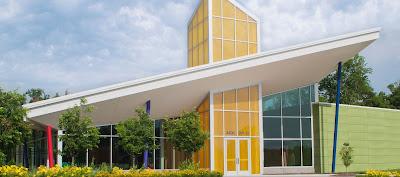
Gage Park stitches together playgrounds, rail rides, rose gardens, and the Topeka Zoo & Conservation Center. Families drift from big-cat habitats to a prairie dog town, then board the miniature train for a circuit of lawns and groves. The adjacent Kansas Children’s Discovery Center turns curiosity kinetic with STEM exhibits, an outdoor tinkering yard, and inclusive play spaces. On weekends, picnickers spread quilts under towering oaks while youth leagues crisscross open fields. The park’s mosaic of attractions makes lingering easy.
Additional Noteworthy Locales
- Old Prairie Town at Ward-Meade: Heritage structures, a working blacksmith shop, and heirloom gardens evoke 19th-century lifeways along the river corridor.
- Kaw River State Park: Singletrack trails traverse riparian woods and bluffs, offering birding and winter bald eagle sightings.
- Great Overland Station: A restored depot where railroad exhibits, grand arches, and river views converge.
- Dornwood Park: Wooded ravines, quiet meadow loops, and a chorus of creekside songbirds minutes from neighborhood streets.
- Truckhenge: Eccentric, upcycled installations in a rural fringe setting—a folk-art anthology in open air.
- Cedar Crest Trails: Rolling woodland paths surrounding the Governor’s Residence, with overlooks toward the city’s undulating canopy.
- Charles Curtis House Museum: The preserved home of a U.S. Vice President, illuminating blended heritage and early Topeka society.
- Shunga Trail: A paved greenway threading parks, schools, and neighborhoods—a convenient artery for cycling and jogs.
- Iliff Commons: Grassland rambles where native prairie breathes, dotted with wildflowers and occasional deer at dusk.
- Mulvane Art Museum at Washburn University: Rotating exhibitions, regional collections, and sculpture punctuating a collegiate quad.
Conclusion
From the stately dome to lakeside gardens, from airborne history to alley murals, the city around Topeka, KS 66614 rewards curiosity. Each site invites a different tempo—quiet reflection, hands-on learning, or an amble beneath shade trees. Taken together, these places form a cohesive itinerary that honors heritage while embracing renewal.
