The Evolving Landscape of Tile for Homes and Businesses
Tile remains a standout finish for floors, walls, and wet areas due to its durability, design flexibility, and long-term value. As homeowners and facility managers balance aesthetics with performance, the tile industry continues to innovate across materials, installation methods, and maintenance strategies. From large-format porcelain to artisan-crafted mosaics, today’s options make it easier to create spaces that are both beautiful and built to last.
Material Innovations Driving Performance
Porcelain has raised the bar with dense, low-absorption bodies that excel in high-traffic and moisture-prone environments. Advances in digital glazing and through-body color help these tiles mimic natural stone, wood, and concrete with convincing realism and enhanced scratch resistance. Ceramic remains a go-to for walls and low-impact surfaces thanks to its lighter weight and broad palette. Natural stone still commands attention for its organic variation, provided it is sealed and maintained correctly. Meanwhile, recycled content tiles and responsibly sourced clays reflect a growing emphasis on sustainable production.
Design Trends That Balance Style and Function
Large-format tiles reduce grout lines for a sleek, minimalist look that visually expands rooms. Rectified edges allow for tighter joints and crisper alignments, elevating modern spaces. Patterned encaustic looks and terrazzo-inspired surfaces bring personality to baths, kitchens, and entryways. Textured finishes provide traction underfoot, an important safety feature in showers and pool surrounds. Color is returning, too—muted greens, earthy neutrals, and deep blues that pair well with natural woods and matte metals.
Installation Best Practices Every Project Should Follow
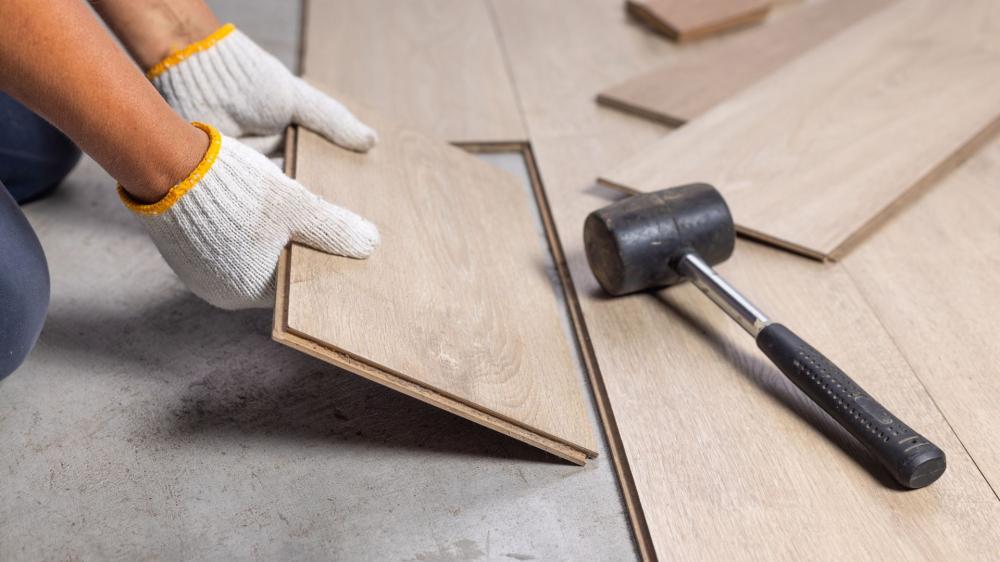
Quality installation is essential to long-term performance. Proper substrate prep, layout planning, and material selection can prevent failures such as lippage, cracking, and moisture intrusion. The following best practices help ensure lasting results:
1. Evaluate and prepare the substrate to be flat, clean, and properly supported before any tile is set.
2. Choose the correct mortar, grout, and waterproofing systems based on tile type, size, and location.
3. Use appropriate trowel sizes and back-buttering techniques for full mortar coverage, especially with large-format panels.
4. Incorporate movement joints per industry guidelines to accommodate expansion and contraction.
5. Verify proper slope-to-drain in wet areas and use waterproof membranes to protect underlying structures.
6. Plan layout carefully, dry-lay complex patterns, and align grout joints for visual harmony.
7. Allow recommended cure times before grouting and opening areas to traffic for full bond strength.
Sustainability, Health, and Indoor Air Quality
Tile is an inherently durable surface that supports long life cycles and reduced replacement frequency. Many products are fired at high temperatures and contain no added volatile organic compounds, contributing to low-odor installations and healthy interiors. When paired with cementitious or low-VOC grout and proper sealers for porous materials, tile assemblies can help maintain cleaner surfaces in kitchens, baths, and entryways. Thoughtful selection—such as opting for recycled content or regionally sourced materials where available—further reduces environmental impact over time.
Maintenance Strategies for Long-Term Beauty
Routine cleaning with pH-neutral products preserves finishes without compromising grout or sealers. For porcelain and glazed ceramic, regular sweeping and damp mopping are typically sufficient. Natural stone benefits from periodic resealing to guard against staining and etching, while textured tiles may require soft-bristle brushes to lift embedded soil. Grout maintenance is equally important: choose stain-resistant formulations where appropriate and address minor issues early to prevent larger repairs. Protective measures—like mats at entryways and felt pads under furniture—help minimize abrasion and preserve luster.
Planning Your Next Tile Project
Successful tile projects start with clear goals: performance expectations, design intent, and maintenance preferences. Establish a realistic timeline, confirm product lead times, and coordinate trades to avoid scheduling conflicts. Request product samples, verify color lots, and review technical data sheets to ensure compatibility across all components. With a thoughtful plan and proven installation practices, tile can transform interiors and exteriors alike, delivering elevated design, reliable durability, and enduring value.
Tile Trends and Best Practices Shaping Modern Spaces
Materials Driving Design and Performance
Tile has moved far beyond basic ceramic to encompass porcelain, natural stone, glass, and composite materials engineered for durability. Porcelain remains a favorite for its dense body and low water absorption, making it suitable for high-traffic floors and wet areas. Natural stone delivers one-of-a-kind character through unique veining and textures. Glass accent tiles bring light play to backsplashes and shower niches. Composite options, including sintered surfaces, offer consistent finishes that stand up to stains and heat. The right material choice balances function, aesthetics, and long-term maintenance.
Formats, Finishes, and Patterns
Large-format tiles create a sleek, continuous look with fewer grout lines, a win for both style and easier upkeep. Matte finishes are gaining ground for their slip resistance and subtle elegance, while polished options still shine in formal spaces. Patterned layouts like herringbone, chevron, and basketweave add movement and depth, whether used across an entire floor or as a feature wall. For cohesive design, pair bold patterns with neutral grout and keep surrounding finishes understated to let the tile take center stage.
Installation Fundamentals That Matter
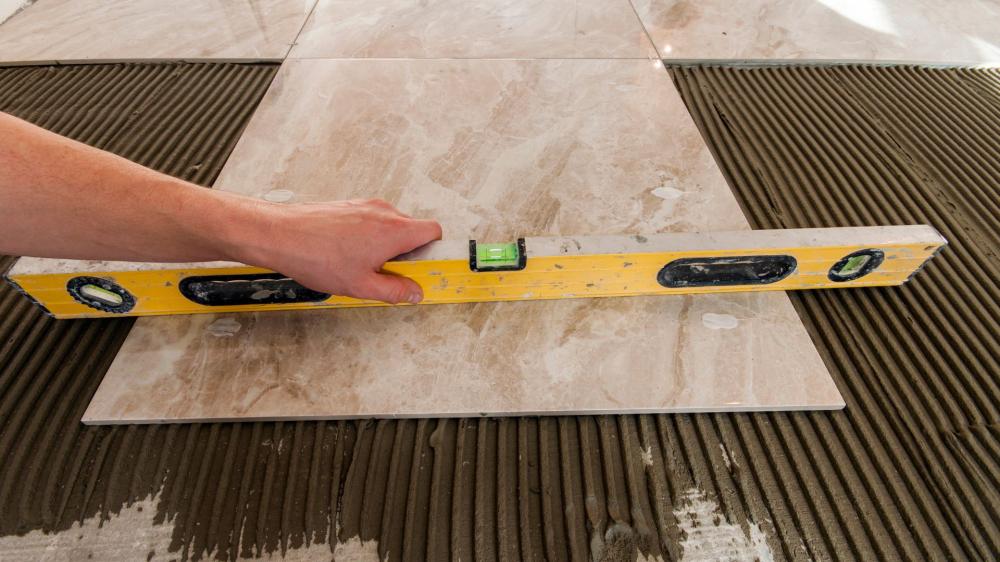
Even the best tile can underperform if installation is overlooked. Surface preparation is essential: substrates must be clean, flat, and properly supported. Movement joints prevent stress cracks, especially in larger spaces or areas with temperature swings. Mortar selection should match the tile type and size; large-format tiles often benefit from a medium-bed or appropriate full-coverage setting approach. Grout choice affects longevity and care—sanded, unsanded, or advanced formulations each have their place. Sealing requirements vary by material, so verify whether the tile or grout needs protection to resist stains and moisture.
Care, Maintenance, and Longevity
With thoughtful care, tile maintains its beauty for years. Sweep or vacuum regularly to remove abrasive grit that can wear down finishes. Neutral-pH cleaners are generally safe for most materials; avoid harsh acids on natural stone. Reseal stone surfaces and select grouts as directed by the manufacturer to preserve water resistance and color. Address minor issues—like a cracked tile or failing grout—promptly to prevent water intrusion and larger repairs. In wet zones, good ventilation reduces mold risk and helps grout lines stay bright.
Practical Tips for Planning a Tile Project
A well-planned project aligns vision, budget, and performance. Before purchasing, request samples to evaluate color, texture, and sheen under actual lighting. Confirm slip resistance ratings for baths and entries, and consider radiant heat compatibility for comfort in colder rooms. Order a contingency amount to account for cuts and future repairs, ensuring batch consistency. When laying out patterns, dry-fit key areas to visualize transitions and balance cuts along walls or focal points.
Key Considerations for Successful Tile Outcomes
1. Define goals early: Clarify traffic levels, moisture exposure, and desired look to guide material and finish choices.
2. Verify substrate readiness: Ensure flatness, structural integrity, and appropriate underlayment before setting tile.
3. Match setting materials: Select mortar and grout suited to tile type, size, and joint width for lasting adhesion.
4. Plan expansion and movement: Incorporate joints to accommodate thermal and structural shifts, reducing crack risk.
5. Prioritize drainage and slope: In showers and patios, correct pitch prevents pooling and protects assemblies.
6. Protect with sealing as needed: Apply and maintain sealers on applicable tiles and grouts to resist stains and moisture.
7. Maintain with care: Use neutral cleaners, soft tools, and regular inspections to extend surface life and appearance.
Closing Thought: Design with Confidence
From material selection to maintenance, tile offers a fusion of durability and design flexibility that few surfaces can match. By focusing on proper preparation, thoughtful layout, and ongoing care, spaces gain lasting value and style—whether you’re refreshing a compact bath or crafting a statement kitchen that stands the test of time.
