|
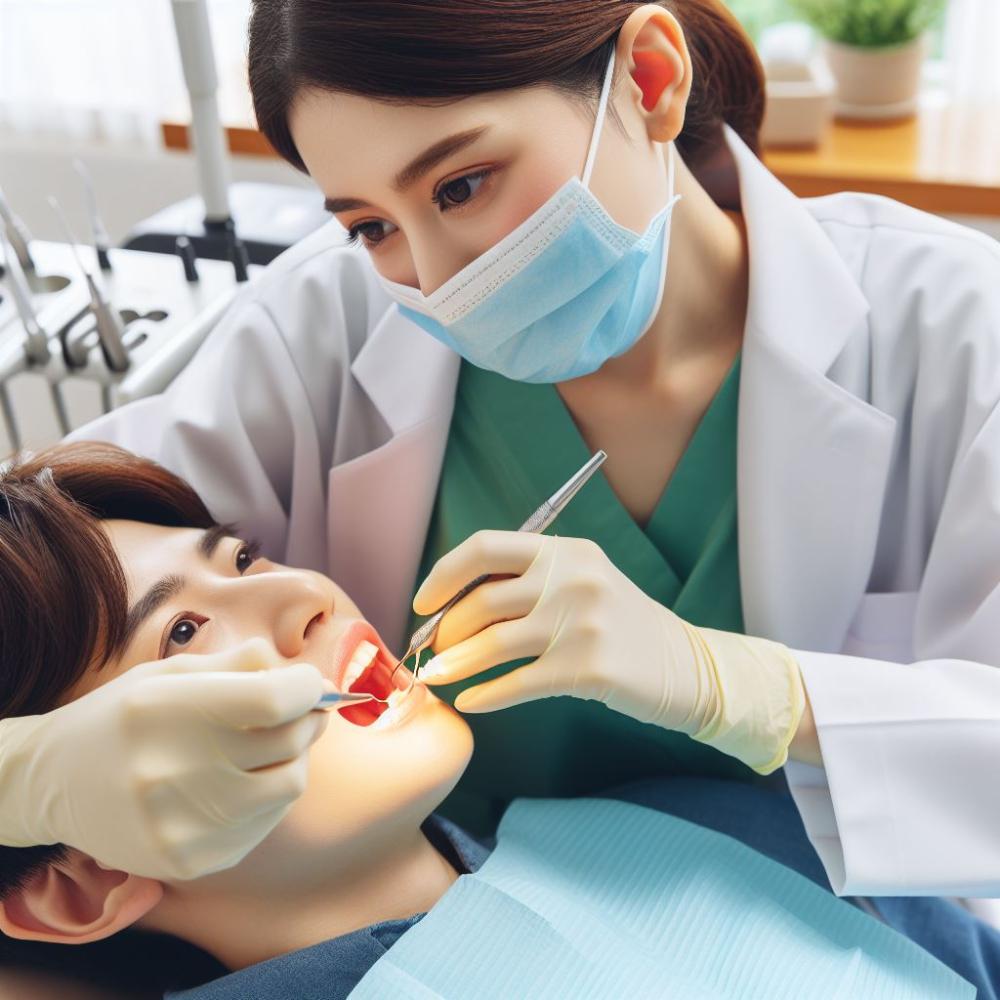
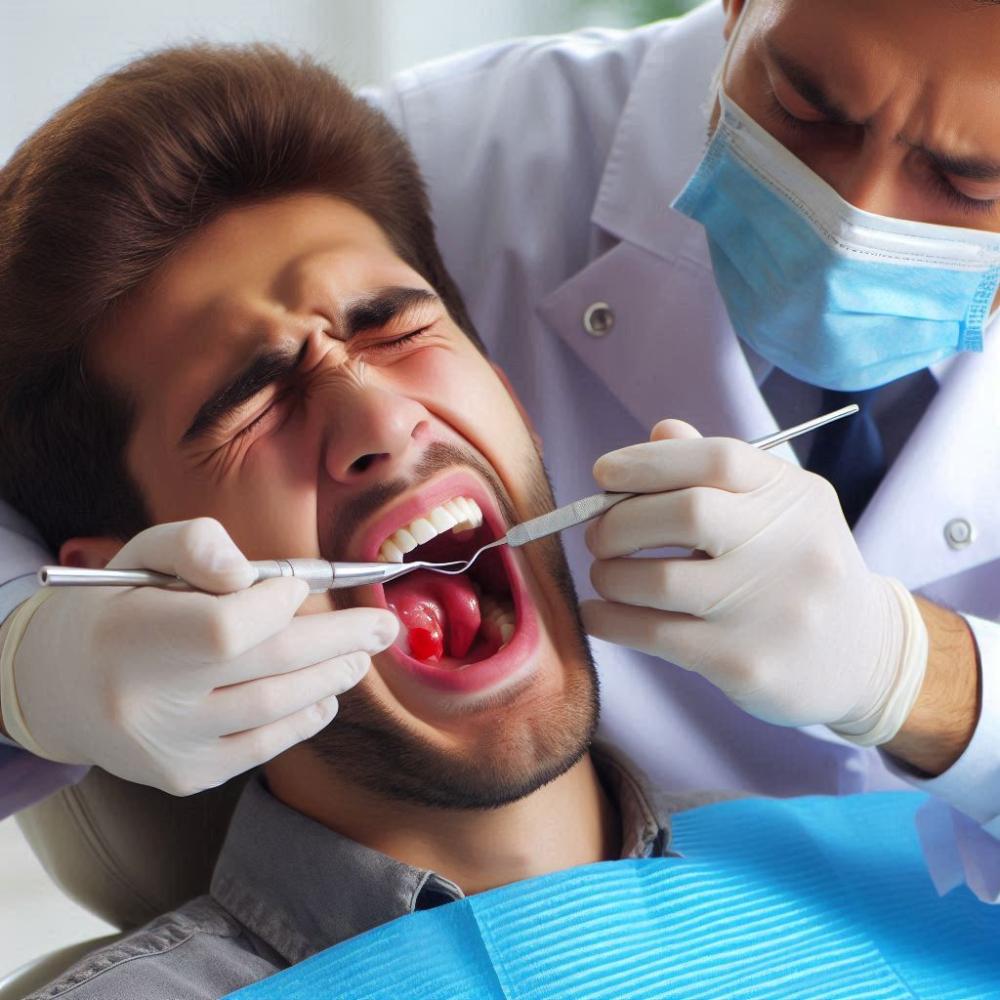
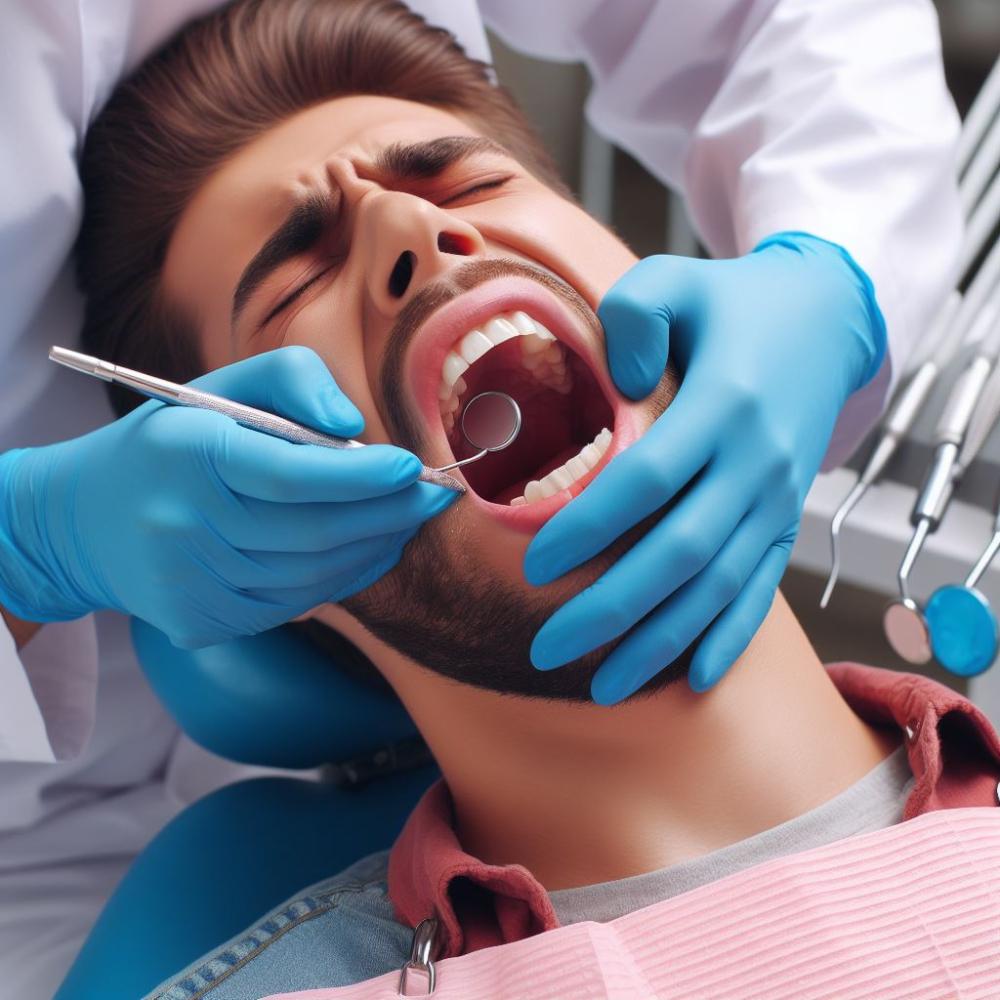
Emergency Dentistry Care in PeoriaEmergency Dentistry for Immediate Dental Needs Peoria dentist services include emergency dentistry, which addresses urgent dental issues requiring prompt attention. Dental emergencies can occur unexpectedly, such as severe toothaches, broken or chipped teeth, knocked-out teeth, or sudden gum pain. Immediate care helps relieve discomfort, prevent further complications, and protect overall oral health. Emergency dentistry focuses on both addressing the problem quickly and ensuring long-term oral function and appearance.
Recognizing a Dental Emergency Not every dental problem requires immediate attention, but certain signs indicate the need for urgent care. Severe pain, swelling, bleeding, or trauma to the mouth are clear indicators. A Peoria dentist can evaluate the situation, determine the best treatment, and take necessary steps to stabilize the condition. Acting quickly during dental emergencies reduces the risk of permanent damage and preserves teeth and gums. Common Emergency Procedures Emergency dentistry may involve various treatments depending on the situation. Severe toothaches may require fillings, root canal therapy, or extractions. Broken or chipped teeth often need crowns or bonding to restore function and aesthetics. Tooth injuries, such as dislodged or knocked-out teeth, require immediate evaluation to improve the chances of successful reattachment. Dental professionals prioritize patient comfort while providing effective solutions that address immediate needs and prevent future complications. Pain Management and Comfort Managing pain is a critical aspect of emergency dentistry. Dentists use anesthesia, topical treatments, and other methods to ensure that patients are as comfortable as possible during urgent procedures. A calm and supportive environment helps reduce anxiety, especially for children or patients experiencing significant discomfort. By combining professional care with compassionate attention, emergency dental visits become more manageable and less stressful for patients. Preventing Future Emergencies While emergencies are often unavoidable, regular preventive care reduces the likelihood of urgent issues. Routine check-ups, cleanings, and early interventions for cavities or gum problems can prevent severe pain or complications that lead to emergencies. Patients who engage in preventive care benefit from a comprehensive approach that addresses both daily oral health and potential risks. A Peoria dentist often educates patients on avoiding common causes of dental emergencies, such as trauma, decay, or untreated infections. Family-Oriented Emergency Care Family dentistry and emergency services often overlap, providing support for patients of all ages. Children, adults, and older adults may experience urgent dental needs, and having access to prompt care ensures that all family members receive timely attention. Pediatric patients, in particular, benefit from professionals who understand the unique requirements of young teeth and developing smiles. Coordinated emergency care supports ongoing oral health for every family member. Technology in Emergency Dentistry Modern tools, such as digital imaging and intraoral cameras, assist dentists in diagnosing and treating dental emergencies quickly and accurately. Technology enables better visualization of the problem and helps determine the appropriate course of action. Using advanced tools, a Peoria dentist can efficiently assess injuries, plan interventions, and monitor recovery. This integration of technology improves outcomes and provides patients with peace of mind during urgent situations. Long-Term Benefits of Emergency Care Prompt attention to dental emergencies preserves oral health and prevents more extensive procedures later. Timely care helps maintain the natural function of teeth, prevents infections, and supports overall well-being. Patients who respond quickly to emergencies experience less pain and fewer complications, making ongoing dental care more effective and manageable. Member Spotlight
How Cosmetic Dentistry Helps Peoria Residents Feel More Confident About Their SmilesA smile is often one of the first things people notice. When someone feels uncomfortable about stains, uneven teeth, or small imperfections, it can affect confidence in everyday conversations. In Peoria, many patients explore cosmetic dental care through a trusted Peoria dentist to improve the look of their smile while still supporting oral health. Cosmetic dentistry is not only about appearance. It often encourages better hygiene habits and helps patients feel more motivated to care for their teeth.Cosmetic services have become more natural-looking and accessible over time. Many treatments are designed to blend with the patient’s existing teeth, creating results that feel realistic and supportive. Understanding these options can help Peoria residents make choices that match their goals and comfort level.
Cosmetic dentistry continues to grow as more people seek natural improvements that fit their lifestyle. Peoria residents value options that support both appearance and long-term oral health. Toward the end of a patient’s cosmetic journey, many find that working with a trusted Peoria dentist helps them feel more confident, comfortable, and motivated to care for their smile. Member Spotlight
How Stress Can Affect Your Teeth and Overall Oral HealthUnderstanding the Hidden Link Between Stress and Oral Health Stress is commonly associated with emotional or mental strain, but it can also influence physical health in many ways. Oral health is one area where the effects of stress often appear gradually. During discussions about daily habits and oral care, people sometimes learn from a dentist Peoria AZ that stress related behaviors can quietly affect the condition of teeth and gums. These effects may develop slowly and may not be immediately obvious. When the body experiences ongoing stress, it may respond in ways that influence oral health. Some people clench their teeth when feeling anxious or overwhelmed. Others may neglect regular routines such as brushing or maintaining healthy eating habits. These changes may seem small, but over time they can place additional pressure on teeth and gums.
Recognizing the connection between emotional wellbeing and oral health can help individuals become more mindful of their daily habits. Awareness encourages people to take small steps that protect their teeth even during stressful periods. Teeth Clenching and Its Impact on Oral Health One of the most common stress related habits is clenching the teeth. This behavior often happens without a person realizing it. Many individuals clench their teeth while concentrating, feeling anxious, or even during sleep. Repeated pressure from clenching can gradually wear down tooth surfaces. Teeth are designed to handle the forces of chewing food, but continuous pressure caused by clenching may create additional strain. Over time, this pressure can lead to sensitivity or discomfort in the jaw area. Some people also experience headaches or tightness around the jaw muscles. When clenching occurs frequently, it may also affect how teeth come together during normal biting. This can create uneven wear patterns that slowly affect the shape of the teeth. Becoming aware of this habit is often the first step in reducing its impact on oral health. How Stress Can Influence Daily Oral Care Habits Stressful periods sometimes disrupt everyday routines. When people feel overwhelmed, they may rush through activities that normally receive careful attention. Oral hygiene routines can be affected in these situations. Brushing and flossing might become shorter or less consistent when individuals feel busy or distracted. Skipping regular care habits allows plaque to remain on teeth for longer periods. Plaque contains bacteria that produce acids capable of weakening enamel. Over time, these acids may contribute to changes in tooth strength and gum health. Stress may also influence food choices. Many people turn to sugary snacks or drinks during stressful moments because these foods offer temporary comfort. However, frequent consumption of sugary items increases the chance of acid production in the mouth. This combination of habits may gradually affect oral health if it continues over long periods. The Role of Relaxation and Self Awareness Managing stress can benefit oral health as well as overall wellbeing. Relaxation techniques such as breathing exercises or regular physical activity may help reduce tension that leads to teeth clenching. Becoming aware of jaw tension during the day allows individuals to relax their muscles before pressure builds. Maintaining structured daily routines also supports better oral care habits. Even during busy schedules, setting aside time for consistent brushing and flossing helps protect teeth from bacterial buildup. These routines act as a protective barrier against the effects of stress. Developing awareness about how stress influences behavior can encourage healthier choices. When individuals recognize the connection between emotional health and oral care, they often become more mindful of their habits. Long Term Benefits of Managing Stress for Oral Health Reducing stress related habits can help protect teeth from unnecessary strain. When people become more aware of clenching or grinding behaviors, they can begin to relax their jaw muscles and reduce pressure on their teeth. Over time, this awareness helps maintain the natural structure of teeth. Maintaining balanced routines also encourages healthier eating patterns and consistent oral hygiene. These habits support stronger enamel and healthier gums. When individuals care for both their mental wellbeing and their oral health, they create a more balanced lifestyle. Long term oral health often depends on the combination of good habits and emotional balance. Recognizing the influence of stress helps people take proactive steps to protect their smile and maintain comfort in their daily lives. Member Spotlight Emotional wellbeing and oral health are more connected than many people realize. Stress can influence habits such as teeth clenching, irregular eating patterns, and inconsistent oral hygiene routines. Over time these behaviors may affect the strength of teeth and the condition of gums. Awareness about these connections helps individuals make healthier choices and maintain consistent care habits. Conversations about oral health often include discussions about preventive care, family dentistry awareness, and cosmetic dentistry knowledge. People also learn about treatments such as cleanings, fillings, dental crowns, dental implants, bridges, dental veneers, dentures, teeth whitening, extractions, and root canals when they explore oral health topics. Emergency dentistry awareness can further highlight the importance of protecting teeth from unnecessary strain. Guidance and education provided by a dentist Peoria AZ can help individuals better understand how daily habits influence their oral health. When people maintain balanced routines, manage stress effectively, and stay informed about oral care practices, they support healthier teeth and long term oral wellbeing. | |||||
 |