Smarter Heat Pump Install Pathways for Modern HVAC
Why Heat Pumps Are Setting the Pace
Heat pumps move heat rather than generating it, offering a streamlined approach to comfort for a variety of building types. In cooling mode, they transfer indoor heat outside; in heating mode, they move outdoor heat indoors. This transfer-based method emphasizes efficiency and steady performance, particularly in well‑insulated spaces that reduce temperature swings.
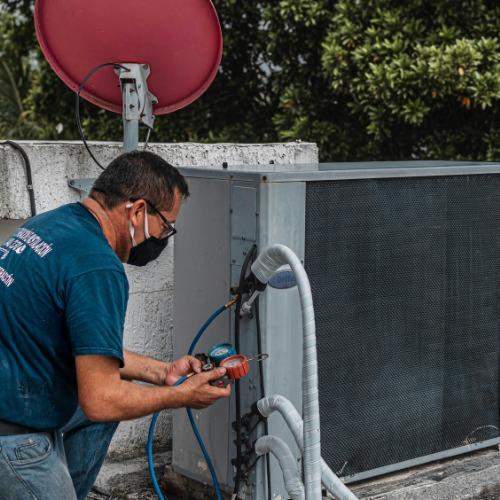
The industry is leaning into compatibility across climates, with variable-speed technology smoothing out demand peaks that once challenged traditional systems. The result is fewer abrupt temperature shifts, quieter operation, and year‑round flexibility. As consumer expectations for comfort evolve, heat pumps continue to stand out for their balance of precision and efficiency.
Selecting the Right Configuration
A thoughtful selection process matches the heat pump type to the building layout and comfort priorities. Central configurations integrate with existing ductwork to distribute conditioned air evenly, supporting multiple rooms without added wall units.
In homes or offices where ducts are limited or absent, room‑based options can serve open living areas, home offices, or specialized zones without major renovations. Hybrid arrangements can also blend components to suit transitional spaces and architectural constraints. The unifying principle is fit: the chosen setup should align with insulation quality, sun exposure, occupancy patterns, and the building’s existing airflow pathways to deliver consistent temperatures from season to season.
Key Considerations Before Adopting Heat Pumps
A clear plan up front helps ensure smoother outcomes and better comfort. Consider the following elements before moving ahead:
-
Load and Sizing: Room volume, window placement, and insulation quality shape the capacity needed for steady, balanced temperatures.
-
Distribution: Evaluate ducts or room‑based airflow to keep each area supplied without excessive pressure drops or sharp drafts.
-
Location: Outdoor units benefit from unobstructed airflow and proper clearance, while indoor components need access that supports future service.
-
Controls: Smart thermostats and zoning strategies can refine comfort, reduce cycling, and tailor schedules to daily routines.
-
Acoustics: Thoughtful placement and vibration isolation help maintain quiet operation in living spaces and offices.
By mapping these elements, decision‑makers build a system profile that maximizes comfort and equipment longevity.
Comfort Tuning With Controls and Zoning
Controls have become the nerve center of modern HVAC. Smart thermostats learn occupancy patterns and adjust temperatures gently, avoiding the abrupt on‑off cycles that cause discomfort and waste energy.
Zoning can compartmentalize areas—such as living rooms, bedrooms, or meeting spaces—so each zone receives the right amount of conditioning at the right time. This fine‑tuning reduces unnecessary runtime while improving perceived comfort. In multi‑story buildings, strategic zoning can resolve longstanding hot‑and‑cold spots. When paired with variable-speed components, controls and zoning coordinate to maintain even conditions with minimal noise and fewer wide swings in indoor temperature.
Designing for Airflow and Indoor Quality
Effective airflow is fundamental to comfort, and small details add up. Supply and return pathways should be balanced to reduce stale corners and mitigate drafts. Clean filtration supports a healthier indoor environment while helping keep coils and fans operating as intended.
In mixed‑use buildings, thoughtful diffuser placement prevents cool air from lingering near floors during summer and avoids warm air stratification in winter. Sealing unintended gaps—around attic hatches, rim joists, or wall penetrations—helps preserve the conditioned temperature. This approach reduces strain on components and sustains stable comfort without continuous, manual adjustments.
Seasonal Readiness and Long‑Term Care
Seasonal transitions are excellent opportunities to confirm settings, inspect outdoor clearances, and verify that airflow remains consistent in every room. Gentle cleaning of accessible components and timely filter changes support smoother operation.
Listening for new vibrations or rattles can prompt early attention before minor issues grow into larger problems. Over time, maintaining clear drainage paths and confirming that thermostat schedules remain aligned with daily routines helps preserve the steady comfort that well‑planned systems provide. The overarching goal is stability: predictable temperatures, quiet cycles, and thoughtful adjustments as your needs evolve.
Member Spotlight
Sumrall Air Conditioning
7064 Patillo Road, Beaumont, TX, 77705
(409) 527-9048
https://www.sumrallac.com/
In Beaumont and surrounding communities, homeowners and businesses turn to Sumrall Air Conditioning for dependable HVAC solutions centered on comfort, dependability, and efficiency. When planning system upgrades, heat pump installation is often a top consideration for achieving consistent indoor temperatures across changing seasons. Sumrall Air Conditioning provides careful guidance that aligns equipment choices with property size, insulation levels, and usage patterns. From helping select appropriate capacities to coordinating clean, orderly project timelines, the team focuses on clarity at each step. Count on thoughtful recommendations that support quieter operation, balanced airflow, and energy-smart performance tailored to your space.
