|
Proactive HVAC Strategies for Gulf Coast Comfort and Reliability
Prioritize Seasonal Maintenance to Prevent Breakdowns
Routine, seasonal service is the foundation of performance and longevity. Spring tune-ups prepare cooling equipment for peak loads, while fall checks get heating components ready for cooler snaps and shoulder months. A thorough visit typically includes coil cleaning, airflow verification, refrigerant charge assessment, electrical inspection, and thermostat calibration.
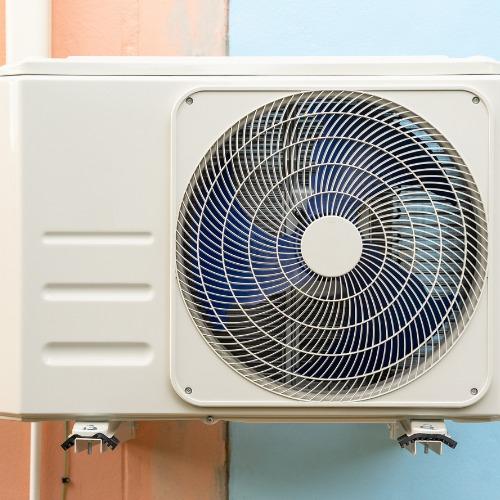
In coastal climates, the condenser coil often accumulates salt and debris that act like a blanket, trapping heat and forcing the compressor to work harder. Rinsing the coil with the correct pressure and solution, tightening electrical connections, and lubricating moving parts can head off problems that would otherwise surface during the first major heat wave. For example, a homeowner who schedules a pre-summer inspection may catch a weak capacitor or pitted contactor before it fails on a sweltering afternoon. Consistent upkeep also helps maintain manufacturer warranties and supports steady energy performance over time.
Optimize Airflow, Ductwork, and Filtration for Healthy Efficiency
Airflow is the lifeblood of any HVAC system, and it begins with clean filters and well-designed ductwork. Undersized returns, crushed ducts, and clogged filters can lead to hot and cold spots, higher utility bills, and compressor strain. A professional static pressure test identifies choke points, while duct sealing with mastic or approved tape prevents conditioned air from leaking into attics or crawlspaces.
In humid regions, proper filtration and ventilation reduce biological growth and musty odors. Upgrading to a media filter with an appropriate efficiency rating, without over-restricting the blower, captures fine particulates and pollen common during springtime blooms. Consider adding dedicated return vents in larger rooms to balance pressure, and ensure supply registers are fully open and unobstructed by furniture. In a light-commercial office, for instance, installing additional returns and sealing plenum seams can transform stuffy conference rooms into evenly conditioned spaces, improving both comfort and productivity.
Manage Humidity with Integrated Dehumidification and Smart Controls
Comfort is not just about temperature; humidity control is equally important. When indoor relative humidity creeps above recommended levels, occupants perceive a room as warmer than it actually is, prompting lower thermostat settings and longer equipment run times. Modern variable-speed systems, enhanced with smart thermostats and humidity sensors, can slow airflow to extend coil contact time, wringing more moisture from the air without overcooling.
In persistently damp homes, a whole-home dehumidifier tied into the return side helps maintain stable conditions during shoulder seasons when the air feels clammy but cooling demand is low. For example, a coastal bungalow with shaded lot exposure may struggle with sticky mornings. Integrating a dehumidifier and programming the thermostat to a target humidity range can reduce that heavy, lingering feel, protect wood floors and furnishings, and curb microbial growth. Smart controls also track runtime, provide filter-change reminders, and surface alerts that support timely service calls.
Plan for Refrigerant Transitions and Equipment Right-Sizing
The HVAC industry continues to evolve with refrigerant phase-downs and higher efficiency thresholds, making proactive planning essential. When considering a replacement, right-sizing based on a proper load calculation matters more than ever. Oversized units short-cycle, leaving moisture behind, while undersized systems struggle on peak days and reduce overall comfort.
A thorough assessment evaluates insulation, window orientation, infiltration, and occupancy patterns. Selecting equipment with variable capacity or multi-stage operation balances efficiency with dehumidification. Additionally, understanding refrigerant options helps avoid compatibility issues during future service. For homeowners pursuing upgrades, pairing a high-efficiency heat pump with a matched air handler and clean, sealed ducts can produce year-round comfort with fewer fluctuations. In a small retail space, for instance, transitioning to a properly sized, high-efficiency heat pump with expanded return capacity can lower runtime noise, smooth out temperature swings, and extend component life by reducing mechanical stress.
Prepare for Peak-Season Demands and Fast, Reliable Repairs
Even with diligent maintenance, systems can falter during extreme heat, heavy storms, or after years of wear. Clear communication and quick diagnostics are crucial when indoor temperatures rise. Keep a simple checklist: verify thermostat settings, confirm breaker positions, check for a clogged filter, and ensure the outdoor unit is free of obstructions.
If the system still won’t cool, professional service is the next step. In areas accustomed to intense summers, residents often search for fast, trustworthy help to restore comfort before heat builds indoors. Technicians who arrive with common parts, document findings, and explain options clearly help homeowners and property managers make confident decisions. After the fix, a root-cause analysis—whether identifying a refrigerant leak, failed start component, or airflow restriction—prevents repeat visits. Building owners can further reduce downtime by maintaining an asset log, stocking spare filters, and scheduling mid-season checkups during high-demand months.
What Homeowners Should Know About AC Breakdowns and Rapid Response in Coastal Texas
Common Causes of Mid-Season AC Failures
Air conditioning systems in coastal regions operate under demanding conditions: persistent humidity, salty air, and frequent start-stop cycles during long, hot afternoons. Several issues tend to emerge under these stresses. Clogged condensate drains can trigger safety shutoffs as algae and debris accumulate in the pan. Outdoor coils may collect salt residue and dirt, insulating the refrigerant lines from proper heat exchange and forcing longer run times.
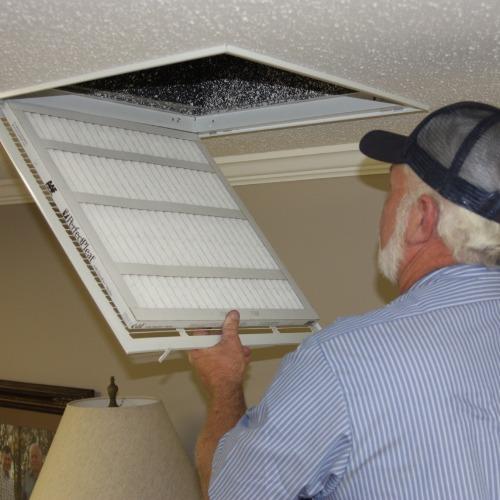
Electrical components, such as capacitors and contactors, naturally wear down and can fail abruptly, leaving the blower running but the condenser silent. Low refrigerant from undetected leaks reduces cooling capacity, often showing up first as lukewarm air from the vents or icing along the refrigerant line. Belts, bearings, and blower motors also face added strain when filters are clogged and airflow is restricted.
Not every symptom points to the same root cause; short-cycling, high indoor humidity, or unusual noises may each indicate different problems. Recognizing these warning signs early can help prevent a full system outage when the weather is least forgiving.
Immediate Steps to Take When Cooling Stops
A calm, systematic approach can preserve safety and prevent avoidable damage when your cooling system stops working. First, verify the thermostat settings and replace the batteries if applicable. Ensure the system is set to cool and that the temperature is a few degrees below the room’s current reading. Next, check the electrical panel for a tripped breaker and inspect the outdoor disconnect to confirm the unit has power.
If the system is blowing warm air or not running, switch the thermostat fan setting to "on" to promote air movement, which can help temper hot spots indoors. Replace or clean the return air filter to maximize airflow, as a blocked filter can cause icing and system shutdowns. If you notice frost on the refrigerant line or the air handler, turn the system off immediately to allow thawing and avoid compressor stress.
Additionally, avoid opening exterior doors and windows for long periods; instead, draw blinds and curtains to limit solar heat gain. Keep pets and children away from the outdoor condenser, and do not attempt do-it-yourself refrigerant work or electrical repairs. When the situation calls for urgent help, residents often look for emergency AC repair options to restore cooling promptly and safely.
How to Evaluate Repair Versus Replacement During an Urgent Call
When an air conditioner fails at the height of a heat wave, it is tempting to authorize the fastest possible fix. However, weighing long-term factors can save money and frustration. Consider the system’s overall health: frequent breakdowns, uneven cooling, or persistent humidity problems suggest underlying inefficiencies that a single repair may not resolve. Ask about the condition of major components such as the compressor, evaporator coil, and blower assembly, and whether recurring issues point to age-related wear.
Compatibility and refrigerant type matter as well; older equipment may use obsolete components or coolant that complicates future service. Think about comfort goals, noise levels, and energy consumption—repairs that restore function without addressing duct leakage or poor airflow may maintain the status quo but will not improve indoor comfort.
As a practical example, replacing a failed capacitor is a straightforward fix, while a failing compressor may prompt a larger discussion about total system performance and reliability. In urgent cases, a temporary repair might buy time for a careful review of options, load calculations, and budget planning.
Preventive Maintenance Strategies That Reduce Emergency Risks
Proactive care lowers the odds of surprise breakdowns and keeps cooling performance steady through the hottest months. Replace or clean return filters regularly. When airflow is strong and consistent, coils stay cleaner, motors run cooler, and humidity control improves. Keep debris, leaves, and grass clippings away from the outdoor unit, and maintain a clear perimeter around the condenser for unimpeded airflow.
Schedule a professional tune-up ahead of peak season to assess refrigerant charge, electrical integrity, coil cleanliness, and condensate drainage. Simple details—such as tightening electrical connections, ensuring the thermostat is calibrated, and confirming the blower wheel is balanced—can noticeably improve performance and limit wear.
Seal obvious duct leaks with appropriate mastic or professional-grade solutions to reduce wasted cooling and to balance room-to-room airflow. Indoors, use ceiling fans to gently circulate conditioned air, and manage internal heat gains by cooking earlier in the day and switching off unneeded lighting. These small steps, repeated consistently, form a reliable buffer against sudden failures.
Indoor Air Quality and Comfort Considerations During Outages
When cooling is interrupted, temperature is only one part of the comfort equation; humidity and air quality can deteriorate quickly. High moisture levels encourage microbial growth and musty odors, and sensitive occupants may notice discomfort sooner than others. While awaiting service, run portable dehumidifiers if available, and use bath and kitchen exhaust fans to reduce indoor moisture. Keep doors closed to seldom-used rooms to concentrate any remaining cool air where it is most needed.
If filtration is a priority, choose filters that match the system’s airflow capabilities; overly restrictive filters can cause pressure drops, reduce cooling output, and contribute to icing. Consider long-term upgrades that support resilience during future disruptions, such as improved duct sealing, better attic insulation to slow heat gain, and smart thermostats that stage cooling more gently.
In practice, a home with tight ducts, balanced airflow, and proper filtration will stay comfortable longer during a brief outage, and it will recover faster once service is restored. Thoughtful preparation—and knowing whom to call for rapid diagnosis—keeps households safer, calmer, and better protected against the next surprise.
|
