Pondok Tanggui: What Makes This Orangutan Viewing Site Special? | |
|
Pondok Tanggui stands out as a remarkable destination for orangutan enthusiasts seeking an authentic wildlife experience. This site offers a unique window into the lives of Bornean orangutans in their natural habitat, combining accessibility with an intimate viewing environment. Exploring what makes Pondok Tanggui special reveals insights into its ecological importance and the thoughtful conservation efforts supporting it. The appeal of Pondok Tanggui extends beyond casual observation; visitors engage with a site designed to balance human interest with wildlife preservation. The orangutans inhabit surroundings that remain largely undisturbed, allowing their behaviors and social interactions to be observed in an organic setting. This makes the site a vital component of broader conservation strategies in Central Kalimantan. Addressing the question "Pondok Tanggui: What Makes This Orangutan Viewing Site Special?" requires a deeper look into its location, operational framework, and role within the ecosystem. By analyzing these factors, one can appreciate how the site contributes to both scientific research and eco-tourism in Borneo.
Pondok Tanggui’s Strategic Location and AccessibilityPosition within Tanjung Puting National ParkPondok Tanggui is situated along the Sekonyer River within Tanjung Puting National Park, a key area for tropical rainforest preservation in Central Kalimantan. This positioning allows visitors to reach the site via traditional river cruises, enhancing the immersive experience. The surrounding peat swamp forest and diverse flora provide a natural backdrop that supports a wide range of wildlife. Its location is not only geographically significant but also critical for conservation as it lies within a protected zone. The site benefits from national and international efforts to maintain the integrity of the rainforest and its inhabitants. This ensures that the orangutans enjoy a habitat that is safeguarded from deforestation and other environmental pressures. Transportation and Visitor Access ConsiderationsAccess to Pondok Tanggui is primarily by boat, often using the traditional Klotok houseboats that navigate the winding Sekonyer River. This mode of transport offers a slow, observational journey that allows visitors to appreciate the rainforest scenery en route. The reliance on river cruising helps minimize the environmental footprint compared to road-based access. Visitors can arrange for an orangutan tour that includes Pondok Tanggui, integrating it with other important sites in Tanjung Puting. The accessibility combined with guided tours ensures a controlled visitor flow, which is essential for minimizing disturbances to the wildlife. Look at here to discover a useful source on orangutan tour in tanjung puting national park Borneo. Balancing Visitor Experience with Conservation NeedsThe site’s accessibility has been carefully managed to avoid overcrowding and to maintain a low-impact environment. Facilities are modest and designed to blend into the natural surroundings, limiting habitat disruption. This balance between visitor access and environmental sensitivity is a defining characteristic of Pondok Tanggui’s operational model.
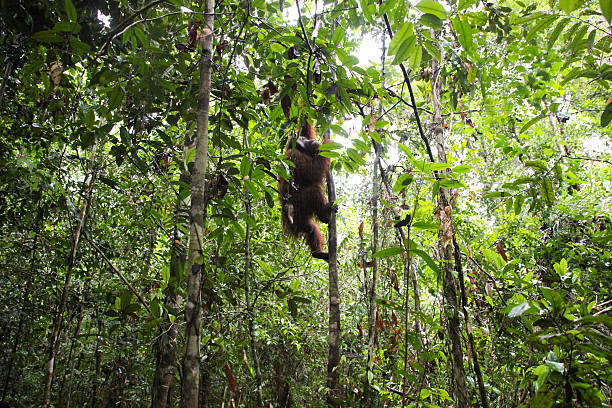
Pondok Tanggui: What Makes This Orangutan Viewing Site Special? — Habitat and Wildlife InteractionNatural Behavior Observation OpportunitiesPondok Tanggui offers rare chances to observe orangutans engaging in natural behaviors such as foraging, nest building, and socializing. Unlike some heavily commercialized sites, here orangutans are not habituated to human presence to an extent that alters their daily routines. This preserves the authenticity of the wildlife viewing experience. The site’s design encourages respectful distances and minimal interference, enabling visitors to witness genuine primate interactions. Observations made here contribute to research and understanding of orangutan ecology and social dynamics within the wild. Integration of Other Bornean WildlifeBeyond orangutans, Pondok Tanggui’s environment supports a variety of rainforest species including proboscis monkeys, gibbons, and diverse birdlife. This biodiversity enriches the visitor experience and highlights the complex ecosystem in which the orangutans thrive. The presence of multiple species is a testament to the health of this tropical rainforest habitat. Conservation efforts at the site extend to protecting these broader species communities, ensuring that the entire ecosystem remains viable. The interconnectedness of these species underscores the importance of preserving Pondok Tanggui’s habitat for sustainable wildlife conservation. Role in Regional Wildlife ConservationAs part of Tanjung Puting National Park, Pondok Tanggui contributes to the larger framework of wildlife conservation in Borneo. The site supports ongoing research, monitoring, and habitat protection initiatives that benefit orangutans and other endemic species. It acts as a base for conservationists working to mitigate threats like illegal logging and habitat fragmentation. The successful conservation at Pondok Tanggui exemplifies how eco-tourism and environmental stewardship can coexist. It functions as a model for integrating visitor engagement with active protection measures.
Infrastructure and Visitor Experience at Pondok TangguiAccommodation and FacilitiesThe accommodations at Pondok Tanggui are designed to be simple yet comfortable, focusing on sustainability. Lodging typically includes basic huts or eco-lodges that minimize environmental impact and blend with the forest surroundings. This approach ensures that the site remains inviting without compromising its natural integrity. For those exploring practical options, utilizing trusted orangutan tour specialists provides reliable support. Facilities emphasize low waste generation and energy use, aligning with conservation objectives. Visitors can expect basic amenities that support an immersive jungle experience without the distractions of modern urban life. Guided Tours and Educational ProgramsExpert guides lead visitors through the site and surrounding areas, providing detailed information about orangutan behavior and conservation challenges. These educational programs enhance awareness and foster a deeper appreciation for Bornean primates and their habitat. Interpretive talks and observation sessions are structured to be informative while respecting wildlife boundaries. Programs may incorporate elements of jungle trekking and river cruising, allowing visitors to experience diverse aspects of the rainforest ecosystem. The educational component is integral to the site’s mission, promoting responsible tourism practices. Visitor Impact Management PracticesPondok Tanggui enforces strict guidelines to reduce human impact on wildlife and habitat. Visitor numbers are controlled, and interactions with orangutans are regulated to prevent stress or behavioral changes in the animals. These measures safeguard the delicate balance between tourism and environmental preservation. Staff regularly monitor visitor behavior and habitat conditions to ensure compliance with conservation standards. This proactive management is critical in maintaining the site’s long-term sustainability and reputation as a premier orangutan viewing location. Community Involvement and Conservation SynergyLocal Community EngagementThe surrounding communities participate in conservation and tourism activities at Pondok Tanggui, benefiting economically and socially. Their involvement fosters a sense of stewardship and provides alternative livelihoods that reduce reliance on destructive practices like illegal logging. This community integration strengthens conservation outcomes and supports sustainable development. Training programs help locals become guides, lodge operators, and conservation advocates, creating a collaborative network focused on protecting the orangutans and their habitat. This synergy between local people and conservation authorities is essential for the site’s success. Collaborative Research and Monitoring EffortsPartnerships between conservation organizations, government agencies, and researchers facilitate ongoing studies at Pondok Tanggui. These collaborations provide valuable data on orangutan populations and habitat health, informing adaptive management strategies. Research findings contribute to regional conservation policies and international awareness. Community-based monitoring initiatives also empower local stakeholders to actively participate in protecting their environment. Such cooperative frameworks exemplify how conservation and community interests can align effectively. Challenges and Opportunities in ConservationDespite its achievements, Pondok Tanggui faces challenges from external threats such as illegal gold mining and habitat encroachment. Addressing these requires continuous vigilance and resource allocation. However, the site’s established conservation model and community partnerships offer a strong foundation for overcoming these issues. Future opportunities include expanding eco-tourism infrastructure responsibly and increasing educational outreach to a broader audience. Supporting these developments will enhance Pondok Tanggui’s role in regional and global conservation networks.
Evaluating the Long-Term Impact of Pondok TangguiConservation Success IndicatorsLong-term monitoring shows that Pondok Tanggui has contributed positively to the stability of orangutan populations in the area. The natural behaviors observed and the continued presence of multiple age groups indicate a healthy habitat. These indicators reflect effective management and a commitment to preserving the rainforest ecosystem. The site serves as a benchmark for other orangutan viewing locations, demonstrating how focused conservation efforts can yield tangible results. Its success enhances the credibility of eco-tourism as a tool for wildlife protection. Educational and Cultural InfluencePondok Tanggui has raised awareness among visitors about the critical status of orangutans and the importance of protecting tropical rainforests. This educational impact extends beyond tourism, influencing broader conservation conversations. Increasingly, visitors become advocates for wildlife conservation after firsthand exposure to the site’s environment. The cultural exchange between visitors and local communities fosters mutual respect and understanding, further strengthening conservation ethics. This educational dimension is a crucial part of the site’s enduring value. Future Directions and SustainabilityMaintaining Pondok Tanggui’s special status requires ongoing adaptation to emerging environmental and social challenges. Sustainable practices must evolve to address climate change effects and growing tourism demands. Continued investment in community engagement and scientific research remains vital. Ensuring the site’s resilience will preserve its unique offerings for future generations. The integrated approach to conservation, community, and visitor experience positions Pondok Tanggui as a model for sustainable orangutan viewing. Visitors planning an orangutan tour will find Pondok Tanggui an exemplary destination where wildlife thrives alongside responsible eco-tourism. Its contribution to wildlife conservation underscores its importance within the broader context of Borneo’s rainforest preservation efforts.
Key Takeaways from the Analysis of Pondok TangguiExamining "Pondok Tanggui: What Makes This Orangutan Viewing Site Special?" reveals a site uniquely positioned at the intersection of conservation, community engagement, and authentic wildlife experience. Its strategic location within Tanjung Puting National Park and careful management practices protect both orangutans and their habitat effectively. The site's infrastructure and educational programs enhance visitor understanding while minimizing ecological impact. Community involvement strengthens conservation efforts, ensuring local support and sustainable development. Together, these factors create a resilient model for orangutan viewing and rainforest preservation. Ultimately, Pondok Tanggui exemplifies how targeted conservation strategies combined with responsible tourism can safeguard endangered species. Its long-term impact on orangutan populations and the surrounding ecosystem affirms its special status among wildlife viewing sites. Visitors seeking an insightful and meaningful encounter with Bornean primates will find Pondok Tanggui a distinctive and valuable destination.
VARADA BORNEO Orangutan Tour Operator & DMC JL. Ahmad Yani RT.27 kel. Baru kec. Arut selatan, Pangkalan Bun. Central Borneo -Indonesia Mobile / Whatsapp : +62 8538 999 6660 [email protected] Map: https://maps.app.goo.gl/dCAknVGoj1zbtkAg8
| |
 |