How Can Proper Ventilation Improve Indoor Air Quality? | |||||||
|
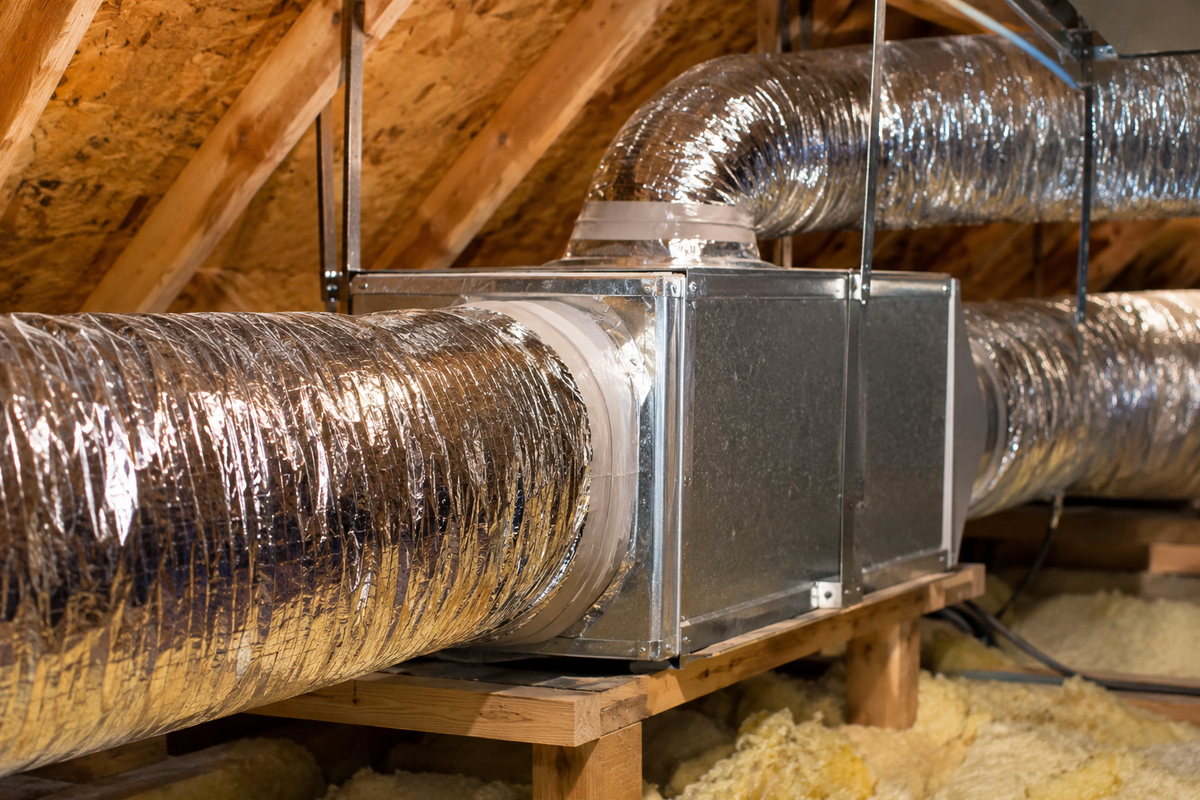 The quality of the air inside our homes and workplaces significantly affects health, comfort, and overall well-being. How can proper ventilation improve indoor air quality? This question is crucial for anyone looking to create safer and healthier indoor environments. Ventilation plays a pivotal role in regulating contaminants, moisture, and temperature, directly influencing the air we breathe. Indoor air pollution often goes unnoticed despite its impact on respiratory conditions, allergies, and even cognitive performance. Exploring the mechanisms and benefits of proper ventilation reveals how it systematically addresses these concerns. Through a detailed analytical breakdown, this article clarifies the technical and practical aspects of ventilation’s influence on indoor air quality. The Mechanics of Proper Ventilation and Its Influence on Air QualityFundamental Principles of VentilationVentilation involves the controlled exchange of indoor and outdoor air to maintain a healthy atmosphere inside buildings. It operates by diluting indoor pollutants with fresh outdoor air and removing excess moisture. This exchange prevents the buildup of harmful substances such as carbon dioxide, volatile organic compounds, and particulate matter. Proper ventilation can be achieved through natural methods like windows and vents or mechanical systems including fans and HVAC units. The balance between air intake and exhaust ensures that stale air is continuously replaced, maintaining a dynamic flow that improves air freshness and quality. Types of Ventilation SystemsThere are three primary types of ventilation systems: natural, mechanical, and hybrid. Natural ventilation relies on openings such as windows and doors, utilizing wind and temperature differences to drive airflow. Mechanical ventilation uses powered devices to control air movement, providing consistent and adjustable airflow regardless of outdoor conditions. Hybrid systems combine both natural and mechanical approaches to optimize air exchange based on environmental factors. Selecting the appropriate system depends on building design, occupancy, and climate, all of which influence the system's effectiveness in enhancing indoor air quality. Role of Airflow Patterns in Contaminant ReductionEffective ventilation designs consider airflow patterns to minimize stagnant zones where pollutants accumulate. Proper distribution of conditioned air reduces pockets of high contaminant concentrations, ensuring that all indoor spaces receive adequate fresh air. This approach directly contributes to lowering health risks associated with indoor pollution. Ventilation strategies that promote uniform air movement help reduce odors, allergens, and airborne pathogens. The strategic placement of vents and exhaust points supports this by directing airflow toward pollutant sources and facilitating their removal. For more insights on ventilation and air distribution, navigate to this website where specialized solutions are discussed for maintaining indoor air quality through optimized airflow management. Quantifiable Benefits of Proper Ventilation on Health and ComfortReduction of Airborne ContaminantsProper ventilation significantly decreases concentrations of indoor pollutants, including dust, mold spores, and chemical emissions. These contaminants, if allowed to accumulate, can trigger respiratory illnesses and allergic reactions. By continuously exchanging indoor air, ventilation systems limit exposure to these harmful agents. Studies correlate improved ventilation rates with lower incidences of asthma and other respiratory issues. The removal of carbon dioxide also enhances cognitive function and alertness, especially in work and educational settings. Control of Indoor Humidity LevelsHumidity control is a vital aspect of ventilation that prevents mold growth and material degradation. Excess moisture can cause uncomfortable living conditions and damage building structures. Proper ventilation regulates indoor humidity, maintaining it within an ideal range to support occupant health and preserve property integrity. Humidity control also reduces the likelihood of dust mites and other allergens thriving indoors. Balanced moisture levels contribute to overall indoor thermal comfort, further enhancing occupant satisfaction. Enhancement of Thermal ComfortVentilation influences indoor temperature by facilitating heat exchange and preventing heat buildup. Well-designed ventilation systems contribute to thermal comfort by removing hot, stagnant air and supplying cooler, conditioned air. This balance supports energy efficiency and reduces the need for excessive heating or cooling. Thermal comfort directly affects productivity and well-being, making ventilation a key factor in creating pleasant indoor environments. The integration of ventilation with heating and cooling systems is essential for maintaining stable and comfortable conditions. Technical Considerations for Optimizing Indoor Air QualityFiltration Efficiency and Ventilation SystemsVentilation is most effective when combined with air filtration that removes fine particles and allergens from incoming air. Filtration efficiency levels determine the quality of air circulated indoors, impacting the overall health benefits. High-efficiency filters capture pollutants like pollen, smoke, and dust, complementing ventilation efforts. Regular maintenance and proper selection of filters ensure that ventilation systems operate at peak performance. Upgrading filtration components can significantly improve indoor air quality and occupant health. Balancing Air Exchange RatesDetermining the appropriate air exchange rate is critical for effective ventilation. Too low an exchange rate allows pollutant accumulation, while excessive ventilation can lead to energy waste and discomfort due to drafts or temperature fluctuations. Balancing these rates requires analyzing building use, occupancy, and outdoor air quality. Advanced ventilation controls enable dynamic adjustment of airflow based on real-time indoor air monitoring. This adaptability maximizes air quality benefits while minimizing energy consumption. Integration with Building Design and Occupant BehaviorProper ventilation must align with building architecture and occupant activities to be truly effective. Features like window placement, room layout, and material choices influence airflow patterns and pollutant sources. Additionally, occupant habits such as cooking, cleaning, and smoking introduce variable pollution loads that ventilation systems must address. Designing ventilation strategies tailored to these factors ensures consistent air quality improvements and occupant satisfaction. Collaboration between architects, engineers, and occupants is essential for successful implementation. Common Challenges and Limitations in Ventilation PracticesEnergy Implications of VentilationWhile ventilation improves air quality, it can increase energy consumption due to heating or cooling of incoming air. This trade-off requires careful system design to maintain energy efficiency. Technologies such as heat recovery ventilators mitigate energy losses by transferring heat between incoming and outgoing air streams. Understanding the balance between ventilation rates and energy use is key to sustainable indoor air quality management. Strategic planning can reduce operational costs while meeting health standards. Addressing Outdoor Air Quality ConcernsVentilation effectiveness depends on the quality of outdoor air introduced indoors. In areas with high pollution levels, bringing in outside air without treatment can degrade indoor air quality. Integrating filtration and air cleaning technologies with ventilation systems is necessary to overcome this challenge. Monitoring outdoor air conditions and adjusting ventilation accordingly helps maintain safe indoor environments. This proactive approach reduces exposure to outdoor contaminants and supports overall air quality goals. System Maintenance and Operational IssuesVentilation systems require regular maintenance to sustain performance, including cleaning ducts, replacing filters, and checking mechanical components. Neglecting upkeep can lead to reduced airflow, contamination buildup, and system failures. These issues diminish ventilation benefits and may worsen indoor air quality. Establishing maintenance protocols and training occupants on system operation ensures long-term functionality. Proper system management is essential for continuous air quality improvement. Evaluating the Long-Term Impact of Proper Ventilation on Indoor EnvironmentsHealth Outcomes and Quality of LifeProper ventilation has a measurable impact on reducing respiratory diseases, allergies, and other health conditions linked to poor indoor air. Over time, improved air quality correlates with fewer sick days, enhanced cognitive function, and better overall well-being. These benefits extend to vulnerable populations such as children, elderly individuals, and those with pre-existing health issues. Investing in ventilation improvements supports sustainable health outcomes and promotes a higher standard of living. The consistent delivery of fresh air is foundational to healthy indoor spaces. Economic and Energy Efficiency ConsiderationsWhile initial investments in ventilation upgrades may be significant, the return on investment manifests through reduced healthcare costs and increased productivity. Additionally, well-engineered ventilation systems contribute to energy savings by optimizing airflow and integrating with heating and cooling equipment. This balance enhances building performance and lowers operational expenses. Long-term planning for ventilation incorporates both economic and environmental factors, making it a strategic element in building management. Guidelines and Future DirectionsStandards for ventilation efficiency and indoor air quality continue to evolve, driven by research and technological advancements. Adhering to ventilation efficiency standards and staying informed about emerging solutions ensures that indoor environments meet the highest health and comfort criteria. Future developments may include smarter controls, improved filtration media, and integration with renewable energy sources. Stakeholders must prioritize ventilation in design, operation, and policy to safeguard indoor air quality for generations to come. Continuous innovation and education will shape the future of indoor environmental quality. For comprehensive resources on ventilation standards and residential airflow balance, consulting the materials provided by industry authorities offers valuable guidance on maintaining optimal indoor air conditions. Key Takeaways from the Analytical Breakdown of Ventilation’s RoleHow can proper ventilation improve indoor air quality? This analytical breakdown reveals that ventilation is essential for diluting pollutants, controlling humidity, and enhancing thermal comfort. Effective ventilation systems, when combined with appropriate filtration and maintenance, provide measurable health and comfort benefits. Challenges such as energy use and outdoor air quality require strategic solutions, but advances in technology and standards support continuous improvement. The long-term impact of proper ventilation extends beyond air quality, influencing health, economic efficiency, and building sustainability. Prioritizing ventilation in building design and operation is critical for achieving healthy indoor environments. Understanding these core concepts equips individuals and organizations to make informed decisions that protect indoor air quality and promote well-being. How can proper ventilation improve indoor air quality? It does so by creating controlled, clean, and comfortable indoor spaces through scientifically grounded and practical approaches. | ||||||
 |