|
|
Notable Places to Explore Near Salt Lake City, UT, Salt Lake CountyThe tapestry of Salt Lake City, UT, within Salt Lake County, unfurls as a landscape where mountain grandeur, storied avenues, and creative enclaves converge in compelling harmony.
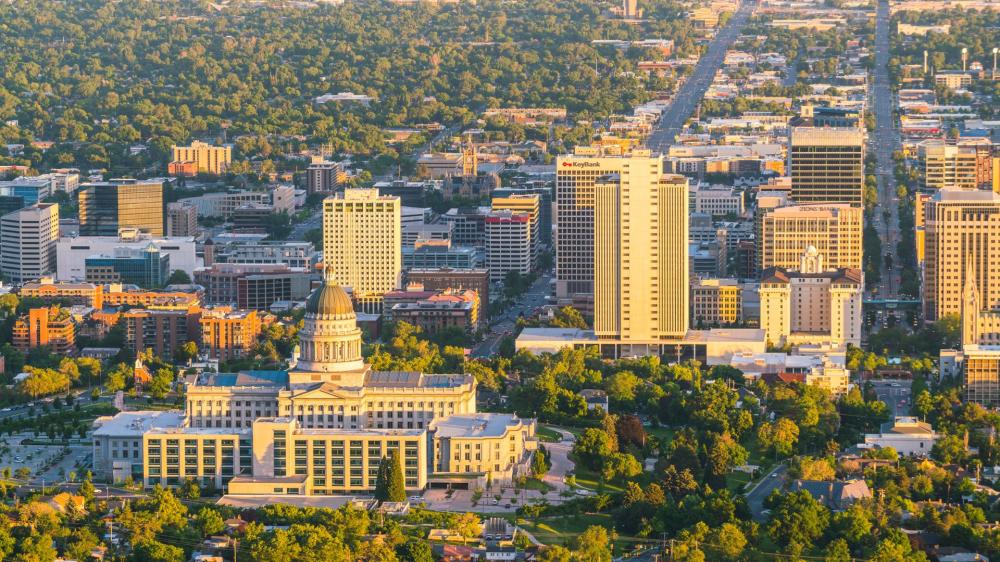
Historic Heart and Architectural IconsBegin at the civic and spiritual nexus, where enduring architecture anchors the city’s identity and offers a thoughtful encounter with the past. Temple Square’s grounds present meticulously tended gardens and a constellation of historic buildings that frame a reflective promenade. Nearby, the Utah State Capitol crowns the hill with commanding columns and panoramic grounds, ideal for contemplative walks at sunset when the valley’s light softens into amber. Descend to the Rio Grande Depot and the Union Pacific Depot, evocative transport-era landmarks whose grand halls and facades chronicle the region’s growth as a crossroads of the West. Walk the Capitol Hill streets toward the Marmalade District, where restored cottages and quaint storefronts reveal layers of civic ambition and neighborhood resilience. Each stop invites a quiet study of design, proportion, and the way public spaces shape collective memory. Urban Greenery and Parkland RetreatsThe city’s parks function as communal parlors and ecological sanctuaries. Liberty Park, a leafy expanse punctuated by towering trees, hosts winding paths that invite unhurried circuits and spontaneous picnics. The adjacent Tracy Aviary introduces a world of avian diversity amid landscaped ponds and curated habitats. Seek the International Peace Gardens along the Jordan River Parkway for a meditative amble through global-themed plots, each symbolizing cultural kinship. Gilgal Sculpture Garden rewards curiosity with enigmatic stonework tucked behind neighborhood streets, while Allen Park—an offbeat pocket park—offers rustic cabins and bird-friendly groves that feel like a secret within the city. Together, these green spaces cultivate respite, communal connection, and the simple luxury of unhurried time outdoors. Canyon Gateways and Alpine EdgesJust beyond the urban fabric, canyon corridors lead to cooler air and granite drama. Emigration Canyon eases into the high foothills with gentle curves, historic markers, and culinary stops that make for a leisurely half-day escape. Millcreek Canyon, by contrast, feels immersive and intimate, a sylvan runnel celebrated for shady picnics and trailheads that rise quickly into whispering conifers. Farther east, Big Cottonwood and Little Cottonwood Canyons carve cathedral-like chasms into the Wasatch Front, their trails unfurling across meadows and talus with invigorating switchbacks. In warmer months, the alpine basins brim with wildflowers and mirror-like tarns; when snow returns, the slopes and forests pivot effortlessly to winter recreation, lending the region its signature four-season vigor. Cultural Corridors and Curated CuriosityFollow the Foothill Cultural District for a constellation of institutions that reward inquisitive minds. The Natural History Museum of Utah deploys contemporary design to trace geologic sagas and living ecosystems, connecting landscape to lineage. Red Butte Garden stretches across terraced hillsides, its botanic collections and amphitheater merging horticulture with performance and seasonal bloom. At the base of the foothills, Hogle Zoo introduces conservation-driven encounters, while This Is the Place Heritage Park preserves vernacular architecture, living-history vignettes, and a sense of frontier pragmatism. Downtown, the Eccles Theater hosts touring productions in a sleek, acoustically nimble hall; nearby, the Leonardo and Clark Planetarium stir imagination with hands-on galleries, kinetic exhibitions, and cosmic storytelling. The dialogue among these venues cultivates a city comfortable with both science and spectacle.
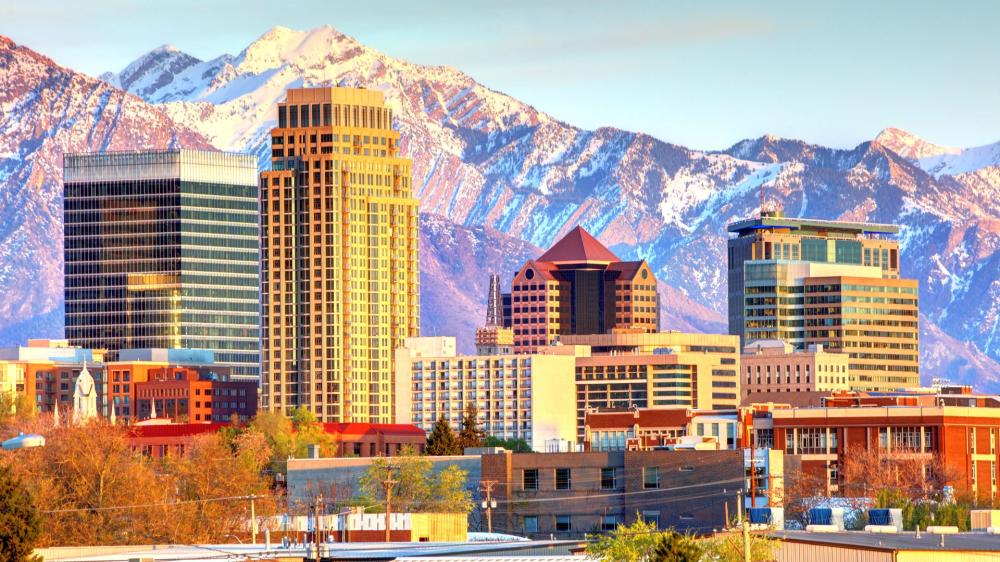
Notable Places to Explore Around Salt Lake City, UT, DowntownAnchored by the dramatic Wasatch Front, Salt Lake City balances spirited urban life with mountain air and a deep sense of place, and Downtown serves as a convenient springboard to a wide array of notable spots worth discovering.
Urban Landmarks and Civic SpacesDowntown unfolds around broad avenues, stately landscaping, and sightlines that frame the distant peaks. Start with City Creek Center’s open-air promenades, where terraced water features and pocket gardens weave through shops and dining. A short walk leads to the Utah State Capitol, perched on a hilltop with a sweeping lawn and a marble-backed interior that feels both ceremonial and welcoming. The surrounding paths offer a calm vantage to watch sunset illuminate the foothills. Nearby, Washington Square and Library Square form a civic duo: one anchored by an ornate historic city-county building, the other by a light-filled library flanked by a rooftop walkway and sunken plazas. These spaces host pop-up art, community gatherings, and quiet moments alike. Museums, Culture, and Curated ImaginationSalt Lake City pairs scholarly curation with creative zeal. The Utah Museum of Contemporary Art offers rotating exhibits that challenge perspective, while the Leonardo blends science with artistic experiment—think hands-on installations and boundary-blurring displays that make curiosity tactile. For an immersion into regional heritage, the Church History Museum presents artifacts, pioneer narratives, and interpretive galleries that place origin stories in vivid relief. West of the central grid, the Utah Museum of Fine Arts (a short drive from Downtown) unfurls global collections alongside thoughtful traveling shows. Together, these institutions shape a cultural corridor where visitors can shift from minimalism to mixed media, from ancestral textiles to modern photography, within a single afternoon. Sacred Grounds and Historic SitesA few blocks can carry you through centuries. Temple Square’s meticulously maintained gardens, reflective pools, and visitor centers guide guests through architecture, faith traditions, and horticultural detail that changes with the seasons. Adjacent historic homes and meeting halls reveal craftsmanship—stone, timber, and paneled interiors—that narrate frontier resolve. To the west, the restored Union Pacific Depot nods to the city’s rail-era energy, its grand hall and decorative flourishes recalling a time when epic journeys concluded beneath ornate ceilings. Farther out, This Is the Place Heritage Park assembles a village-scale tableau: log structures, period demonstrations, and walking paths set against a mountain backdrop, inviting unhurried contemplation of perseverance and community. Parks, Trails, and Panorama PointsOutdoor escapes ripple outward from Downtown in concentric circles of green and granite. Liberty Park, with towering trees and looping paths, is a perennial favorite for joggers, picnickers, and weekend markets. Memory Grove Park traces a leafy corridor along City Creek, leading into switchback trails that climb toward the Capitol. On the city’s eastern edge, the Bonneville Shoreline Trail threads through hillsides of sage and scrub oak, offering easy-to-moderate hiking and bicycle routes with postcard skyline views. Emigration Canyon unspools a cool, meandering drive; tuck into a café for a warm bite, then continue to overlook pullouts that turn the valley into a luminous mosaic at dusk. Come winter, nearby canyons funnel crisp air and powder to resorts a short drive from the grid—close enough for a half-day excursion, yet far enough to feel worlds removed. Neighborhood Strolls, Markets, and Street-Level FindsDistinct enclaves promote a slower cadence. In the Central Ninth area, indie eateries and design-forward storefronts abut sleek new builds, creating a pocket neighborhood made for grazing and browsing. The 9th & 9th district radiates a bohemian spark: murals dot alleyways; cafés brim with conversation; boutiques showcase regionally crafted goods. Head west to The Gateway, where renovated warehouses and broad plazas now stage immersive art shows and seasonal festivities. The Granary District, with its brick bones and industrial charisma, continues to incubate studios, taprooms, and creative venues that frequently host open houses. All told, these neighborhoods feel approachable yet textured—ideal for serendipitous discovery. | ||||
 |