Desert Landmarks and Cultural Strolls near Phoenix, AZ 85016
Urban Orientation in the Camelback Corridor
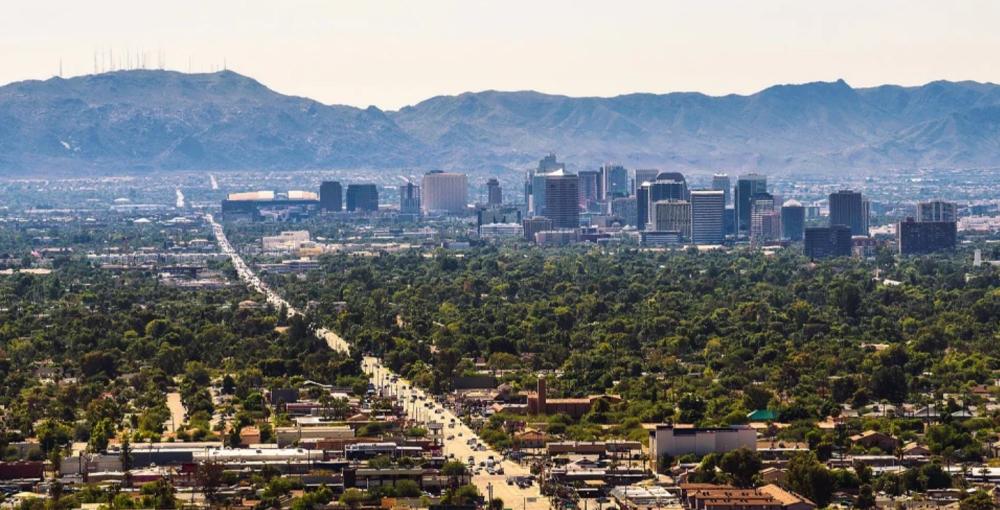
Anchored along Camelback Road and the Arizona Canal, the 85016 district offers a refined blend of urbanity and Sonoran scenery. The skyline sits low against distant ridgelines, creating an appealing juxtaposition of glass, stucco, and saguaro-studded slopes. Streets are broad. Sunlight is abundant. Mornings arrive with the scent of creosote and citrus, while evenings invite a languid promenade beneath coral-tinted skies. This corridor hums with purposeful movement—joggers along the canal, museumgoers on mid-day excursions, and hikers bound for nearby summits before the heat gathers. The neighborhood’s well-connected roads place noteworthy destinations within minutes, rendering day plans flexible and spontaneous.
Trails on the Horizon: Mountains and Parks
The mountains call early here. Camelback’s Cholla Trail, accessed from the east, ascends through cholla and brittlebrush to a serrated summit with far-reaching views. Start at dawn for cooler air and a quiet approach. To the north, Piestewa Peak rises like an obelisk. Its Summit Trail delivers a cardio-forward climb over volcanic rock, rewarding perseverance with a panorama of the Valley’s mosaic of neighborhoods and greenbelts. For gentler ambles, Papago Park’s red sandstone buttes host undulating paths and photogenic alcoves. Families favor the flatter loops. Photographers savor the late-day luminescence that floods the honeycombed rock. Each trail exemplifies the Sonoran’s resilient botany—ocotillo wands, creosote rings, and palo verde shade punctuating the path.
Art, History, and Architecture
Culture flourishes a short drive from the corridor. The Heard Museum chronicles Indigenous artistry with luminous textiles, sculpture, and contemporary installations that amplify living traditions. Nearby, the Phoenix Art Museum ranges from American masters to avant-garde photography, its galleries flowing with airy poise. Architecture aficionados gravitate to the Arizona Biltmore, a landmark influenced by textile-block forms and lush garden courts; the property radiates storied glamour without ostentation. Perched above the fairways, the Wrigley Mansion pairs Spanish Colonial Revival details with terrace views—history told through arches, tilework, and a skyline tableau. For a more intimate arts experience, the Shemer Art Center, set within a historic home, curates rotating exhibits and workshops in a setting shaded by mature trees.
Gardens, Water, and Wildlife
Water and desert co-exist here with unexpected grace. The Arizona Canal Trail threads past the corridor, offering a ribbon of riparian calm where cyclists and walkers trace the water’s orderly course. At the Desert Botanical Garden in Papago, the Sonoran reveals its vocabulary: organ pipe cacti, sinuous agaves, and ethereal wildflower displays in spring. Interpretive paths explain adaptive strategies—how plants hoard moisture, how blooms entice pollinators—and seasonal exhibits add a flourish of light and color. Adjacent, the Phoenix Zoo introduces visitors to habitats both regional and far-flung. Early visits often yield lively scenes—giraffes stepping across bronze turf, big cats stretching in mottled shade, and native species showcased beside saguaros and mesquite.
Quiet Corners and Community Spaces
In a city known for sunshine, public spaces become living rooms. Steele Indian School Park presents an expansive lawn, a lake glinting with reflected clouds, and heritage structures that commemorate the site’s complex past. Granada Park, closer to the mountains, attracts birdwatchers at dawn; egrets and ducks pattern the water as runners loop the shore. For archaeology and context, S’edav Va’aki Museum preserves ancient Hohokam canal ingenuity and platform mound remnants; exhibits articulate centuries of settlement and trade across the Salt River Valley. These spaces encourage a slow rhythm—time for conversation, sketching, or the simple pleasure of shade beneath a mesquite canopy.
Dusk-to-Afterglow: Evening Ambiance
When the sun tilts and shadows lengthen, the corridor settles into its evening cadence. Terraces glow. Courtyards murmur with conversation. Papago’s buttes smolder a final red before night’s indigo takes hold. Canal paths cool, inviting one last amble. Cultural venues extend the day with talks, rotating exhibitions, and seasonal events that pair starlight with sculpture gardens or music on the lawn. This is when the district’s character comes fully into frame: sophisticated yet relaxed, anchored to place yet unhurried, with the mountains standing watch.
Selected Places to Explore
- Camelback Mountain (Cholla Trail)
- Piestewa Peak Summit Trail
- Papago Park
- Desert Botanical Garden
- Phoenix Zoo
- Heard Museum
- Phoenix Art Museum
- Arizona Canal Trail
- Arizona Biltmore
- Wrigley Mansion
- Steele Indian School Park
- Granada Park
- Shemer Art Center
- S’edav Va’aki Museum (formerly Pueblo Grande)
- Tovrea Castle at Carraro Heights
- Biltmore Fashion Park
Planning Pointers and Seasonal Nuance
Timing matters in the Sonoran. Cooler months invite midday museum visits and longer hikes; summer favors sunrise adventures, shaded gardens, and twilight strolls. Hydration is nonnegotiable, particularly on steeper ascents where reflected heat intensifies the climb. Parking can be limited at popular trailheads; arrive early, carry a compact day pack, and treat the desert with deference—stay on marked routes, give wildlife space, and pack out anything you bring. For culture-forward days, pair a museum with a garden visit, or combine architectural touring with a canal ramble. The goal is a well-paced circuit that balances exertion and reflection.
Together, these destinations form a cohesive portrait of Phoenix, AZ 85016—mountain silhouettes, storied architecture, desert botany, and vibrant galleries stitched into an accessible, radiant landscape. The result feels both cosmopolitan and grounded, shaped by geology, light, and a long arc of human creativity.
Urban Landmarks and Outdoor Escapes near Phoenix, AZ 85016
Introduction to the Camelback Corridor
An address in the Camelback Corridor places countless destinations within easy reach. The area’s arterial boulevards, pocket parks, and cultural institutions offer a dynamic blend of city texture and desert quietude. Weekdays hum with commerce. Evenings soften into mountain silhouettes and canal reflections that invite exploration.
Architectural Icons with Stories to Tell
Grand structures in this corridor carry rich narratives—of design ingenuity, hospitality, and civic aspiration. Each landmark doubles as a vantage point on Phoenix history.
- Wrigley Mansion: Perched above the corridor, this 1930s estate delivers far-reaching views and a palpable sense of old Arizona elegance. The terraced hilltop and Mediterranean motifs recall an era when hillside siting conferred prestige and breeze-catching practicality.
- Arizona Biltmore: Celebrated for block relief patterns inspired by Frank Lloyd Wright’s textile blocks, the property is a living compendium of desert modernism. Meander the garden courts to observe how geometry, shadow, and native plantings form a cohesive microclimate.
- Camelback Esplanade: A contemporary counterpoint, the mixed-use complex integrates sculpture, water features, and shaded colonnades. Courtyard seating areas encourage lingering, especially as twilight enhances the artful lighting.
Trails and Peaks Within Minutes
The neighborhood’s skyline is defined by rugged sentinels. Trails here are close, vigorous, and gratifying, offering a desert experience without a long drive.
- Piestewa Peak: The Summit Trail climbs steeply through granite outcrops. Dawn hikes are particularly stirring as light reveals spiny cholla and barrel cacti, their spines glowing like filaments.
- Camelback Mountain, Echo Canyon: A more scrambling ascent, with railings at key pitches. From the summit, the city unfurls in an intricate grid, punctuated by verdant fairways and palm allees.
- Arizona Canal Path: Level terrain for cyclists and walkers, flowing east-west beneath cottonwoods and bridge murals. It’s ideal for sunset strolls and birdwatching—egrets, night herons, and the occasional osprey tracing the channel.
Arts and Culture: A Corridor of Creativity
Museums in and near the corridor reveal Indigenous heritage, regional art, and global dialogues. Exhibitions rotate, but the sense of place remains constant.
- Heard Museum: Acclaimed for exhibitions that foreground Native voices, the sculpture garden and sunken courtyards create contemplative retreats. Docent-led talks decode materials—silverwork, textiles, and katsina carvings—with nuanced context.
- Phoenix Art Museum: From Western vistas to contemporary installations, the galleries traverse genres and centuries. The luminous atrium and sculpture courtyard invite pauses between exhibitions; seasonal events animate the calendar.
- Shemer Art Center: Nestled near the mountain preserve, this historic home-turned-arts-center hosts workshops and small-scale exhibits. Its lawn, framed by citrus and oleanders, doubles as a picturesque spot for alfresco events.
Gardens and Green Oases
Amid urbanity, cultivated landscapes and parks provide shade, fragrance, and respite. The contrast between curated plant palettes and wild desert slopes is striking.
- Desert Botanical Garden: Trails thread through saguaro forests, agave terraces, and ethno-botanical plots. Evening programs cast cacti in jewel-toned light, while seasonal butterfly exhibits reveal delicate pollinator choreography.
- Japanese Friendship Garden (RoHoEn): A crafted microcosm of tranquility—koi glide beneath arching bridges, and lanterns punctuate raked gravel. Tea demonstrations impart etiquette and sensory appreciation.
- Encanto Park and Steele Indian School Park: Encanto’s lagoons mirror palms and paddleboats, while Steele’s memorial walk preserves the site’s layered past. Both parks offer picnic lawns and ample sky.
History Unearthed and Reinterpreted
Archaeology and adaptive reuse converge across Phoenix, conveying timelines far older than the boulevard grid.
- S’edav Va’aki Museum: Formerly known as Pueblo Grande, this Hohokam village site presents platform mounds, irrigation ingenuity, and artifacts that illuminate centuries of desert adaptation. The interpretive trail makes precontact engineering tangible.
- Heritage Square and the Rosson House: Victorian architecture in downtown’s core provides a tactile lesson in craftsmanship—gingerbread trim, stained glass, and steep gables. Adjacent eateries animate the plaza, blending past and present.
- Tovrea Castle at Carraro Heights: A wedding-cake silhouette rising from a cactus garden. Guided tours reveal an improbable saga of ambition, industry, and landscape artistry at the city’s edge.
Markets, Neighborhoods, and Canal-Lined Ambiance
Foodways and streetscapes animate daily life. Seasonal produce, bungalow districts, and shaded promenades reward unhurried exploration.
- Uptown Farmers Market: Growers arrive with desert-adapted harvests—Medjool dates, heirloom melons, and stone-ground flours. Artisan vendors add breads, pickles, and small-batch condiments that showcase Sonoran flavors.
- Coronado Historic District: Tree-lined blocks with bungalows and tidy cottages; porches brim with potted aloes and string lights. Cafés and murals punctuate corners, encouraging leisurely neighborhood walks.
- Biltmore Fashion Park: Garden-style retail with citrus allées and intimate paseos. Public art, seasonal lighting, and shaded seating transform errands into a pleasant ramble.
Phoenix, AZ 85016, balances urban sophistication with quick access to wild geology and living history. One moment, a museum courtyard murmurs with fountains. The next, gravel crunches underfoot on a summit trail. This corridor invites a roaming mindset—curious, observant, and ready to discover new textures of the desert city.
