Lakeside Landmarks and Quiet Escapes in Kingston, ON K7L 1C3
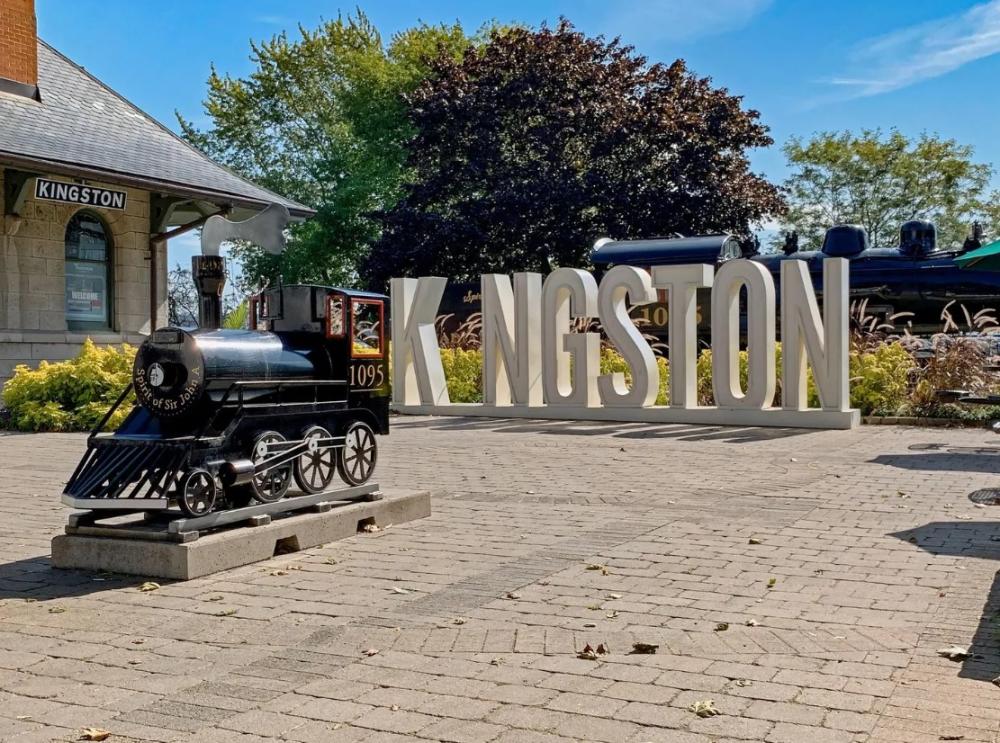
A Curated Ramble Through Limestone City’s Waterfront and Heritage
Historic Strongholds and Stone Sentinels
Kingston’s shoreline still bristles with 19th-century ingenuity. The city’s martial past and maritime lifeblood surface in the surviving fortifications and towers guarding the harbor like stoic sculptures. These sites reward slow exploration, revealing craftsmanship in limestone blocks, cannon embrasures, and panoramic glacis.
- Fort Henry National Historic Site: Commanding hilltop views sweep across the harbor, with interpretive spaces that illuminate garrison life, drill precision, and coastal strategy.
- Murney Tower National Historic Site: A circular Martello redoubt tucked into lakeside greenery; inspect its thick walls, armaments, and period interiors.
- Fort Frederick and the RMC Museum: On the Royal Military College grounds, this fort and adjoining museum trace cadet traditions, artifacts, and Kingston’s defense narrative.
Waterfront Walks and Breezy Vistas
The city’s lakefront unfurls as a gracious promenade. Boardwalks, piers, and well-sited benches invite contemplative pauses. Watch sailboats tack in the channel, feel the onshore breeze, and listen to the rhythmic slap of waves on limestone revetments.
- Breakwater Park and Gord Edgar Downie Pier: A magnet for swimmers and sunset-watchers; the pier’s clean lines and ladders make water access surprisingly elegant.
- Kingston Waterfront Pathway: A continuous ribbon stitching parks, marinas, and civic spaces—ideal for an easy stroll or a contemplative jog with lake views.
- Portsmouth Olympic Harbour: Legacy docks and calm basins host regattas and waterfront events; the adjacent village streets offer pocket parks and heritage façades.
Museums, Galleries, and Academic Atmospheres
Kingston blends scholarship with public culture. Galleries and museums sit within walking distance, turning a day out into a layered conversation with art, science, and history. Architectural reuse lends these venues a singular charisma.
- Agnes Etherington Art Centre: Thoughtful curations range from European masters to Indigenous art, encouraging unhurried viewing and careful reflection.
- Marine Museum of the Great Lakes at Kingston: Ship models, navigation instruments, and oral histories decode lake commerce and shipboard life.
- PumpHouse Museum: Housed in a Victorian industrial jewel, this museum explores steam power, engineering, and Kingston’s evolution through infrastructure.
Parks, Wetlands, and Conservation Quietude
Just beyond the bustle, conservation areas provide restorative calm. Trails lace through mixed woodlands and wetlands where herons lift silently from cattails. The shift from city hum to rustling leaves is almost immediate.
- Lemoine Point Conservation Area: Flat, family-friendly paths skirt shoreline segments and meadows frequented by monarchs and white-tailed deer.
- Little Cataraqui Creek Conservation Area: Seasonal charm abounds—sugarbush demonstrations in late winter, canoeing in spring, and serene snowshoe loops come winter.
- Grass Creek Park and the MacLachlan Woodworking Museum: Sandy beach, dog run, and a museum celebrating timber craft traditions under one expansive sky.
Island Crossings and Canal Craft
Water defines Kingston’s character, from the Rideau Canal’s precise engineering to the island horizons to the south. Ferries and lockstations convert movement into an experience—slower, scenic, and gently instructive.
- Wolfe Island Ferry and Big Sandy Bay: A free crossing with sweeping views; on arrival, quiet dunes and wide sands invite long, ambling walks.
- Kingston Mills Locks (Rideau Canal): Watch lockmasters choreograph boats through stone chambers; picnic tables and historic buildings frame a perfect pause.
- Anglin Bay and the Inner Harbour: Industrial relics meet tranquil waters, creating a photogenic amphitheater for kayakers and shoreline wanderers.
Cathedrals, Squares, and Civic Grace
Civic life concentrates in handsome public spaces where stonework, trees, and sculpture provide a dignified stage for markets and gatherings. The city’s vertical accents—towers and spires—give the skyline a timeless silhouette.
- Kingston City Hall and Confederation Park: Neoclassical grandeur facing a fountain-laced park; festivals and casual lunches coexist with government proceedings.
- Springer Market Square: Seasonal shapeshifter—produce stalls and crafts in warm months, a gliding rink beneath twinkling lights in winter.
- St. George’s Cathedral and St. Mary’s Cathedral: Twin testaments to sacred architecture, their interiors echoing with stained glass radiance and careful masonry.
Practical Tips and Seasonal Nuance
Weather shifts quickly near the lake. Carry a light layer. Sturdy shoes help on limestone paths and tower stairs. Spring migratory flocks enliven wetlands; summer brings pier swimming; autumn lights up campus maples; winter clarifies the sky for crystalline harbor views. Whichever season you choose, Kingston rewards unhurried curiosity and an eye for texture—from chisel marks in stone to wind ripples on blue water.
Waterfront Walkabouts and Historic Hideaways in Kingston, ON K7L 1C3
A Harbor Shaped by History
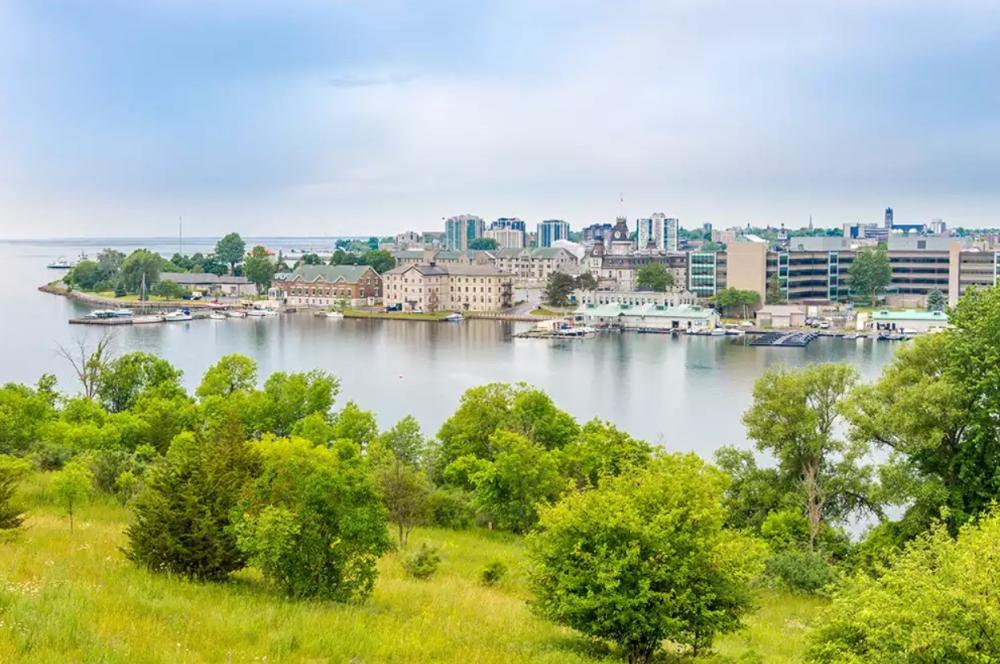
Kingston’s shoreline unfurls like a living archive, where stone, sail, and steel intertwine. The harbor once moored steamboats and schooners; today it hosts sleek yachts and tour craft. Along Ontario Street, limestone facades catch the lake light, their rough-hewn surfaces whispering of quarry days and craftsmanship. Pause at Confederation Park to study the symmetry of City Hall, a civic anchor since the mid-1800s. The basin beyond reflects masts and clouds, a shifting tableau that changes by the minute. Mornings feel tranquil. Evenings feel cinematic.
Fortifications and Martial Heritage
Defensive ingenuity rings this waterfront. Martello towers—compact, formidable cylinders—once guarded approaches to the harbor. Climb the precincts around Murney Tower to grasp why elevated sightlines mattered. Across the waterline, Shoal Tower rises from the basin like a stone sentinel. Follow the continuum eastward to Fort Henry National Historic Site, where ramparts, parade grounds, and artillery displays recount a martial lineage. The geometry of bastions and glacis reveals both engineering prowess and the anxieties of a turbulent century. History here is not abstract—it is tactile.
Art, Academia, and Waterfront Culture
Further west, culture converges beside the lake. The Tett Centre for Creativity and Learning hums with studios, workshops, and exhibitions inside a reimagined industrial complex. Next door, the Isabel Bader Centre for the Performing Arts stages orchestral works, chamber recitals, and film series against panoramic lake views. On Queen’s University grounds, the Agnes Etherington Art Centre presents collections that traverse centuries—from European masters to contemporary installations. This nexus of art and academia cultivates curiosity. It invites slow looking, quiet listening, and chance conversations in bright atriums.
Green Sanctuaries by the Shore
Kingston’s parks punctuate the waterfront with respite and recreation. Breakwater Park draws swimmers to the Gord Edgar Downie Pier, where lake breezes and clear water make summer luminous. Lake Ontario Park, with its meandering paths and picnic lawns, feels like a city’s deep breath. Lemoine Point Conservation Area, a bit farther from downtown, offers wooded trails and shoreline overlooks where gulls wheel and wildflowers edge the path. These green spaces illustrate a balanced urban ecology—city energy tempered by wind, water, and birdsong.
Markets, Alleys, and Culinary Nooks
A few blocks from the harbor, the old stone grid shelters intimate lanes and bustling squares. Springer Market Square hosts seasonal produce, artisan goods, and winter skating. Martello Alley, a compact corridor splashed with color and creativity, doubles as an open-air gallery and community conversation. Cafés, bistros, and bakeries lace Princess and King Streets, their patios alive with clinking glasses and soft conversation. Each doorway promises a different aroma—fresh-roasted coffee, herb-laced sauces, warm pastry—turning a simple stroll into a sensory map.
Canal Gateways and Maritime Memory
To the north, the Rideau Canal begins its inland journey at Kingston Mills. The lockstation’s hand-cranked gates, stone abutments, and wooden bridges demonstrate nineteenth-century ingenuity still in motion. Closer to downtown, the Marine Museum of the Great Lakes at Kingston curates narratives of shipwrights, tugs, and lake-faring trade. Nearby, the restored Kingston Penitentiary offers guided access to imposing corridors and yards, a sobering counterpoint to the breezy marina scene. Water has always been Kingston’s engine—commercial, cultural, and recreational.
Notable Stops for an Unhurried Day
- Confederation Park and City Hall’s limestone arcades for architectural photography
- Shoal Tower’s waterside vantage for harbor panoramas
- Murney Tower grounds for a compact lesson in coastal defense
- Marine Museum of the Great Lakes for ship models and dockside artifacts
- Tett Centre studios for maker culture and lakeside coffee
- Isabel Bader Centre for a matinee performance with horizon views
- Breakwater Park and Gord Edgar Downie Pier for a refreshing swim
- Springer Market Square for seasonal produce, crafts, and winter ice
- Martello Alley for local artwork and quirky courtyards
- Kingston Mills Lockstation for canal engineering in action
Practical Rhythm and Seasonal Variations
Kingston rewards pacing. Mornings suit museum galleries and canal walks, when light is gentle and queues are scarce. Midday is ideal for parks, piers, and patio lunches; the onshore breeze is persuasive and restorative. Twilight amplifies the city’s silhouette—lit cupolas, glowing windows, and mirrored water. Each season reorients the itinerary. Summer cultivates swims and sails. Autumn scents the air with leaves and late harvests at the square. Winter etches the harbor in steel-blue hues, inviting skating and snug cafés. Spring returns migratory birds to shoreline reeds and casts a soft green over the limestone quarters, renewing the promise of another circuit along the water’s edge.
