Efficient Home Comfort: Seasonal HVAC Strategies Homeowners Can Trust
A well-planned heating and cooling strategy does more than balance indoor temperatures; it supports energy efficiency, indoor air quality, and equipment longevity. The best approach blends sound equipment choices, consistent maintenance, and habits that reduce strain on the system. With a focus on airflow, proper sizing, controls, and ventilation, homeowners can create a comfortable environment that adapts to changing seasons without unnecessary wear on components.
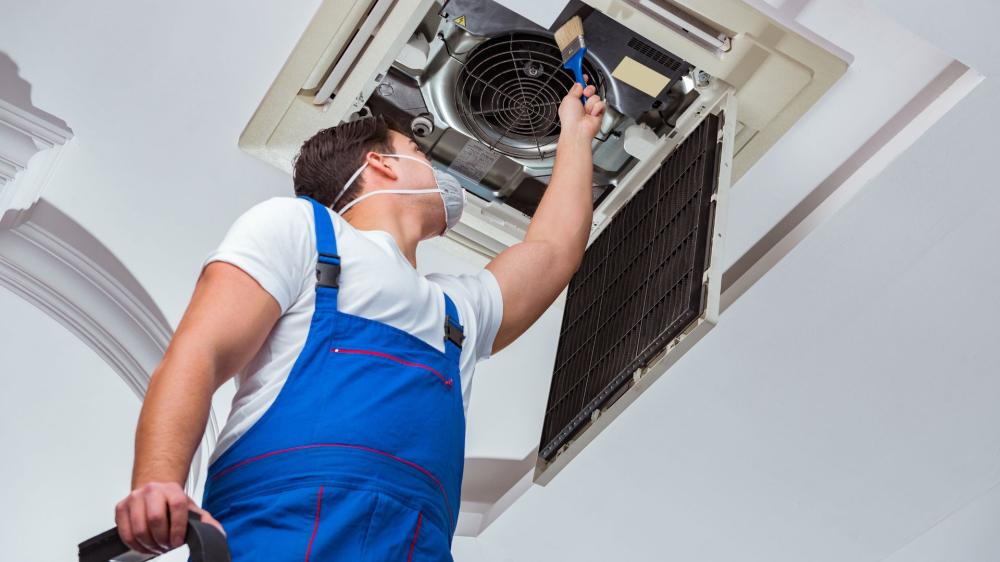
How Proper Sizing Impacts Efficiency
An oversized system may short cycle, causing uneven temperatures and excess humidity. An undersized system can run continuously, increasing energy use and stress on parts. Right-sizing considers the home’s layout, insulation levels, windows, and air leakage. Balanced sizing helps maintain steady temperatures, consistent humidity control, and quieter operation. It also supports better filtration, since air moves across filters at the rate the equipment was designed to handle.
Indoor Air Quality and Ventilation Basics
Indoor air quality is shaped by filtration, ventilation, and moisture control. High-quality filters with an appropriate rating for the equipment can capture common airborne particles without restricting airflow. Proper ventilation dilutes indoor pollutants, while sealing uncontrolled leaks helps the system deliver conditioned air where it’s needed. Moisture management is equally important; reducing excess humidity can limit microbial growth and help protect furnishings and finishes. Together, these steps encourage a cleaner, healthier living space and can enhance system performance by keeping coils and ductwork cleaner for longer.
Smart Thermostats and Zoning Considerations
Modern controls can optimize comfort by learning usage patterns and fine-tuning temperature schedules. Smart thermostats support features like adaptive recovery, which brings the home to setpoint efficiently before key times of day. Zoning divides a home into areas with distinct temperature needs, helping reduce hot and cold spots. When combined with well-sealed ductwork and balanced dampers, zoning can deliver targeted comfort without overworking the system. Clear, consistent schedules prevent unnecessary temperature swings that increase runtime and reduce comfort.
Seasonal Maintenance That Pays Off
Routine care keeps components clean, calibrated, and ready for seasonal demands. Addressing airflow, safety checks, and refrigerant parameters can help prevent small issues from becoming major repairs. Add these priorities to a recurring plan:
1) Replace or clean filters regularly to maintain airflow and protect indoor air quality.
2) Clear debris around outdoor units to support condenser airflow and heat transfer.
3) Inspect and seal accessible duct joints to reduce leakage and improve room-to-room balance.
4) Verify thermostat settings, schedules, and sensor placement for accurate control.
5) Keep supply and return vents open and unobstructed to ensure even distribution.
6) Check visible condensate drains for clogs and keep drain pans clean to prevent moisture issues.
7) Listen for unusual noises and note any new odors, then address them promptly.
Energy-Saving Habits and Home Upgrades
Small changes in daily habits and envelope improvements can reduce system strain. Shade sunny windows during peak hours to limit heat gain, and use ceiling fans to gently circulate air so the home feels comfortable at slightly higher summer setpoints. In cooler months, ensure weatherstripping is intact around doors and windows. Attic insulation and air sealing help the system maintain set temperatures with less effort, while properly placed interior doors can guide airflow for more uniform comfort.
When to Consult a Professional
Professional expertise is invaluable when comfort becomes inconsistent, utility bills rise unexpectedly, or equipment cycles more frequently than usual. Specialists can diagnose airflow imbalances, control conflicts, or component wear that may not be visible. They can also confirm that duct sizing, return placement, and registers align with the home’s layout. Early attention to performance changes often preserves equipment life and sustains comfort through the most demanding weather.
A thoughtful approach to heating and cooling brings together right-sizing, clean airflow, smart controls, and steady upkeep. With consistent care and sensible habits, a home can remain comfortable and efficient through every season.
Smart Strategies for Reliable Home Heating and Air Performance
A well-tuned heating and air system supports comfort, indoor air quality, and energy use across every season. Whether you manage a single-family home or a small office, the fundamentals remain the same: steady airflow, clean components, and controls that match your lifestyle. Thoughtful maintenance and smart upgrades reduce wear, improve performance, and help prevent surprise breakdowns when weather swings.
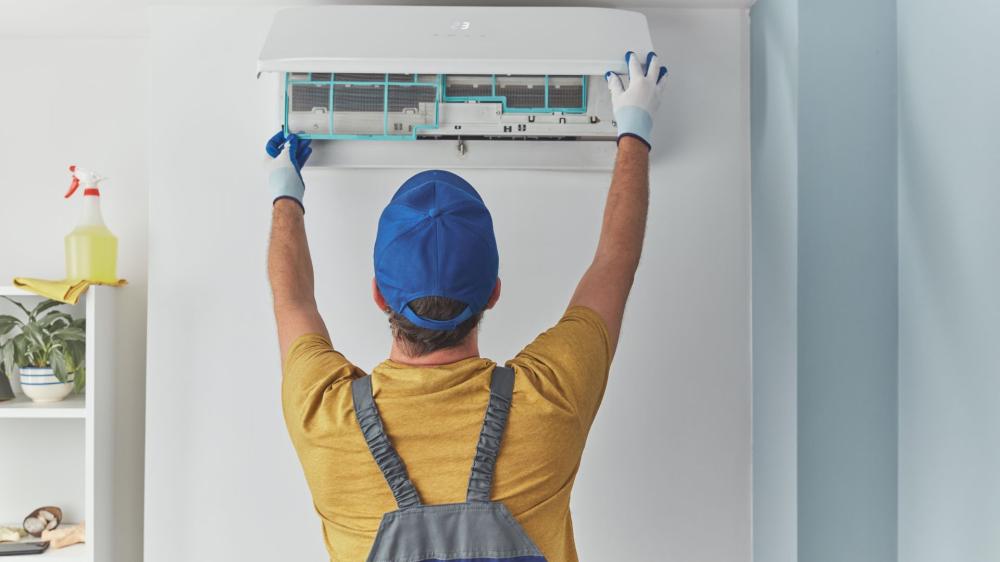
Understanding HVAC System Basics
Every system relies on balanced airflow, appropriate refrigerant charge, and cooperative components: thermostat, blower, coils, filter, and ducts. When any piece is out of sync, the entire system works harder. Keeping filters clean, coils free of buildup, and ducts sealed supports consistent temperatures and smooth operation. Simple habits, like allowing supply and return vents to breathe, also protect airflow and reduce strain on the blower motor.
Seasonal Maintenance Priorities
Seasonal upkeep ensures your system is ready before demand peaks. Spring is ideal for cooling checks; fall is prime time for heating readiness. Visual inspections catch minor issues early, and routine cleaning helps each component do its job. When you combine preventive steps with smart controls, you create a strong foundation for comfort and efficiency through heat waves and cold snaps alike.
Indoor Air Quality Matters
Comfort is more than temperature. Dust, pet dander, and outdoor particles can build up indoors, especially in tightly sealed buildings. Filters play a key role and should match your system’s airflow capabilities. Extras like humidity management and source control—addressing dust and moisture where they start—go a long way toward cleaner air. Balanced humidity, proper ventilation practices, and regular filter changes help your system deliver fresher, more comfortable air.
Smart Controls and Zoning
Modern thermostats offer scheduling, remote access, and learning features that trim wasted runtime. Zoning can help direct heating and cooling where it’s truly needed, addressing hot and cold spots without overworking the entire home. Even small control changes, like reasonable setpoints and gradual adjustments, reduce compressor and furnace cycling, extending equipment life while maintaining steady comfort.
When to Call a Professional
Some tasks are well suited to homeowners, while others are best left to trained technicians. Electrical diagnostics, refrigerant handling, combustion checks, and advanced airflow balancing require specialized tools and know-how. If you notice unusual noises, short cycling, persistent hot or cold rooms, or rising utility costs despite normal usage, it’s time for expert attention.
Key Steps for HVAC Care and Performance
1. Replace or clean filters on a regular schedule to protect airflow and indoor air quality.
2. Keep outdoor units clear of leaves, grass clippings, and debris to support heat exchange.
3. Inspect supply and return vents; keep them open and unobstructed by furniture or drapes.
4. Seal visible duct leaks with appropriate materials and ensure adequate insulation where needed.
5. Set realistic thermostat schedules and avoid frequent large temperature swings.
6. Clean around the indoor air handler and confirm the condensate drain is flowing properly.
7. Listen for new or unusual system sounds and address them before they become bigger issues.
8. Schedule seasonal tune-ups to evaluate safety, airflow, and overall system performance.
Putting It All Together
A proactive approach to heating and air care pays off in comfort, reliability, and steadier energy use. Start with airflow: clean filters, clear vents, and unobstructed outdoor units. Add seasonal tune-ups to verify safety, confirm refrigerant levels, and fine-tune performance. Support everything with smart controls and good indoor air quality practices, including ventilation and humidity balance. With consistent attention to these fundamentals, your system can deliver dependable comfort through changing seasons while working smoothly behind the scenes.
