The Homeowner’s Guide to Reliable Heating and Air Comfort Year-Round
A well-tuned heating and air setup doesn’t just keep temperatures comfortable; it also supports healthy indoor air and consistent energy use throughout the seasons. From filter choices to airflow design, many small decisions add up to a smoother, quieter system. With a few practical habits and timely upgrades, homeowners can extend equipment life, reduce strain on components, and enjoy steadier comfort in every room.
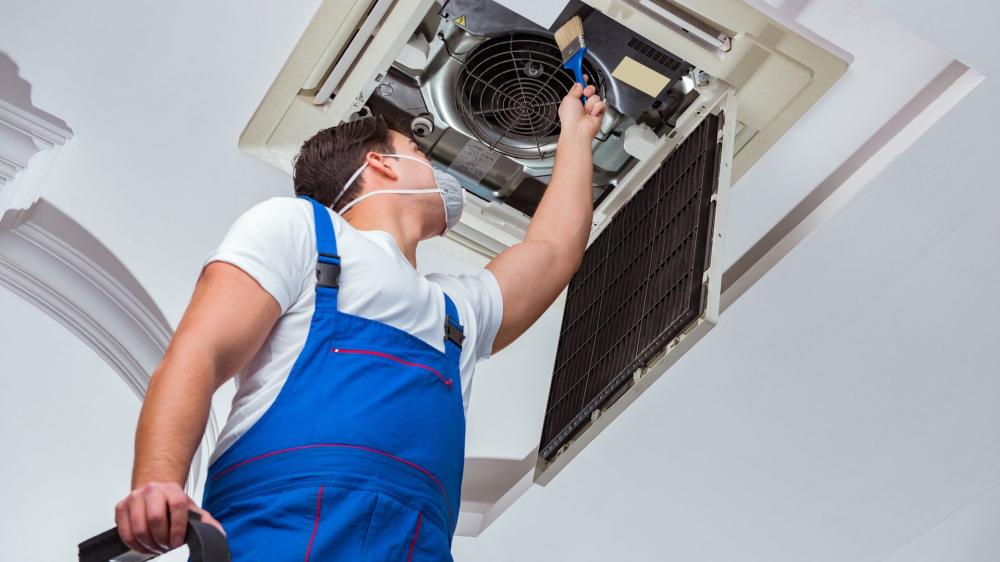
Preventive Maintenance Pays Off
Routine care is the backbone of dependable heating and cooling. A clean blower, properly calibrated thermostat, and refrigerant levels within manufacturer specifications can help the system operate as intended. Professional technicians inspect safety controls, electrical connections, and drainage to catch minor issues before they snowball into inconvenient breakdowns. Between visits, homeowners can keep outdoor units free of leaves and debris, make sure return grilles aren’t blocked by furniture, and listen for new noises that may signal wear.
Airflow and Filtration Basics
Airflow is the lifeblood of an HVAC system. Clogged filters, pinched flex duct, or closed registers can force equipment to work harder than necessary. Selecting the right filter matters: high-efficiency filters can capture more particles, but they also add resistance. Match filtration to your household’s needs and check filters regularly for dust loads. Balanced airflow improves comfort, helps even out temperatures between floors, and supports cleaner indoor air by keeping circulation steady through the home.
Smarter Controls for Efficiency
Thermostats do more than set temperatures; they guide the system’s rhythm. Thoughtful scheduling can ease the workload while you’re away and restore comfort before you return. In homes with variable occupancy, zoning can tailor heating and cooling to specific areas, reducing waste in seldom-used rooms. Even without advanced controls, consistent settings, moderate set-backs, and gentle fan operation can create a stable environment that avoids sudden demand spikes.
Ducts, Vents, and Room Balance
Duct design and condition have a direct impact on performance. Leaky joints, crushed runs, or poorly insulated sections can rob rooms of the air they need. Periodic assessments of ducts and registers often reveal quick wins: sealing gaps, restoring damaged sections, and adjusting dampers to correct pressure differences. Good return-air pathways are just as important as supply vents; when air can flow back freely, equipment maintains temperature more easily and noise levels tend to drop.
Seasonal Checklist for Optimal Performance
1. Replace or clean filters on a regular schedule that fits household habits and dust levels.
2. Clear a two- to three-foot area around outdoor units to ensure steady airflow and easier service access.
3. Inspect supply and return vents; open, clean, and keep them unobstructed for even room temperatures.
4. Verify thermostat schedules and modes before each season change to avoid overcooling or overheating.
5. Check visible ductwork for loose connections or damage and address issues promptly.
6. Confirm that condensate drains are flowing and pans are clean to prevent moisture problems.
Equipment Lifespan and Upgrade Signals
Every system reaches a point where repairs no longer deliver consistent comfort. Frequent cycling, rising utility usage despite similar habits, and rooms that never quite feel right can indicate declining efficiency. Upgrades that match a home’s size and insulation level often deliver quieter operation and steadier temperatures. When considering new equipment, look at total system design—duct condition, ventilation needs, and controls—so the investment supports long-term comfort and reliability.
A steady approach to care, airflow, and controls keeps heating and cooling dependable through hot spells and cold snaps alike. With attention to the basics and timely professional help, homeowners can avoid surprises, sustain performance, and enjoy a comfortable, healthy home in every season.
Staying Comfortable and Efficient: What to Know About Today’s Heating and Air Systems
When temperatures swing from chilly mornings to warm afternoons, a dependable heating and air system keeps comfort steady without driving up energy use. Today’s equipment is designed to balance performance, reliability, and indoor air quality, but the true results come from smart choices about sizing, maintenance, and controls. A thoughtful approach can extend system life, stabilize monthly bills, and improve the way your home or building feels day to day.
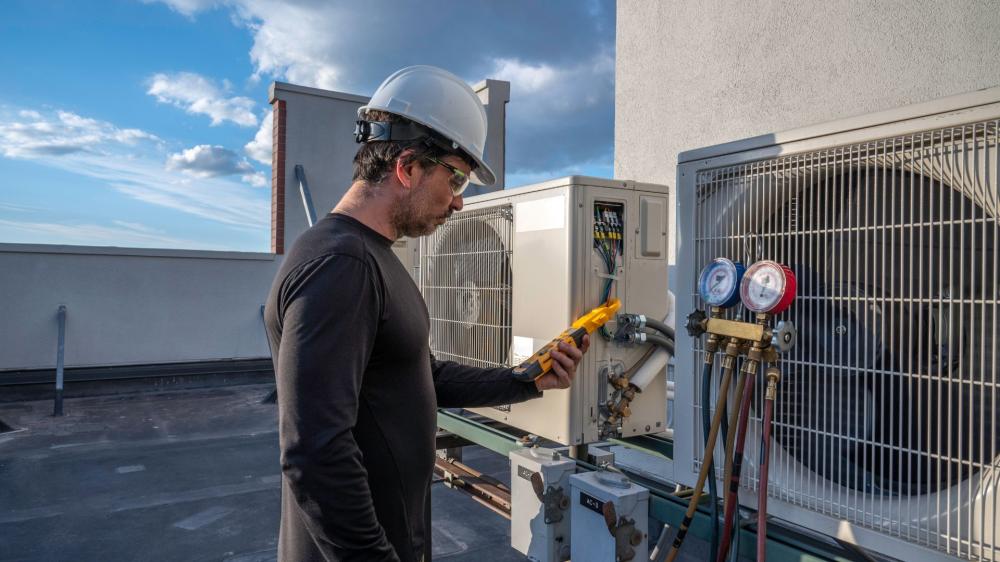
How System Sizing Impacts Comfort
Proper sizing is essential. An undersized system runs longer and struggles to meet demand, while an oversized unit cycles on and off too quickly. That short cycling can lead to uneven temperatures, more wear on parts, and humidity swings that make rooms feel clammy or dry. Right-sized equipment paired with well-sealed ducts keeps airflow consistent and reduces hot and cold spots. If comfort varies from room to room, it’s often a sign to evaluate airflow, duct condition, and whether the system’s capacity matches the space.
Maintenance That Makes a Difference
Regular upkeep supports efficiency and reliability across the heating and air spectrum. Clean filters help maintain steady airflow and protect the blower and coil from dust and debris. Seasonal checks of refrigerant levels, electrical connections, and safety controls catch small issues before they grow into unexpected breakdowns. Keeping outdoor units clear of leaves and obstructions allows proper heat exchange, while inspecting condensate drains prevents moisture backups that can affect air quality and finishes.
Indoor Air Quality Matters
Comfort isn’t just about temperature. Good indoor air quality depends on filtration, humidity control, and ventilation. Upgrading to high-quality filters, when compatible with your system, captures more airborne particles without overly restricting airflow. Balanced humidity supports respiratory comfort and protects woodwork and furnishings. In some homes and buildings, adding controlled ventilation helps reduce stale air and odors while supporting a steady supply of fresh air.
Smarter Controls and Zoning
Today’s controls make it easier to fine-tune comfort and manage energy use. Programmable and smart thermostats adapt to schedules, prevent unnecessary runtime, and offer insights into system performance. Zoning separates areas into distinct temperature groups so frequently used spaces get priority while rarely used rooms aren’t over-conditioned. Together, these tools help align comfort with how a space is actually used, reducing waste and wear.
A Practical Checklist for Better HVAC Performance
1. Replace or clean filters on a regular schedule to protect airflow and reduce strain on the system.
2. Keep supply and return vents clear of furniture, rugs, and drapes to maintain balanced circulation.
3. Trim vegetation around outdoor units to ensure at least a few feet of open space for proper heat exchange.
4. Seal and insulate ducts where accessible to limit energy loss and improve temperature consistency.
5. Use a programmable or smart thermostat to match temperature settings with daily routines.
6. Address unusual sounds, odors, or short cycling promptly to prevent minor issues from becoming major repairs.
7. Consider professional evaluations before major renovations to confirm that capacity and ductwork remain appropriate.
When to Consider an Upgrade
Equipment that struggles to keep up, requires frequent repairs, or uses outdated technology may be a candidate for replacement. Modern systems often provide quieter operation, better humidity control, and improved comfort at lower energy use when properly matched to the space and installed with careful attention to airflow. Evaluating the condition of ductwork, insulation, and building envelope at the same time amplifies the benefits of a new system.
