Smarter Home Comfort Planning for Winchester Households
1. Understand how modern heat pumps work
Heat pumps move heat rather than generate it, making them an energy-conscious option for year-round comfort. In summer, they pull heat out of indoor air; in winter, they draw heat from outdoor air and concentrate it inside. Today’s variable-speed compressors and smart controls help maintain steady temperatures with fewer drafts and quieter operation. Knowing these fundamentals helps you choose equipment and settings that align with your home’s layout and comfort expectations.
2. Match system capacity to the home’s real load
Right-sizing is essential. An oversized unit will short-cycle, causing temperature swings and unnecessary wear, while an undersized system may struggle on the hottest or coldest days. A professional load calculation factors in square footage, insulation levels, window orientation, air leakage, and occupancy patterns. Avoid rules of thumb; instead, seek a tailored assessment that accounts for the unique characteristics of your property, including room-by-room distribution needs.
3. Prioritize building envelope improvements
Before selecting equipment, consider sealing air leaks and boosting insulation where practical. A tighter envelope reduces heat loss in winter and heat gain in summer, allowing a properly sized heat pump to operate more efficiently and comfortably. Small upgrades—like weatherstripping, duct sealing, and attic insulation—can improve performance, help stabilize indoor temperatures, and enhance the overall experience once your system is operating.
4. Evaluate ducted versus ductless configurations
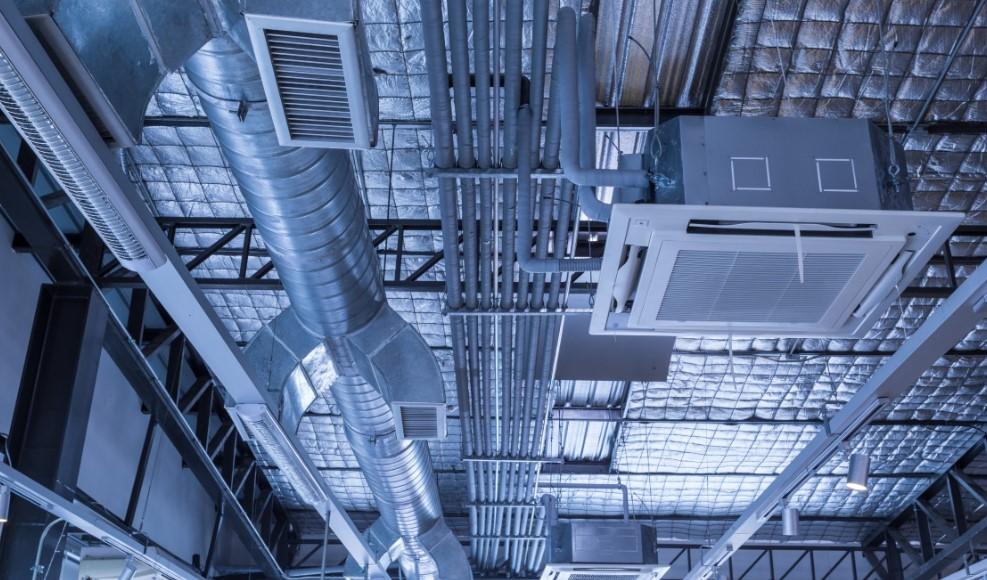
Homes with existing ductwork may benefit from a ducted setup that uses current supply and return pathways, assuming ducts are well-sealed and balanced. Homes without ducts—or spaces like additions, finished basements, and sunrooms—often suit ductless solutions that provide zoned temperature control. Zoning can reduce energy waste by conditioning only the areas that are in use, while also addressing hot and cold spots with targeted airflow and capacity.
5. Consider controls that enhance comfort and savings
Smart thermostats and integrated controls can fine-tune how a heat pump operates through scheduling, temperature limits, and intelligent setbacks. Look for features like geofencing and humidity management that adapt to real-life routines. Proper control strategies can help maintain consistent comfort, especially during shoulder seasons when mild outdoor temperatures allow a heat pump to run at its most efficient levels.
6. Plan for cold-weather performance
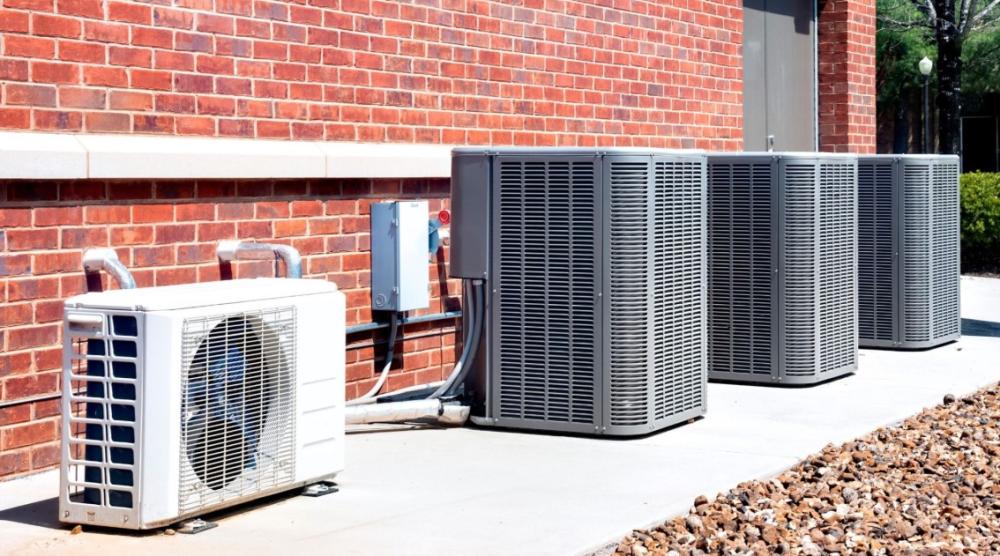
Local winters can include stretches of brisk conditions, so it’s important to consider low-ambient capabilities. Some systems maintain dependable output in colder weather with advanced compressor technologies and enhanced refrigerant cycles. Attention to defrost strategies, outdoor unit placement with clear airflow, and good drainage helps ensure reliability. Thoughtful design choices—like shielding the outdoor unit from prevailing winds while preserving ventilation—can improve winter performance.
7. Keep airflow and filtration top of mind
A heat pump relies on unobstructed airflow to absorb and release heat. Clean filters, open supply registers, and clear outdoor coils are foundational. Inside, consistent static pressure helps equipment run quietly and efficiently. Outside, ensure vegetation, fencing, and snow do not block intake and exhaust pathways. Maintaining airflow supports stable temperatures, quieter operation, and greater system longevity.
8. Weigh lifecycle considerations
Beyond the initial purchase, think through operating costs, maintenance routines, and service accessibility. A well-matched, well-installed system often pays dividends in comfort and durability over time. Documenting model numbers, filter sizes, and maintenance intervals simplifies future care. Upfront planning can also make it easier to adapt the system later, whether you add a room, finish a basement, or adjust airflow to resolve a persistent hot spot.
9. Focus on quality workmanship and commissioning
The difference between a decent system and a great one often comes down to installation practices and commissioning. Attention to refrigerant charge, line set routing, condensate management, electrical safety, and control calibration is critical. Proper testing, like verifying airflow, balancing ducts, and confirming thermostat staging, helps ensure the system delivers on its potential from day one.
10. Think local for seamless coordination
Homes and weather patterns vary by neighborhood, so local experience matters when planning equipment selection and layout. Local familiarity supports nuanced decisions about placement, noise considerations, and seasonal performance expectations tailored to the area’s housing styles. When your project involves coordination with other trades—like electricians or insulation professionals—local know-how can streamline the process and help you hit comfort goals more smoothly.
For homeowners planning or researching heat pump solutions locally, placing attention on the details—from load calculations and envelope improvements to airflow and commissioning—can deliver a quieter, more consistent, and more efficient indoor environment. When considering next steps, many residents look to schedule or learn more about heat pump installation Winchester as part of a broader plan to elevate comfort throughout the seasons.
Winter Readiness and Efficient Heating: Insights on furnace repair Winchester
1. Seasonal tune-ups prevent emergencies
When the cold sets in, heating systems work harder and small issues can quickly become big problems. A seasonal tune-up helps identify worn components, airflow restrictions, and safety concerns before they disrupt comfort. Routine care keeps blowers clean, burners adjusted, and electrical connections secure. A well-planned schedule minimizes surprise breakdowns and reduces stress on the equipment. If a unit still falters under heavy winter demand, timely attention through **furnace repair Winchester** can restore safe, dependable operation without unnecessary delays.
2. Recognize early warning signs
Strange noises, short cycling, cold spots, stale odors, or rising utility bills often signal impending trouble. Uneven heating may point to duct leaks or clogged filters. A burner that struggles to ignite or flames that appear yellow rather than steady blue can indicate combustion or ventilation issues. Ignoring these signs can compromise efficiency and safety. Acting early, especially during peak-use months, ensures your system receives the right care. Swift action with experienced technicians familiar with furnace repair Winchester helps prevent minor concerns from escalating into costly breakdowns.
3. Airflow is fundamental
Good airflow is the backbone of reliable heating. Dirty filters choke circulation, adding strain to motors and heat exchangers. Closed or obstructed supply and return vents can create pressure imbalances and temperature swings from room to room. Even furniture placement can impact performance. Replace or clean filters as recommended by the manufacturer and ensure that vents are open and clear. In many cases, resolving airflow issues yields noticeable comfort gains and reduces the need for frequent service calls during the coldest weeks.
4. Safety checks protect homes
Combustion appliances require sound safety measures. Flue blockages, cracked heat exchangers, or malfunctioning sensors can allow dangerous byproducts to linger. Regular checks of ignition systems, flame sensors, pressure switches, and venting components are essential. Carbon monoxide alarms add a significant layer of protection; test them routinely and replace batteries on schedule. A careful inspection also confirms that gas lines, valves, and electrical connections remain secure under winter loads. If a red flag appears, professional diagnostics and **furnace repair Winchester** deliver focused solutions that prioritize household safety.
5. Thermostat strategy saves energy
Smart thermostat settings can reduce waste and maintain comfort. Set appropriate temperatures for occupied hours and modest setbacks when the space is empty or at night. Excessive swings force equipment to work harder than necessary. Calibrate the thermostat if the readings seem off and ensure the device isn’t placed near heat sources or drafts that distort measurements. Programmable or connected thermostats help fine-tune schedules, but even simple adjustments can lead to steady warmth and lower strain on the system throughout the season.
6. Ductwork deserves attention
Leaky or poorly insulated ducts allow heated air to escape before it reaches living spaces, leading to persistent cold rooms and higher energy use. Inspect accessible duct runs for gaps, damaged insulation, or loose connections. Sealing and insulating key sections can significantly improve delivery, especially for homes with longer runs to distant rooms. Balanced airflow across the system ensures each register receives its fair share, improving comfort and reducing the temptation to overwork the furnace on frigid days.
7. Filter and component longevity
Filters, belts, bearings, and ignitors experience wear over time. Following the manufacturer’s maintenance intervals helps extend the lifespan of these parts. Choose filter ratings appropriate to your system’s capabilities; overly restrictive filters can reduce airflow and efficiency. Lubrication and alignment keep moving components running smoothly. Proactive part replacement during routine service can prevent midseason failures, keeping homes warm and stable when temperatures dip.
8. Prepare for extreme cold
Winter storms and cold snaps test every heater. Keep a simple readiness plan: stock spare filters, confirm outdoor vents are clear of snow and debris, and verify that power supplies and emergency shutoffs are accessible. If performance drops sharply or the system won’t run, shut it down safely and call for help. Fast, accurate diagnostics and targeted furnace repair Winchester restore comfort quickly and reduce the risk of secondary damage brought on by repeated short cycling or overheating.
A thoughtful approach to maintenance, early detection, and safety helps ensure dependable heat throughout the season. With practical habits and timely professional support, homes can stay comfortable, efficient, and protected no matter how harsh the winter becomes.
