Smart Strategies Homeowners Should Know About Today’s HVAC Contractors
Heating and cooling systems do more than regulate temperature; they safeguard comfort, protect indoor air quality, and help manage energy use. Working with a qualified HVAC contractor can make the difference between a system that struggles and one that runs smoothly through seasonal swings. From preventive maintenance to thoughtful system selection, today’s best practices focus on long-term performance, safety, and cost control without cutting corners.
Why Proactive Maintenance Matters
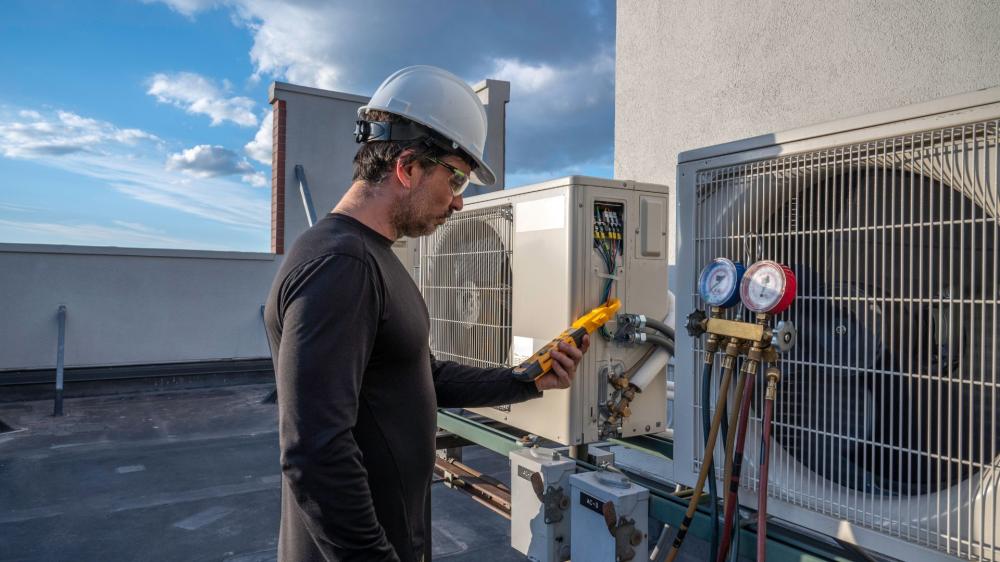
Planned maintenance keeps equipment operating within manufacturer specifications and helps prevent small issues from becoming disruptive outages. Routine inspections allow a technician to catch wear, airflow restrictions, and control problems before they cascade into bigger repairs. When filters stay clean and airflow is balanced, systems cycle correctly and deliver steadier temperatures. Just as importantly, proactive care supports warranty compliance and preserves efficiency that might otherwise slip due to neglected components.
What To Expect During a Service Visit
A thorough visit prioritizes safety, performance, and homeowner communication. Clear expectations help you recognize quality workmanship and build confidence in your contractor’s process. Detailed assessments, transparent findings, and practical recommendations turn a routine appointment into a roadmap for greater comfort and reliability throughout the year.
1) Safety checks: Technicians verify electrical connections, test system safeties, and confirm proper operation to reduce risk and ensure stable performance.
2) Airflow review: They inspect filters, registers, returns, and duct conditions to confirm that supply and return paths support efficient, quiet operation.
3) Thermostat and controls: Settings and calibration are checked to align with your comfort preferences and system capabilities.
4) Refrigerant and heating performance: Measurements and functional tests verify that the equipment is operating within acceptable parameters.
5) Documentation and guidance: You receive clear notes on current condition, any issues found, and practical next steps so you can make informed decisions.
Indoor Air Quality Considerations
Comfort depends on more than temperature. Stale air, excess dust, and unmanaged humidity can undermine how a space feels and functions. Attention to filtration and ventilation helps dilute indoor contaminants while supporting consistent airflow. In many homes, improving air distribution can reduce hot and cold spots, ease system strain, and create a fresher indoor environment. Right-sizing filter media and sealing obvious duct leaks are straightforward steps that can yield noticeable everyday benefits.
Energy Efficiency and System Sizing
Efficiency is a system-wide result, not a single feature. Proper sizing, balanced ducts, and well-tuned controls all contribute to real-world performance. Oversized equipment may short-cycle and struggle with moisture control, while undersized systems can run continuously and still fall short on comfort. A careful assessment of the home’s layout, insulation, windows, and usage patterns informs recommendations that fit your space rather than forcing your space to fit the equipment. Small adjustments like correcting airflow or updating control strategies can complement larger upgrades for a balanced path to savings.
Choosing the Right Contractor
Selecting a contractor is as important as selecting equipment. Look for proven processes, clear communication, and a commitment to ongoing education. A contractor who listens closely, explains options, and stands behind their work helps ensure that your system performs consistently, season after season. Ask how they handle load calculations, verify airflow, and document their findings. These details signal a focus on precision rather than shortcuts, translating into fewer surprises and more comfortable days at home.
In the end, an HVAC contractor’s value shows up in day-to-day comfort, quieter operation, and lower stress when weather shifts. With proactive maintenance, attention to indoor air quality, and a thoughtful approach to sizing and verification, homeowners can enjoy reliable performance and make choices that pay off over time.
How Pro HVAC Contractors Keep Homes Comfortable and Efficient Year-Round
A dependable HVAC system does more than heat and cool; it balances comfort, air quality, and energy use. Behind that balance is a skilled contractor who understands building science, equipment capabilities, and the realities of changing weather. From careful load calculations to fine-tuned airflow, the right approach keeps systems reliable and utility bills predictable, without guesswork or shortcuts.
Smart System Design Starts with the Home
Before any installation or major upgrade, a contractor evaluates the home as a system. Insulation levels, window orientation, duct layout, and air leakage all influence performance. When equipment is sized to match the home’s true heating and cooling needs, it avoids short cycling, improves humidity control, and extends service life. Good design also plans for future upgrades, like zoning or ventilation improvements, so the system can evolve with the home.
Maintenance: The Backbone of HVAC Performance
Routine maintenance is the most cost-effective way to protect comfort and equipment health. A seasonal tune-up addresses wear, cleans critical components, and catches small issues before they become big repairs. Consistent care supports steady temperatures, quieter operation, and healthier indoor air. It also preserves manufacturer warranties when applicable, since many require documented service at regular intervals.
Energy Efficiency Beyond the Equipment
High-efficiency components are only part of the equation. Proper airflow, sealed ductwork, and accurate refrigerant charge make or break real-world efficiency. Smart thermostats and simple habit changes, like reasonable setpoints and scheduled setbacks, help systems work with the home rather than against it. When advising on upgrades, contractors often prioritize improvements that deliver noticeable comfort gains alongside energy savings, such as duct sealing, filtration upgrades, or variable-speed air handlers.
Indoor Air Quality and Ventilation Essentials
Comfort includes the air you breathe. Filtration, humidity control, and fresh air exchange are core to a healthy home. Right-sized filters, properly sealed returns, and balanced ventilation reduce dust, allergens, and stale air. In certain homes, targeted solutions like enhanced filtration or whole-home dehumidification can stabilize humidity and support both comfort and system longevity.
What to Expect During a Professional HVAC Visit
1) System inspection: Technicians assess equipment condition, controls, safety components, and visible ductwork to establish a performance baseline.
2) Airflow verification: Measuring static pressure and checking blower settings ensures each room receives consistent, balanced air.
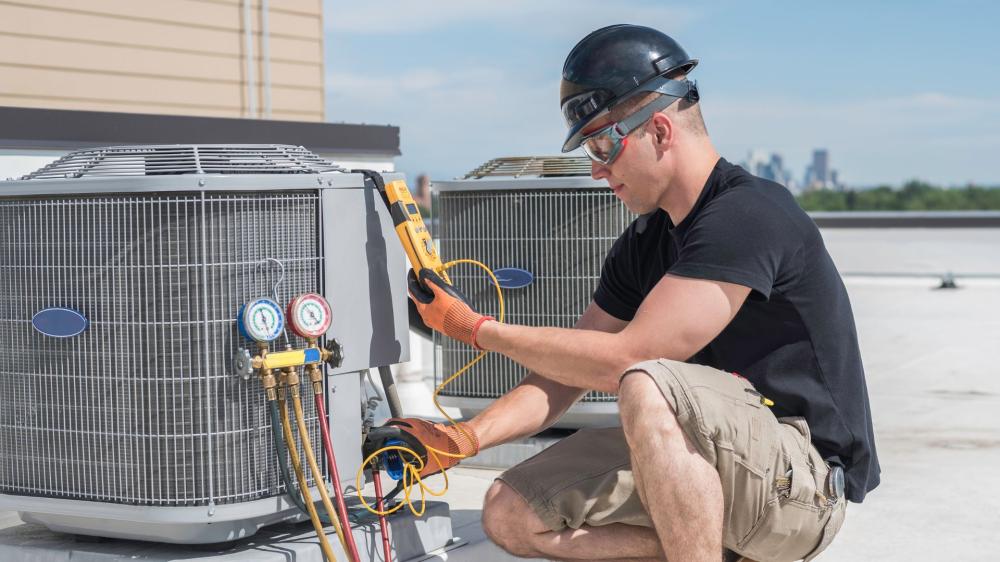
3) Refrigerant and temperature checks: Proper charge and temperature splits help maintain efficiency and prevent undue strain on components.
4) Electrical and mechanical review: Connections are tightened, motors and bearings are examined, and wear items are evaluated for reliability.
5) Cleaning critical components: Coils, drain lines, and burners (where applicable) are cleaned to sustain efficient heat transfer and drainage.
6) Thermostat calibration: Settings and schedules are reviewed to align with comfort goals and daily routines.
7) Recommendations: Clear, prioritized guidance helps plan repairs, upgrades, or future improvements without pressure.
Adapting to Evolving HVAC Standards
HVAC technology and best practices continue to evolve, especially around refrigerants, efficiency benchmarks, and airflow diagnostics. Contractors stay current with codes, safety protocols, and manufacturer guidance to deliver solutions that are both practical and future-ready. This ongoing training shows up in better troubleshooting, smarter retrofit strategies, and equipment that performs as intended.
Planning Ahead for Seasonal Demands
Seasonal peaks can strain systems and schedules. Planning maintenance before extreme weather helps avoid breakdowns and long wait times. Simple homeowner habits—like keeping outdoor units clear of debris, replacing filters on schedule, and noting unusual noises or smells—support reliable operation. When the busy season arrives, a well-maintained system is far more likely to keep pace.
The Bottom Line on Lasting Comfort
Home comfort is a partnership between thoughtful design, careful installation, and consistent maintenance. When airflow is balanced, ducts are tight, and controls are dialed in, equipment can deliver even temperatures, healthier air, and efficient operation. With the right contractor guiding choices big and small, homeowners can enjoy steady comfort through every season while protecting their investment for the long haul.
