Introduction
The HVAC industry stands at a pivotal moment as homes and businesses demand greater comfort, lower energy use, and improved indoor air quality. From connected thermostats to variable-speed compressors and enhanced filtration, modern solutions are reshaping how systems are specified, installed, and maintained. Success today depends on designing for the whole building, integrating smart controls, and prioritizing reliability over the long term.
Emerging Technologies
Innovation continues to elevate performance while reducing energy draw. Inverter-driven compressors modulate output to match real-time demand, trimming temperature swings and strain on equipment. Heat pump technology now serves efficiently across diverse climates, offering year-round heating and cooling with a single system. Zoning strategies balance comfort across rooms with distinct usage patterns, while advanced duct design helps minimize pressure losses that undermine system capacity.
Indoor Air Quality Priorities
Comfort is no longer only about temperature. Indoor air quality has become a central consideration, with attention to filtration, ventilation, and humidity control. Right-sized filtration captures airborne particles without starving airflow, while balanced ventilation helps dilute indoor pollutants. Humidity management supports both health and material longevity, discouraging mold growth and preventing overly dry conditions that can cause discomfort. Together, these measures build a healthier, more resilient indoor environment.
Smart Maintenance and Reliability
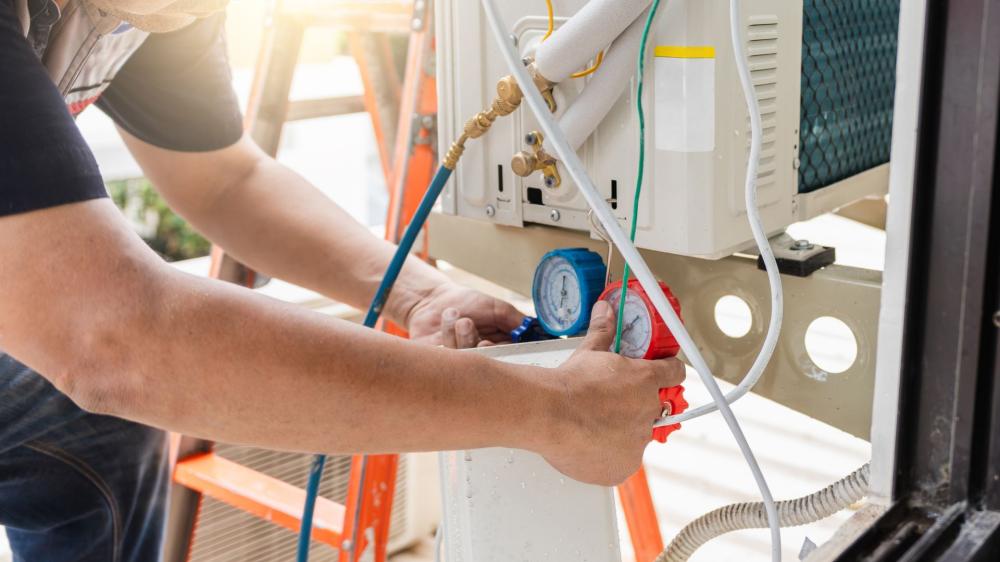
Predictive and preventive maintenance are transforming system reliability. Connected sensors and controls can flag performance deviations early, providing data that guides timely service before comfort is compromised. Routine tune-ups, coil cleanings, and airflow verification preserve efficiency and safeguard warranties. Thoughtful installation practices—proper refrigerant charge, duct sealing, and verified static pressure—matter as much as the equipment itself for achieving expected performance.
Sustainability and Evolving Standards
Sustainability drives decision-making in equipment selection and building design. Lower-global-warming-potential refrigerants are gaining ground, reflecting an industry-wide push to reduce environmental impact. High-efficiency systems not only trim utility bills but also support broader sustainability goals when paired with building envelope improvements. As standards evolve, attention to code compliance, safe refrigerant handling, and proper disposal practices remains essential for both safety and stewardship.
What to Consider When Planning an Upgrade
1) Right-sizing: Accurate load calculations ensure equipment capacity aligns with the building, preventing short cycling, poor dehumidification, and premature wear.
2) Ductwork integrity: Sealed, properly sized ducts support airflow, reduce energy loss, and deliver consistent temperatures throughout the space.
3) Controls and zoning: Smart thermostats and zoning strategies tailor comfort to occupancy patterns while reducing unnecessary runtime.
4) Filtration and ventilation: A balanced approach to air cleaning and fresh air exchange supports health without sacrificing efficiency.
5) Total cost of ownership: Weigh efficiency ratings, maintenance needs, and expected lifespan to evaluate long-term value instead of focusing only on initial price.
6) Installation quality: Commissioning, charge verification, and airflow testing are critical steps that influence real-world performance.
7) Future flexibility: Consider service access, upgrade paths, and compatibility with evolving refrigerants and control technologies.
Adapting to Regional Needs
Local climate, building codes, and utility incentives influence system choice and design. In humid regions, strong dehumidification and duct sealing are priorities. In colder areas, heat pump configurations and backup strategies may be evaluated to ensure comfort during temperature dips. Utility programs can encourage higher-efficiency selections, and thoughtful design can align these opportunities with occupant comfort goals.
Conclusion
The HVAC landscape is rapidly advancing, with smarter controls, cleaner air strategies, and higher-efficiency equipment defining best practices. By focusing on right-sized systems, quality installation, and a holistic view of building performance, property owners can achieve reliable comfort and meaningful energy savings. With careful planning and proactive maintenance, modern solutions are ready to deliver dependable comfort today while laying the groundwork for a more sustainable future.
Smarter Comfort: Emerging HVAC Trends Homeowners Should Watch
Why HVAC Is Evolving Right Now
HVAC is in a pivotal moment as homeowners and building managers push for better comfort, lower utility bills, and improved indoor air quality. Advances in equipment, controls, and design are converging, making it possible to achieve consistent temperatures while using less energy. At the same time, extreme weather patterns and changing building codes are encouraging systems that are both resilient and adaptable.
Energy Efficiency Starts With the Right System Design
A well-performing HVAC system begins with proper sizing and thoughtful ductwork. Oversized units short-cycle and waste energy, while undersized ones run constantly and still struggle to meet demand. Modern equipment offers variable-speed compressors and fans that match output to real-time needs, smoothing out temperature swings and cutting noise. Sealed, balanced ducts and adequate return air further enhance airflow, helping every room feel evenly conditioned.
Smart Controls Make Comfort Predictable
Connected thermostats and zoning controls are redefining convenience. Instead of a single setpoint for the entire home or office, zoning delivers precise temperatures for different areas based on use and occupancy. Remote access via secure apps allows fine-tuning schedules and settings without being on-site. Over time, smart controls can learn patterns and automate small adjustments that add up to meaningful comfort and efficiency gains.
Indoor Air Quality Moves to Center Stage
Indoor air quality matters as much as temperature. Filtration, ventilation, and humidity management are the three pillars of healthier air. High-quality filters capture particulates, while balanced ventilation exchanges stale indoor air for fresh outdoor air without sacrificing comfort. Proper humidity helps protect wood finishes, reduces the chance of mold growth, and supports respiratory comfort. In many climates, a combination of dehumidification during warm seasons and controlled humidification in cooler months yields the best results.
Practical Steps to Upgrade Your System
Moving toward a more efficient, reliable, and healthy HVAC setup doesn’t have to be overwhelming. Start with achievable steps and build from there.
1) Schedule a professional load calculation to confirm correct system sizing. This ensures equipment and ducts match the building’s actual heating and cooling needs.
2) Consider variable-speed equipment to improve comfort, reduce sound, and better modulate output during mild weather.
3) Install a smart thermostat and, where appropriate, zoning dampers to customize temperatures in different areas based on occupancy.
4) Improve filtration with the highest efficiency your system can support without restricting airflow; pair with regular filter changes.
5) Seal and insulate ducts, especially in attics or crawlspaces, to prevent energy loss and uneven air distribution.
6) Address ventilation with balanced solutions that exchange stale air for fresh air while managing heat and moisture.
7) Set up a maintenance plan that includes coil cleaning, refrigerant checks, airflow verification, and electrical inspections.
Maintenance Is the Unsung Hero
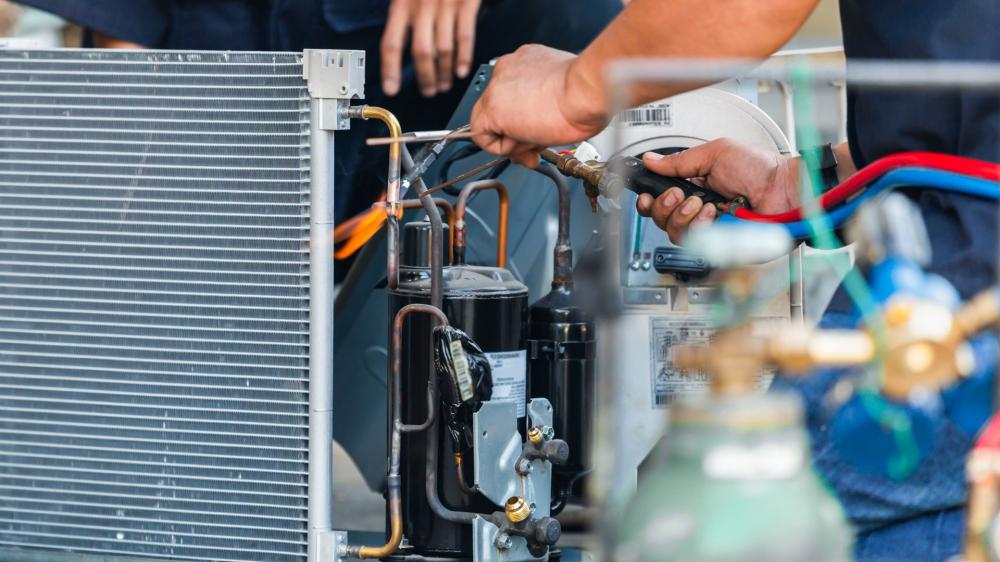
Consistent maintenance protects your investment and helps systems run as designed. Cleaning coils supports heat exchange, while checking refrigerant levels and airflow prevents performance issues that can drive up energy use. Verifying electrical connections reduces the risk of nuisance shutdowns. Routine visits also catch small problems before they become disruptive repairs, keeping comfort steady across seasons.
Planning Ahead Pays Off
Whether you’re retrofitting an older building or planning a new one, it pays to think holistically. Pair efficient equipment with a tight building envelope, right-sized ducts, and smart controls. Consider the local climate, occupancy patterns, and IAQ priorities when selecting components. The result is a balanced, future-ready HVAC system that’s comfortable, quiet, and easier on your utility bills.
A thoughtful approach—centered on design, controls, air quality, and upkeep—sets the stage for reliable, efficient comfort year-round.
