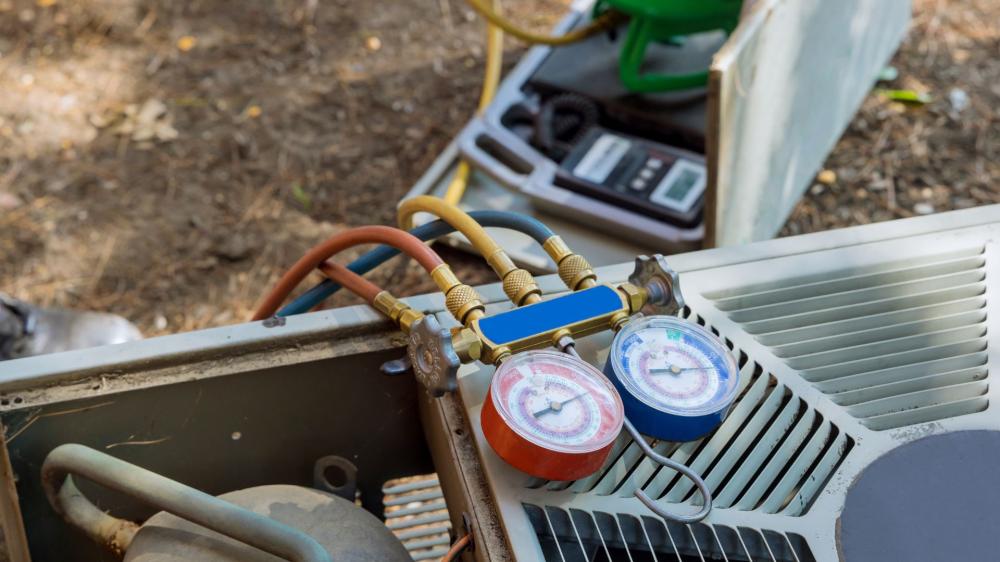
Home maintenance is no longer a once-a-year checklist. The home services industry is evolving into a year-round, tech-enabled, customer-first ecosystem that prioritizes safety, efficiency, and responsiveness. From smarter scheduling to preventative maintenance, homeowners now expect seamless experiences and reliable workmanship delivered with clear communication and transparent practices.
What Homeowners Expect Now
Today’s homeowners want timely arrivals, clear estimates, and proactive guidance on upkeep. They value providers who educate them on best practices and set honest expectations about timelines and potential fixes. Responsiveness, consistency, and follow-through are now baseline requirements. Flexible appointment windows and straightforward service scopes help reduce stress and build trust from the first interaction.
Technology Driving Better Outcomes
Digital tools are changing how work gets done, from initial inquiry to final walkthrough. Online booking and reminders help prevent delays. Mobile diagnostics, documentation, and service notes enable accurate recommendations and smoother approvals. Smart-home integrations also play a growing role, allowing technicians to evaluate issues more precisely and suggest targeted upgrades. These capabilities support a more efficient visit and a better experience overall.
Preventative Care Over Emergency Fixes
Proactive maintenance is steadily outpacing reactive repairs. Homeowners increasingly recognize that small, routine checkups can prevent costly downtime and extend the life of critical systems. Regular inspections, seasonal tune-ups, and safety assessments keep equipment running as intended and help identify minor issues before they escalate. This approach supports comfort, safety, and long-term budget planning.
Safety and Professional Standards Matter
Clear safety procedures, proper licensing, and adherence to local codes are core expectations. Reputable providers follow established protocols, document findings, and communicate what was done and why it matters. Respectful worksite practices—like protective coverings and tidy cleanups—contribute to a positive experience and demonstrate a commitment to the home’s well-being.
Seasonal Maintenance Checklist for a Smoother Year
A practical plan helps homeowners stay ahead of the curve. Consider this simple, year-round roadmap:
1) Schedule seasonal system inspections to verify performance and catch wear-and-tear early.
2) Replace or clean filters and ensure vents and returns are unobstructed to support efficient airflow.
3) Test safety devices, including alarms and shutoffs, to confirm proper operation.
4) Inspect weatherstripping, caulking, and seals to improve comfort and reduce strain on equipment.
5) Clear debris around exterior units and ensure adequate clearance for ventilation.
6) Document service visits, parts replaced, and recommendations to inform future decisions.
7) Address minor concerns promptly to prevent larger, more disruptive issues later on.
Communication Is the Differentiator
Transparent communication builds confidence. Homeowners appreciate plain-language explanations, photos of issues, and step-by-step plans for next actions. Estimates that clarify materials, labor, and scope help avoid surprises. Following up after a visit to confirm satisfaction or answer questions reinforces accountability and strengthens long-term relationships.
Sustainability as a Practical Choice
Efficient operation is not only environmentally responsible; it’s also practical for comfort and durability. Keeping systems clean and well-tuned reduces strain and supports performance. Thoughtful upgrades, when appropriate, can contribute to better indoor conditions and lower wear over time. The focus is on smart, incremental improvements that deliver tangible value.
Choosing a Reliable Partner
Selecting a trustworthy provider means looking for professionalism, clarity, and consistency. Seek teams that respect your time, explain options without pressure, and provide actionable guidance tailored to your home. The best experiences come from a collaborative approach built on listening, careful evaluation, and dependable follow-through.
By prioritizing preventative care, safety, and clear communication, homeowners can enjoy a more comfortable, efficient, and resilient home. The modern home services landscape rewards preparation and partnership—two qualities that keep systems running smoothly and everyday life on track.
The Future of Home Comfort: Trends Transforming HVAC and Plumbing
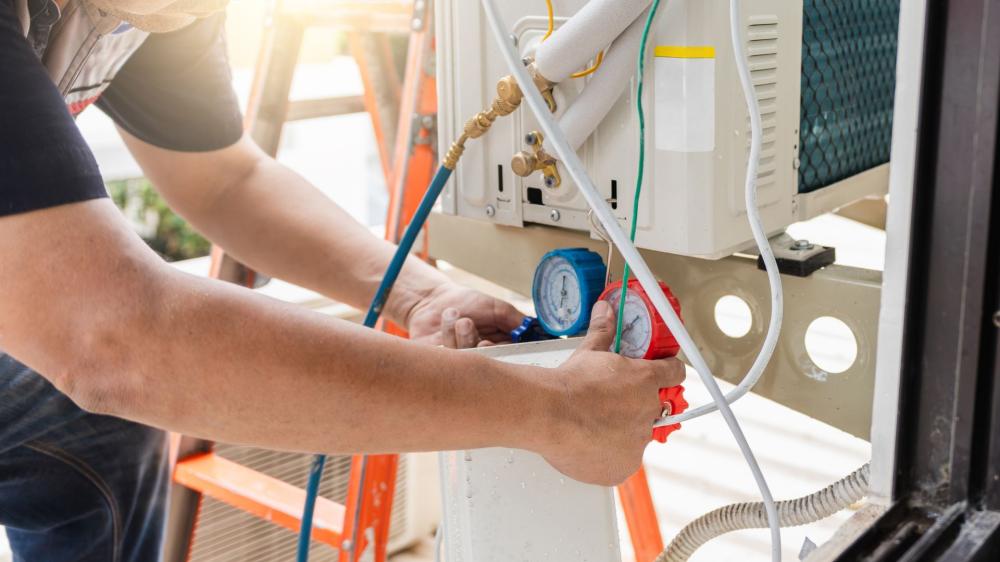
How Modern Home Services Are Evolving for Comfort, Efficiency, and Reliability
Home comfort is being reshaped by a wave of innovation across heating, cooling, and plumbing. Homeowners today expect quieter systems, lower utility bills, safer indoor air, and faster service resolutions. Contractors and manufacturers are responding with smarter equipment, greener options, and performance-focused maintenance plans. Understanding these shifts helps property owners make upgrades that perform better, last longer, and reduce total cost of ownership over time.
Energy Efficiency Takes Center Stage
Efficiency has moved from a nice-to-have to a deciding factor. High-efficiency furnaces, variable-speed heat pumps, and properly sized air conditioners help reduce energy waste while stabilizing indoor temperatures. In plumbing, water-saving fixtures and thoughtful pipe design minimize waste without sacrificing pressure. The emphasis isn’t just on equipment; correct installation, duct sealing, and system balancing play a major role in achieving the promised performance. When paired with proper insulation and weatherization, these improvements can create consistent comfort throughout the home.
Smart Controls and Connected Diagnostics
Smart thermostats and connected leak detection are now common features rather than niche add-ons. By learning household patterns and monitoring conditions in real time, these devices help maintain comfort while preventing issues from becoming emergencies. Many modern HVAC systems and water heaters support remote diagnostics, allowing technicians to review error codes and performance data before arriving. This shortens troubleshooting time and helps ensure the right parts are on the truck, which can reduce return visits and downtime.
Indoor Air and Water Quality Matter More Than Ever
Comfort isn’t just about temperature. Whole-home air filtration, humidity control, and proper ventilation support healthier indoor environments. Balanced humidity helps protect woodwork, reduces static, and discourages microbial growth, while high-efficiency filters capture fine particulates. On the plumbing side, point-of-use filtration and whole-home systems target contaminants and improve taste and odor. Regular inspection of supply lines and proper backflow protection further safeguard water quality and system integrity.
Proactive Maintenance Over Reactive Repairs
A shift from reactive fixes to proactive care is saving homeowners time and stress. Seasonal tune-ups catch wear and tear before it becomes a breakdown, while annual plumbing inspections can spot minor leaks or corrosion early. Maintenance helps preserve warranties, sustains efficiency, and extends equipment life. It also creates a service history that informs future decisions about repair versus replacement.
Practical Steps for Homeowners
1. Schedule seasonal HVAC tune-ups and annual plumbing inspections to detect issues early and sustain efficiency.
2. Upgrade to a smart thermostat and install leak detection sensors near water heaters, laundry areas, and under sinks.
3. Improve the building envelope with air sealing and insulation so heating and cooling systems don’t work harder than necessary.
4. Replace outdated fixtures with water-efficient faucets, showerheads, and toilets to reduce waste without losing performance.
5. Consider variable-speed HVAC equipment or a heat pump for smoother comfort, quieter operation, and improved energy management.
6. Add whole-home filtration or point-of-use systems to address local water concerns and improve taste.
7. Evaluate ductwork for leaks and balance; sealed, well-designed ducts help distribute conditioned air evenly.
Selecting the Right Upgrades
Every home has different needs, so a thorough assessment is the best starting point. Load calculations for HVAC, airflow measurements, and a visual inspection of ducts inform system sizing and selection. In plumbing, reviewing fixture condition, pipe materials, water pressure, and drainage helps prioritize upgrades. Look for equipment with proven reliability, accessible parts, and clear maintenance requirements. A transparent proposal that includes scope, timeline, and warranty terms can help ensure the project meets expectations.
Sustainability and Long-Term Value
Sustainability aligns with durability when equipment is sized correctly, installed to spec, and maintained on schedule. Efficient systems reduce strain on the grid and water supply while cutting operating costs. Choosing repairable components, keeping filters clean, and flushing water heaters as recommended all contribute to longer service life. Over time, these choices support a more comfortable home with fewer surprises, better air and water quality, and a smaller environmental footprint.
As technology advances and standards improve, the future of HVAC and plumbing looks increasingly integrated, intelligent, and resilient. Homeowners who embrace these trends can enjoy dependable comfort today while preparing their homes for what comes next.
