HVAC Industry Insights: Trends Redefining Comfort and Efficiency
The HVAC industry is undergoing a pivotal shift, driven by evolving homeowner expectations, technology gains, and a sharpened focus on efficiency and indoor air quality. From smarter controls to electrification, these trends are reshaping how systems are selected, installed, and maintained. The result is a market that prizes performance, durability, and comfort—without compromising on energy use or environmental impact.
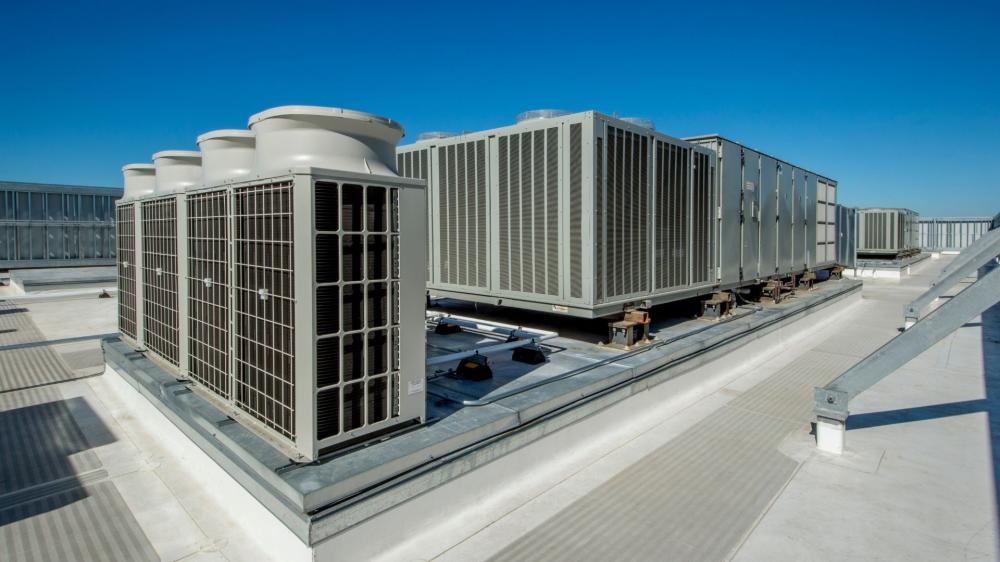
The State of the HVAC Industry
Performance and reliability remain foundational, yet the industry’s center of gravity has moved toward whole-home comfort strategies. This means balancing equipment selection with duct design, air sealing, and ventilation. Contractors are emphasizing right-sized systems, better airflow, and fine-tuned controls to minimize short cycling, manage humidity, and deliver even temperatures across living spaces.
Electrification and Heat Pump Adoption
Electrification continues to guide decision-making for many homeowners and light commercial properties. Modern heat pumps can provide both heating and cooling while maintaining steady comfort across a wide range of climates. Variable-speed compressors and inverter-driven systems help smooth out temperature swings, reduce noise, and ease energy demand. For many properties, pairing a heat pump with proper insulation and air sealing maximizes return on investment and comfort.
Indoor Air Quality as a Daily Essential
Indoor air quality has moved from a niche add-on to a core requirement. Balanced ventilation, enhanced filtration, and humidity control now sit alongside temperature control as standard comfort criteria. MERV-rated filters, dedicated ventilation strategies, and dehumidification solutions can help reduce particulates and manage moisture. When these pieces work in harmony, they support occupant health, protect finishes and furnishings, and promote a quieter, more consistent living environment.
Smart Controls and Data-Driven Maintenance
Connected thermostats and zone controls have matured from convenience gadgets into practical tools for comfort and efficiency. Remote access, learning algorithms, and usage insights help households fine-tune schedules, anticipate seasonal changes, and spot anomalies before they become breakdowns. Data-driven maintenance—supported by system monitoring and proactive tune-ups—can extend equipment life, preserve efficiency, and reduce emergency calls by addressing small issues early.
Decarbonization and Building Performance
Energy codes and performance standards are encouraging better envelopes, tighter duct systems, and balanced ventilation. The industry’s role is to integrate equipment choices with these building improvements, ensuring that systems are sized and commissioned for real-world conditions. Duct design, airflow verification, and refrigerant charge checks are critical steps that pay off in comfort and energy savings. Commissioning isn’t just for large buildings anymore—residential systems benefit just as much.
Practical Steps for Homeowners Planning an Upgrade
A successful project starts with planning. The following checklist outlines key steps that support comfort, efficiency, and long-term value.
1) Request a load calculation to ensure proper system sizing based on your home’s actual characteristics.
2) Evaluate ductwork for leakage, sizing, and insulation; fix issues before or alongside equipment changes.
3) Prioritize ventilation and filtration to support indoor air quality, especially if occupants have sensitivities.
4) Consider variable-speed or inverter-driven equipment to improve comfort, noise levels, and efficiency.
5) Use smart controls to align comfort settings with schedules and occupancy patterns.
6) Discuss maintenance expectations up front, including filter changes and seasonal tune-ups.
7) Look at the building envelope—air sealing and insulation upgrades can reduce system strain and improve comfort.
Training, Tools, and Transparency
Technical training, diagnostic tools, and clear communication are now core advantages for contractors. Homeowners benefit when technicians use instruments to verify airflow, static pressure, and refrigerant charge, then share findings in plain language. Transparent proposals that detail equipment options, duct improvements, and commissioning steps set realistic expectations and simplify decision-making.
The Road Ahead
The path forward favors systems that are quiet, consistent, and thoughtfully integrated with the building. As electrification, smart controls, and performance standards advance, the HVAC industry’s most valuable offering remains the same: comfort that feels effortless, day after day. With careful planning, quality installation, and steady maintenance, households can enjoy dependable comfort while keeping energy use in check.
The Future of HVAC: Smarter Systems, Cleaner Air, and Resilient Performance
Connected controls are reshaping the way buildings use energy and maintain comfort. Modern thermostats and building management platforms learn patterns, adjust setpoints proactively, and can coordinate multiple systems to avoid waste. When paired with zoning and variable-speed equipment, these controls help reduce short cycling and improve occupant comfort. Cybersecurity, device interoperability, and intuitive user training remain priorities so that the benefits of connectivity do not create new headaches for facility teams.
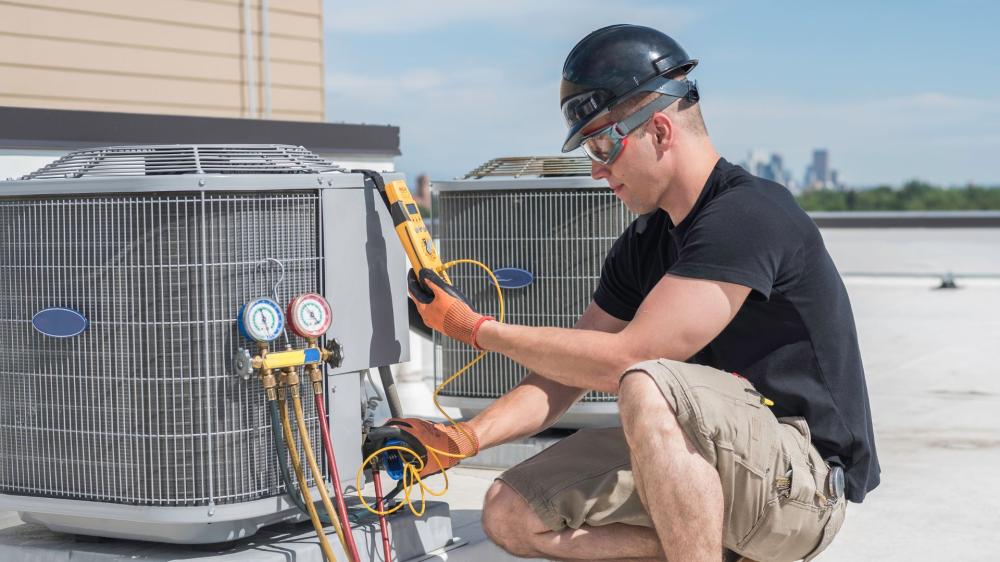
Electrification and High-Efficiency Equipment
Across residential and commercial settings, high-efficiency systems are gaining momentum. Heat pump technologies are designed to deliver reliable performance across diverse climates, while variable-capacity compressors help maintain steady temperatures with less energy fluctuation. Right-sizing matters: load calculations, duct evaluation, and building envelope considerations ensure equipment selections align with real-world conditions rather than nameplate assumptions. Proper commissioning, including airflow verification and refrigerant charge checks, helps new systems meet their intended performance.
Indoor Air Quality as a Core Design Goal
Indoor air quality has moved from a nice-to-have to a must-have. Balanced ventilation, enhanced filtration, and humidity management work together to support healthy, comfortable spaces. Solutions may include dedicated outdoor air strategies, appropriately rated filters, and dehumidification that aligns with local climate patterns. Thoughtful design helps avoid pressure imbalances that can drive infiltration or cause comfort issues. Ongoing monitoring, combined with periodic filter changes and coil cleaning, sustains results over the long term.
Maintenance That Prevents Problems, Not Just Fixes Them
Preventive and predictive maintenance are critical for efficiency, lifespan, and reliability. Rather than waiting for a breakdown, teams are adopting schedules and sensors that flag performance drift before it becomes a failure. Attention to basics—clean coils, correct airflow, tight electrical connections, and clear condensate paths—can avert many common issues. Seasonal tune-ups prepare systems for peak demand, while documentation builds a history that guides smart decisions about repairs or upgrades.
Practical Steps for Facility and Homeowners
Turning industry best practices into everyday habits delivers real value. The following checklist can guide planning, budgeting, and ongoing care:
1. Schedule load calculations before replacing equipment to ensure precise sizing and balanced airflow.
2. Verify duct integrity, sealing, and insulation so conditioned air reaches intended rooms without losses.
3. Set up smart controls with appropriate schedules, geofencing, and alerts to match occupancy patterns.
4. Upgrade filtration to a level compatible with system capacity, and replace filters at recommended intervals.
5. Include coil cleaning, drain line treatment, and blower inspection in routine service to sustain efficiency.
6. Track humidity and ventilation rates to keep moisture under control and support indoor air quality.
7. Document service visits, parts replacements, and performance readings to inform future decisions.
8. Calibrate thermostats and sensors so readings reflect actual conditions, reducing nuisance calls and waste.
Training, Safety, and Codes
Technical training underpins quality outcomes. Technicians who stay current on refrigerants, airflow diagnostics, and controls integration are better equipped to deliver durable results. Safety practices—from lockout/tagout to proper handling of materials—protect people and property. Code compliance and permitting keep projects aligned with local requirements, while inspections provide a second check that systems perform as intended.
Planning for Resilience
HVAC plays a central role in building resilience. Designs that consider climate trends, grid demands, and backup strategies help maintain comfort during extremes. Envelope improvements, shading, and air sealing reduce the load on mechanical systems. When systems are easier to service and supported by clear documentation, recovery from unexpected events is faster and more predictable.
The Path Forward
As expectations for comfort, health, and sustainability rise, HVAC professionals and building owners share a common goal: do more with less energy while enhancing the indoor experience. By embracing smarter controls, right-sized equipment, proactive maintenance, and a focus on indoor air quality, the path forward is both practical and achievable. Thoughtful planning today sets the stage for reliable, efficient performance tomorrow.
