Smarter Home Comfort: Trends Reshaping HVAC, Electrical, and Solar Integration
Homeowners increasingly expect heating, cooling, electrical, and solar components to work as a single, coordinated ecosystem. Instead of treating each system as a stand-alone asset, the market is shifting toward unified design and controls that balance comfort, reliability, and energy use. This integrated approach helps optimize performance throughout the day, responding to weather, occupancy patterns, and utility signals without constant manual adjustment.
Electrification and High-Efficiency Equipment
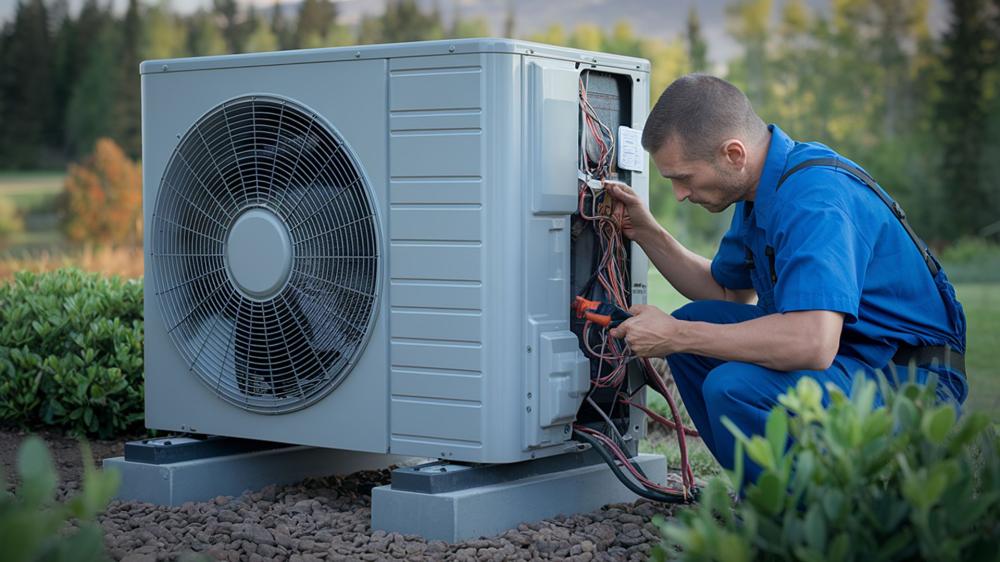
Electrification is moving from concept to commonplace, driven by the wide availability of high-efficiency heat pumps that can both heat and cool with remarkable consistency. When paired with right-sized ductwork, smart thermostats, and proper airflow management, these systems can deliver steady comfort across seasons. On the electrical side, modern panels with expanded capacity and built-in monitoring support additional loads from heat pumps, induction cooking, and home charging equipment while providing clearer visibility into circuit usage and safety.
Solar Plus Storage for Everyday Resilience
Solar is evolving from a supplemental energy source to a central pillar of home power strategy. When integrated with battery storage, solar can provide steady power during grid interruptions and shift energy use to times that align with household needs. Coordinated controls can charge batteries when production is high and prioritize essential loads during outages. This pairing supports resilience without sacrificing comfort from heating and cooling systems, particularly when controls are tuned to maintain indoor conditions during utility events.
Indoor Air Quality Is a Core Design Priority
Comfort is not just about temperature. Modern homes benefit from balanced ventilation, filtration, and humidity control working in step with HVAC equipment. Mechanical ventilation tailored to local climate conditions helps manage fresh air without introducing excess moisture or particulate matter. Layered filtration can reduce common indoor pollutants, while dehumidification or humidification strategies protect finishes and furnishings. Together, these measures support health, comfort, and long-term building performance.
Practical Steps for Homeowners
Turning these trends into action starts with a plan. A home energy assessment that considers the building shell, mechanical systems, and electrical infrastructure can reveal the most effective upgrades and the order in which to make them. The process should account for comfort goals, future electrification plans, and possibilities for solar and storage. With a roadmap in place, homeowners can sequence projects to avoid rework and unlock compounding benefits over time.
Key Considerations for an Integrated Approach
1. Load calculation and duct design: Right-sizing equipment and ensuring proper ductwork are essential for balanced airflow, even temperatures, and quiet operation.
2. Smart controls and zoning: Thermostats, sensors, and zone strategies help tailor comfort room by room while coordinating with electrical and solar systems.
3. Panel capacity and wiring: Updated electrical infrastructure supports added loads and enables monitoring, safety enhancements, and future-ready expansions.
4. Building envelope improvements: Air sealing and insulation reduce heating and cooling demand, allowing equipment to operate more efficiently and maintain steadier comfort.
5. Solar and storage alignment: System sizing and control settings should reflect household usage patterns, critical circuits, and preferred backup strategies.
6. IAQ upgrades: Ventilation, filtration, and humidity control should be designed alongside HVAC selections to protect health and preserve finishes.
7. Maintenance and monitoring: Routine service and performance tracking keep systems efficient and extend equipment life.
Choosing the Right Partners
A successful project relies on qualified professionals who understand cross-system interactions. Look for teams that perform detailed assessments, explain options clearly, and provide documentation on equipment settings, warranties, and maintenance schedules. Good communication upfront prevents surprises later, especially when multiple trades coordinate on timelines, permits, and commissioning.
Looking Ahead
Homes are becoming more comfortable, efficient, and resilient as HVAC, electrical, and solar solutions converge. With a thoughtful plan, quality installation, and ongoing care, households can enjoy steady temperatures, cleaner air, and reliable power that adapts gracefully to changing conditions. The result is a living space that feels better day to day while being prepared for what tomorrow brings.
Smarter Comfort: Emerging Trends Shaping the HVAC, Electrical, and Solar Industry
Home comfort and energy now operate as one interconnected ecosystem. HVAC equipment relies on solid electrical infrastructure and increasingly partners with solar generation to reduce grid demand. This convergence is changing how systems are designed, installed, and maintained. Whole-home thinking replaces piecemeal upgrades, ensuring components communicate, manage loads intelligently, and deliver consistent comfort with lower energy use.
Electrification and Heat Pump Momentum
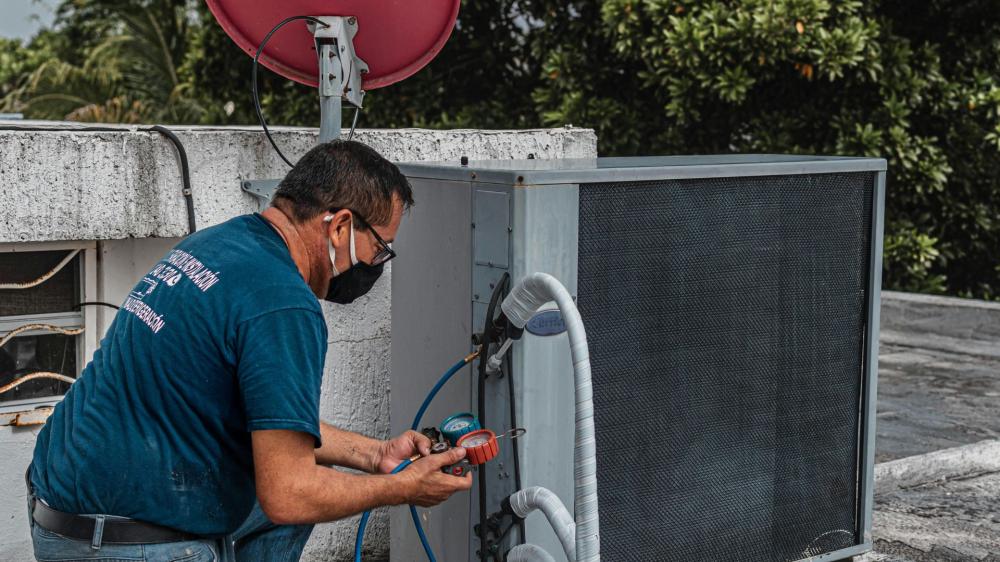
Electrification continues to influence equipment choices, with heat pumps gaining traction for both heating and cooling. Modern heat pump technology focuses on balanced performance and efficiency across seasons. When paired with proper duct design and sealed building envelopes, these systems support steady indoor temperatures, quieter operation, and improved indoor air quality. Successful projects hinge on accurate load calculations, correct sizing, and attention to airflow.
Smart Controls and Data-Driven Maintenance
Connected thermostats, sensors, and circuit-level monitoring are moving from nice-to-have to expected. Homeowners benefit from clear insights into energy patterns, while technicians use system data to anticipate issues before they become breakdowns. Remote diagnostics can guide targeted service visits and fine-tune setpoints, schedules, and ventilation. As devices integrate, privacy, network security, and reliable firmware updates remain essential considerations.
Indoor Air Quality as a Core Priority
Comfort is expanding beyond temperature to include indoor air quality. Ventilation strategies, filtration, and humidity control help address allergens, particulates, and stale air. Balanced ventilation supports fresh air without wasting energy, while high-MERV filtration and well-sealed ducts reduce dust and pollutants. System design must consider climate, occupancy, and building materials to sustain healthier indoor environments year-round.
Practical Steps for Future-Ready Homes
Adapting to these industry shifts starts with realistic, prioritized planning. Whether upgrading one component or rethinking the whole system, a methodical approach protects budgets and outcomes. Consider the following roadmap:
1. Assess the building envelope: Seal air leaks, add insulation where needed, and verify duct integrity to reduce loads before investing in equipment.
2. Right-size equipment: Use professional load calculations to match system capacity with the home’s actual needs, avoiding short cycling and uneven comfort.
3. Optimize airflow and distribution: Confirm proper duct design, static pressure, and register placement to ensure each room receives the intended airflow.
4. Select smart, interoperable controls: Choose thermostats and sensors that support open standards, reliable updates, and clear energy-use insights.
5. Plan electrical readiness: Verify panel capacity, circuit protection, and wiring to support present equipment and anticipated future additions.
6. Integrate ventilation and filtration: Balance fresh air intake with energy considerations and adopt filtration that aligns with household sensitivities.
7. Consider solar alignment: Where appropriate, evaluate how on-site generation can offset energy use, and plan for potential storage or load-shifting strategies.
8. Schedule maintenance with data in mind: Use performance trends to guide service intervals, component checks, and seasonal tune-ups.
Installation Quality and Long-Term Value
Even the most advanced equipment underperforms if installation misses the basics. Attention to refrigerant charge, line set integrity, condensate management, and electrical safety pays dividends in reliability and efficiency. Clear documentation, homeowner education, and accessible system dashboards build confidence and promote best-use habits. Over time, this approach supports steadier comfort, quieter operation, and measured energy savings that align with household routines.
Looking Ahead
The industry’s trajectory favors integrated systems, intelligent controls, and envelope-first thinking. Homes that embrace this direction gain resilience against weather variability and evolving energy demands. Thoughtful planning, high-quality installation, and responsive maintenance create a durable foundation for comfort that adapts as technology advances, keeping systems efficient, safe, and aligned with modern living.
