|
|
Smart Strategies Shaping the Future of Residential Heating and CoolingThe home comfort landscape is evolving as technology, climate considerations, and consumer expectations converge. Homeowners want quieter systems, better air quality, and energy-smart performance that adapts to daily life. The heating and cooling industry is meeting that demand with solutions that prioritize efficiency, reliability, and healthier indoor environments without sacrificing comfort.
The New Landscape of Home ComfortModern systems are designed to use energy more intelligently. Variable-speed compressors and fans adjust output to match real-time needs, reducing temperature swings and unnecessary power use. Smart thermostats now leverage occupancy sensing and geofencing to fine-tune schedules automatically. Ductwork optimization, proper airflow balancing, and right-sized equipment remain foundational, helping systems run as they were engineered to perform. Together, these measures build a resilient comfort plan that stays consistent season after season. Indoor Air Quality Moves From Optional to EssentialComfort is no longer defined by temperature alone. Filtration, ventilation, and humidity control work in tandem to create healthier spaces. High-performance filters capture fine particulates while maintaining airflow. Balanced ventilation exchanges stale indoor air for fresh outdoor air, improving comfort and reducing lingering odors. Consistent humidity control helps protect furnishings and supports respiratory comfort, especially in regions with wide seasonal swings. A well-integrated approach ensures every breath feels better. Electrification and Heat Pump MomentumHigh-efficiency heat pumps are gaining ground for their ability to provide both heating and cooling in a single footprint. Cold-climate advancements have expanded their usefulness, and inverter-driven technology supports precise temperature control. In many homes, hybrid configurations pair a heat pump with an auxiliary heat source to manage extreme-weather days while maintaining comfort and cost balance. The result is a versatile path forward that aligns with broader energy goals and modern expectations. Reliability Through Proactive MaintenancePreventive care safeguards performance. Routine inspection, cleaning, and calibration help equipment run smoothly and extend service life. Catching small issues early—like worn components, airflow restrictions, or sensor drift—prevents breakdowns at peak demand. Documented service histories also support accurate troubleshooting and informed decisions when repairs or upgrades are on the table. Reliable heating and cooling is the payoff of steady attention over time. Practical Steps for HomeownersSeal and insulate to tighten the building envelope and reduce load on equipment. Optimize airflow by ensuring vents are unobstructed, registers are balanced, and filters are replaced on schedule. Calibrate controls using smart thermostat features thoughtfully, with reasonable setbacks and adaptive modes. Right-size upgrades by matching capacity to the home’s actual needs based on a professional load assessment. Improve ventilation with balanced or energy-recovery options for consistent fresh air. Manage humidity with whole-home or targeted controls to keep levels comfortable year-round. Plan maintenance with a regular service rhythm to clean, test, and verify performance before seasonal shifts. Homes that invest in thoughtful upgrades and consistent care enjoy steadier temperatures, cleaner air, and lower strain on mechanical components. A holistic view ensures each part supports the next, delivering comfort you can feel and efficiency you can measure over time.
Keeping Gutters Clear: Essential Exterior Care for Pacific Northwest HomesPacific Northwest weather brings frequent rain and seasonal debris that can quickly fill gutters and downspouts. Regular professional gutter cleaning helps maintain proper water flow, protect roofing edges and foundations, and prevent overflow issues that can affect exterior surfaces and landscaping.
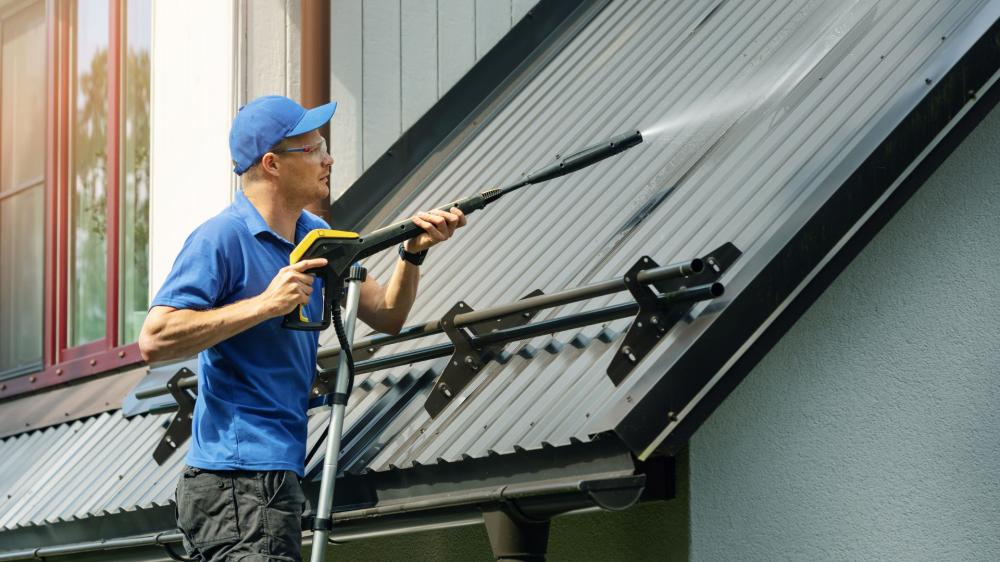
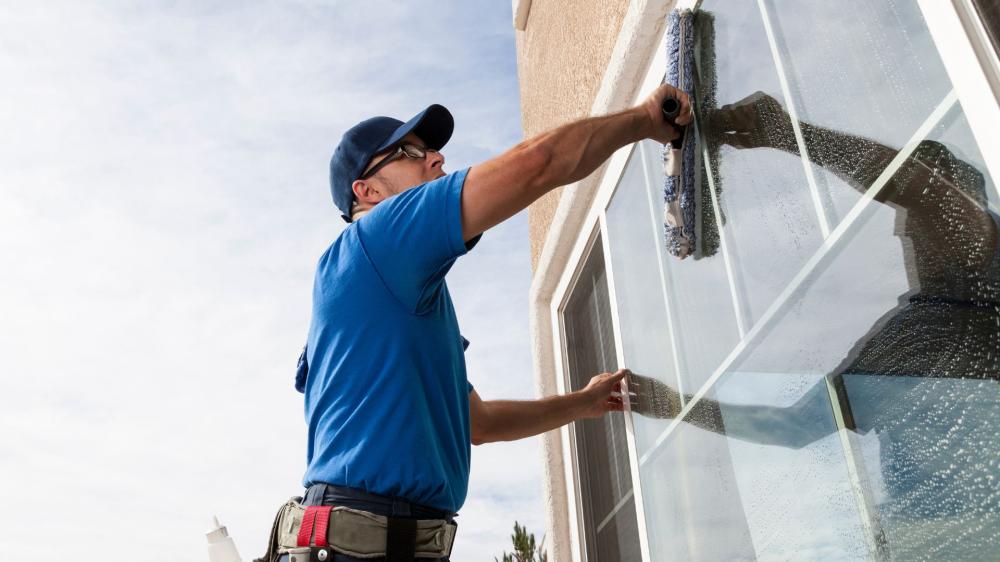
Why Gutters Need Consistent AttentionLeaves, pine needles, moss, and other organic material accumulate rapidly in this climate. When gutters become clogged, water can back up onto the roof, cascade over the sides, or pool near the foundation. Addressing buildup before heavy rains arrive supports drainage and reduces the risk of water-related concerns around the home. Thorough and Careful Cleaning MethodsProfessional gutter cleaning involves removing debris from the troughs, checking downspouts for blockages, and flushing the system to confirm free flow. Care is taken around roof edges, fascia, and nearby plantings. The process is designed to be thorough yet respectful of the property, leaving gutters ready for the next storm. Seasonal Timing for Best ResultsMany homeowners schedule gutter cleaning in late fall after most leaves have dropped and again in spring to clear winter residue. Timely service helps the system perform when rainfall is heaviest and makes it easier to spot minor issues such as loose hangers or seams that need attention. Complementary Exterior BenefitsGutter care pairs well with roof cleaning, surface washing, and window services. When these tasks are coordinated, the entire exterior benefits from consistent maintenance. Clear gutters support cleaner siding and walkways by directing water away from the structure as intended. A Practical Part of Home ProtectionKeeping gutters clear is a straightforward way to protect one of a home’s most important drainage systems. Regular professional attention helps Pacific Northwest properties manage heavy rainfall effectively, maintain curb appeal, and reduce the chance of water-related problems season after season. | ||||
 |