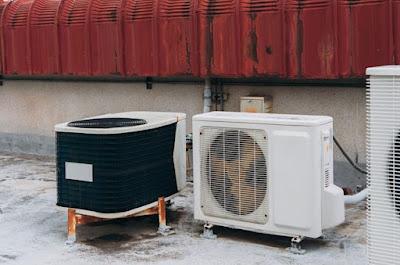
Savannah’s coastal weather brings gorgeous breezes—and relentless humidity, salt-laden air, and sudden temperature swings that challenge home comfort. Thoughtful HVAC strategies can keep indoor spaces steady, healthy, and efficient year-round. From moisture management to storm prep, homeowners gain the most when systems are tuned to local realities, not generic assumptions. The following points outline practical steps to reduce wear, improve comfort, and trim energy waste without cutting corners.
1. Match equipment to the coastal climate
Salt air accelerates corrosion, and humidity increases system workload. Selecting components with protective coatings, rust-resistant fasteners, and sealed electronics helps extend service life. Variable-speed air handlers and compressors manage long, low-intensity cooling cycles that are ideal for sticky summers, preventing big temperature swings and limiting moisture buildup indoors.
2. Make proactive maintenance a habit
Routine checks are essential in humid, coastal conditions. Clean coils remove heat efficiently and prevent mold-friendly condensation film. Clear condensate lines avert water damage and musty smells. Fresh filters protect fan motors and coils from dust and pollen, easing strain and supporting cleaner airflow. Simple, scheduled attention avoids small issues snowballing into breakdowns at the most inconvenient times.
3. Control humidity with precision
Comfort in Savannah is as much about moisture as temperature. Whole-home dehumidification or HVAC settings that prioritize latent heat removal maintain relative humidity in a comfortable range while reducing that “clammy” feeling. Properly sized systems run long enough to wring moisture from the air; oversizing can cause short cycling, leaving air cool but damp. Balance capacity with real-world load to keep both temperature and humidity steady.
4. Tighten ductwork for superior airflow
Leaky or uninsulated ducts waste conditioned air, invite attic moisture, and force equipment to run longer. Sealing joints with mastic, insulating runs in unconditioned spaces, and correcting crushed or undersized flex duct restores designed airflow and room-to-room balance. Good airflow supports better filtration, quieter operation, and more consistent comfort on both floors of multi-story homes.
5. Focus on filtration and indoor air quality
MERV-rated filters that fit your system’s specifications capture pollen, dust, and coastal particulates without over-restricting airflow. In homes with pets, allergies, or frequent visitors, higher-capacity media filters maintain performance over longer intervals. Consider balanced ventilation strategies to refresh indoor air without inviting too much humidity inside. Cleaner air protects equipment and helps occupants breathe easier.
6. Use smart controls thoughtfully
Smart thermostats help adapt to unpredictable shoulder seasons and summer heat waves. Gentle setbacks, humidity-aware settings, and geo-fencing avoid deep temperature swings that force long recovery runs. Zoning can tailor comfort across sun-soaked rooms, shaded spaces, and different floors, reducing hot and cold spots while easing strain on the system during peak hours.
7. Prepare for storms and power fluctuations
Coastal storms bring spikes, sags, and outages that can damage sensitive HVAC electronics. Surge protection, proper drainage around outdoor units, and secure mounting hardware protect against wind-driven rain and flying debris. After an outage, allow compressors to equalize pressure before restarting to avoid hard starts. A quick post-storm inspection helps catch small issues before they compound.
8. Know when to call for local expertise
Persistent humidity, short cycling, weak airflow, musty odors, or rising energy bills signal system stress. Homeowners who seek timely guidance for issues related to hvac repair savannah benefit from professionals who understand local loads, building styles, and code requirements. Regional experience speeds diagnosis, aligns solutions with real conditions, and helps prevent repeat problems in humid months.
9. Right-size for efficiency and comfort
A perfectly sized system runs steady, quiet, and efficient. Oversized units cool fast but don’t dehumidify well; undersized units struggle, run long, and wear out faster. Proper load calculations consider insulation, windows, orientation, air leakage, and occupancy. Right-sizing pays dividends in comfort, durability, and monthly utility savings.
10. Support the system with home upgrades
Weatherstripping, attic insulation, shade trees or awnings, and reflective roofing materials reduce heat gain and moisture challenges. Smart habits—like using exhaust fans during cooking and showers—help the HVAC system maintain balance. Small improvements compound into big comfort gains when paired with reliable, climate-tuned equipment and attentive care.
Coastal Climate Insights: How an hvac contractor savannah Keeps Homes Comfortable Year-Round
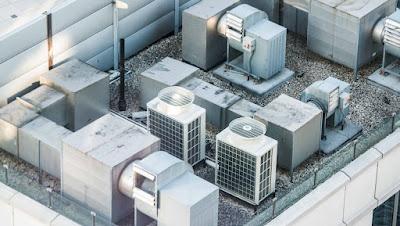
Savannah’s climate brings warm summers, moist air, and salt-laden coastal breezes that challenge residential heating and cooling systems. Choosing an experienced hvac contractor savannah helps homeowners navigate these regional factors with strategies that prioritize comfort, efficiency, and indoor air quality. The following points outline practical considerations for homeowners looking to improve system reliability and performance in a coastal environment.
1. Salt Air and Corrosion Resistance
Living near the coast exposes outdoor units to salt spray, which can speed up corrosion on coils and metal components. A seasoned hvac contractor savannah will recommend protective measures such as corrosion-resistant materials and regular coil rinsing. Simple, periodic cleaning reduces buildup that can impede heat transfer. When units are properly shielded and maintained, homeowners often see smoother operation and fewer premature part replacements due to rust.
2. Humidity Management as a Comfort Essential
Humidity control is as important as temperature control in coastal Georgia. Systems that focus on proper airflow, correct refrigerant charge, and well-sized equipment are more effective at dehumidifying. When the indoor humidity is balanced, rooms feel cooler at reasonable thermostat settings, which can reduce system strain. Consider enhancements like variable-speed air handlers and appropriate fan settings that allow longer, gentler cooling cycles to pull moisture from the air.
3. Ductwork Integrity and Airflow
Leaky or undersized ducts can undermine even the most advanced equipment. A professional airflow assessment checks for pressure imbalances, loose connections, and poorly sealed joints that waste conditioned air. Thoughtful duct sealing and insulation help maintain steady temperatures, reduce hot and cold spots, and support quieter operation. The result is a more comfortable home and a system that doesn’t have to overwork to meet demand.
4. Filtration and Indoor Air Quality
Pollen, coastal allergens, and household particles can affect comfort and respiratory health. Upgrading air filters, aligning the filter rating with the system’s airflow specifications, and setting a consistent change-out schedule are critical steps. For homes with heightened sensitivities, an hvac contractor savannah may suggest integrated indoor air quality solutions, such as enhanced filtration or balanced ventilation, to bring in fresh air while limiting excess humidity.
5. Smart Thermostats and Zoning
Smart controls allow homeowners to fine-tune temperatures, track run times, and adjust settings remotely. Zoning separates the home into areas with independent temperature control, which can be especially useful in multi-story or open-plan layouts where some spaces heat up faster than others. Properly implemented, these solutions help reduce energy waste and create a more even, personalized comfort profile across the home.
6. Preventive Maintenance for Peak Seasons
Routine tune-ups before peak summer and winter periods catch small issues early. During a maintenance visit, technicians typically clean coils, check electrical connections, verify refrigerant levels, and confirm safe operation. In a coastal region, attention to outdoor unit cleanliness and coil condition is essential. Regular care keeps performance steady, supports consistent indoor comfort, and can help extend system life.
7. Right-Sizing and System Selection
Equipment sizing matters as much as brand or feature set. Oversized systems may cool quickly without adequately removing humidity, while undersized units can struggle to reach target temperatures. Accurate load calculations consider insulation, window orientation, shade, and occupancy patterns. With the right match, homeowners benefit from improved comfort, quieter operation, and fewer temperature swings throughout the day.
8. Attic and Envelope Considerations
In many Savannah homes, attics get hot and humid, which can influence duct temperatures and system workload. Proper insulation, air sealing, and attic ventilation support more stable indoor conditions. When the building envelope is tightened strategically, the HVAC system doesn’t have to compensate for excessive heat gain or loss, which contributes to more consistent performance and can reduce unnecessary cycling.
9. Storm Preparedness and System Protection
Coastal storms can bring power fluctuations and debris. Whole-home surge protection and clearances around outdoor units help safeguard equipment. After heavy weather, a quick visual inspection for blocked airflow, bent fins, or displaced panels helps prevent hidden issues from escalating. When power returns after an outage, allowing the system to stabilize before heavy use can reduce stress on components.
10. Long-Term Comfort Planning
A forward-looking comfort plan pairs routine maintenance with sensible upgrades over time. Homeowners can stage improvements—better filtration now, duct sealing next season, and control upgrades later—so each step builds toward stronger comfort and reliability. With guidance from an hvac contractor savannah, these incremental changes align with household needs, climate realities, and budget priorities.
By focusing on humidity control, airflow, indoor air quality, and protective measures against coastal conditions, Savannah homeowners can enjoy dependable comfort through every season. Thoughtful system care and strategic enhancements provide a balanced approach that suits the region’s unique climate and supports a healthier, more comfortable home.
Coastal Comfort and Reliability: Trends Shaping Home HVAC, Plumbing, and Electrical Services
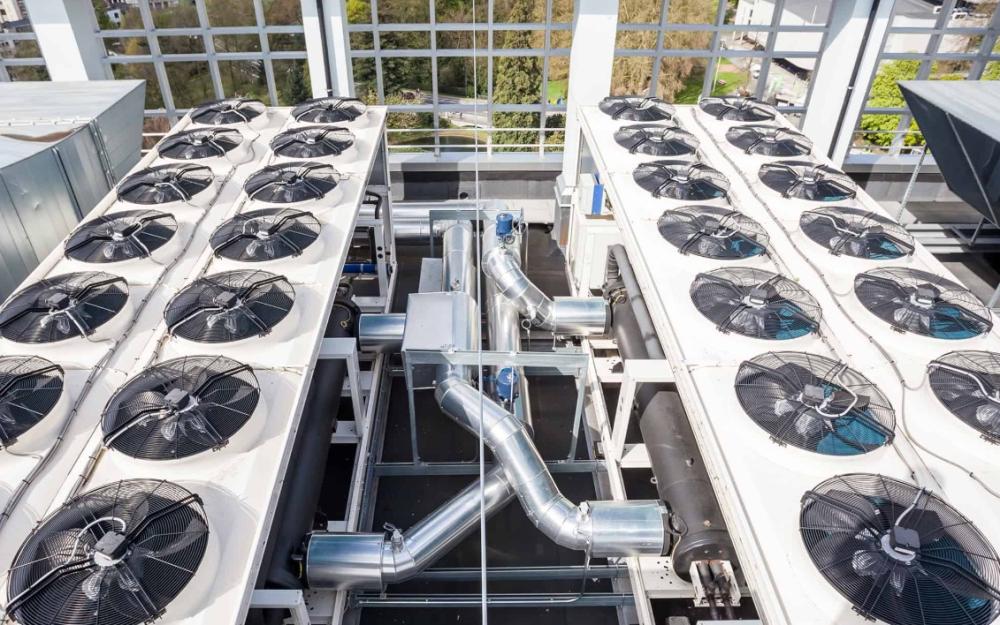
What Homeowners Need to Know About Integrated Home Services
Why Whole-Home Thinking Matters
Home comfort and safety rely on a system of connected parts: climate control, water flow, and power delivery. When one area falters, the others often feel the strain. That’s why homeowners are increasingly adopting a whole-home strategy that treats HVAC, Plumbing, and Electrical as a single, coordinated ecosystem. In coastal regions with humidity and salt air, this approach helps extend equipment life, improve efficiency, and reduce surprise breakdowns.
HVAC Essentials for a Humid Climate
In humid environments, air conditioners do double duty: cooling and dehumidifying. Regular AC Repair and tune-ups ensure proper airflow and refrigerant balance, which keeps indoor moisture levels in check. When it’s time for an upgrade, AC Installation should prioritize efficiency, smart controls, and sizing tailored to the home’s envelope. On the heating side, Heating Installation and Heating Repair keep shoulder-season comfort steady, especially during sudden cold snaps. Efficient operation depends on clean filters, sealed ducts, and consistent maintenance.
Plumbing Priorities: Water Heaters, Drains, and Leak Detection
Water Heater Installation influences daily comfort and long-term utility costs. Proper sizing and placement support faster hot water delivery and reduce heat loss. Keeping Drains clear prevents backups that can impact floors, walls, and even electrical components if water spreads. Modern Leak Detection tools can catch pinhole leaks behind walls or under slabs before they become major repairs, protecting both your home and your budget.
Electrical Safety and Smart Upgrades
Electrical systems carry the load for comfort devices, kitchen appliances, and home offices. Periodic inspections catch loose connections, corrosion, and aging components that can lead to nuisance trips or risks. Strategic upgrades—such as dedicated circuits for HVAC equipment—help improve reliability under peak demand. Smart thermostats, surge protection, and energy monitoring offer better control and insight without sacrificing safety.
Seasonal Checklist: Pro Tips for Year-Round Peace of Mind
A proactive plan reduces emergencies and stretches equipment life. Use this practical list to keep key systems on track:
1) Schedule pre-season HVAC maintenance: AC in spring, heating in fall, to verify airflow, refrigerant levels, and safety controls.
2) Replace or clean filters regularly to support efficiency and healthy indoor air.
3) Test smoke and carbon monoxide detectors and confirm proper electrical grounding.
4) Flush sediment from water heaters as recommended to preserve capacity and performance.
5) Inspect visible plumbing lines and shut-off valves; look for moisture, corrosion, or staining.
6) Clear outdoor AC units of debris and trim vegetation at least a couple of feet around the condenser.
7) Use Leak Detection solutions in high-risk areas like under sinks and near water heaters.
8) Evaluate thermostat settings and energy habits to balance comfort with utility costs.
Choosing the Right Local Partner
Working with a trusted local pro makes a measurable difference, especially in a coastal climate where salt, heat, and humidity challenge equipment. Look for licensed, insured technicians who can support HVAC, Plumbing, and Electrical with a coordinated plan that covers maintenance, repairs, and efficiency improvements. A team that understands local building conditions can help prevent common issues like corroded outdoor components, duct leakage, and moisture-driven mold growth.
Confidence Through Communication
Clear communication matters as much as technical skill. Expect transparent recommendations, explanations you can understand, and options that fit your goals—whether you need AC Repair now, are planning a future AC Installation, or want guidance on Heating Installation, Heating Repair, Water Heater Installation, Drains, or Leak Detection solutions. For dependable service and tailored advice in the area, partnering with an experienced, community-focused professional such as *hvac contractor savannah* helps keep comfort steady and costs predictable.
In the end, a well-coordinated plan across HVAC, Plumbing, and Electrical turns seasonal challenges into manageable routines. With the right maintenance schedule and reliable local expertise, your home can stay efficient, comfortable, and safe—no matter what the forecast brings.
Coastal Home Systems: Smart Strategies for Year-Round Comfort and Reliability
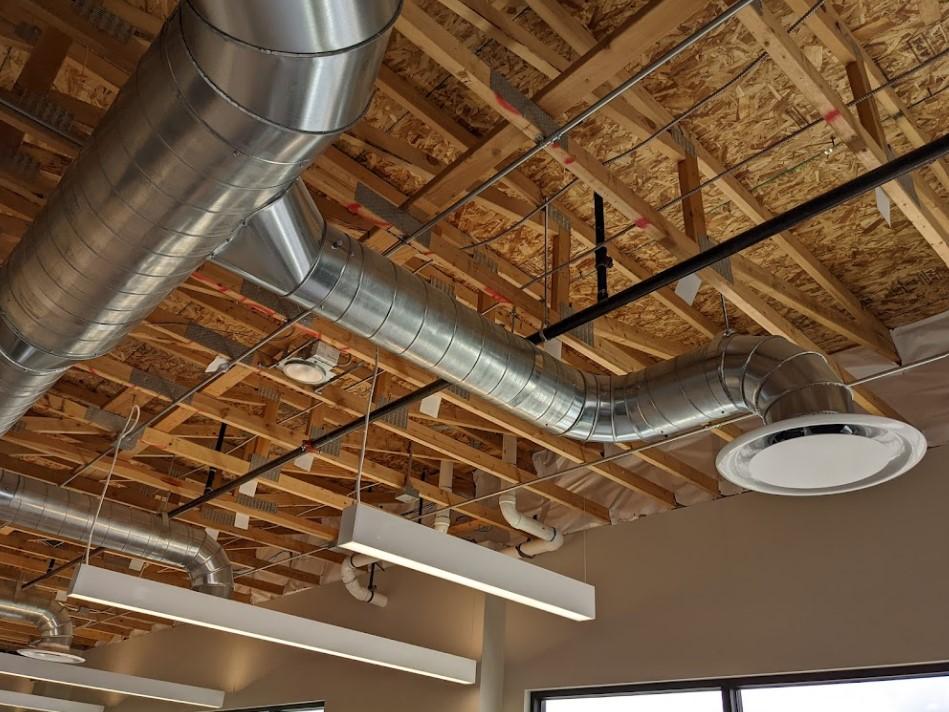
How Coastal Conditions Shape HVAC, Plumbing, and Electrical Care
Salt Air, Heat, and Humidity Demand a Proactive Mindset
Living near the coast brings beauty—and unique strain on home systems. Salt-laden air accelerates corrosion, summer heat drives long AC cycles, and humidity permeates building materials. Together, these factors impact HVAC efficiency, plumbing durability, and electrical safety. Homeowners who plan maintenance with local climate in mind cut surprises, manage costs, and keep comfort steady through every season.
HVAC Essentials for Coastal Climates
Air conditioning works overtime in coastal heat, so system health is nonnegotiable. Filters clog faster, coils can corrode, and condensate drains see more growth buildup. Routine inspections help keep airflow strong and catch early wear. If you notice rising energy bills, hot and cold spots, or frequent cycling, it may be time to schedule service. For residents seeking fast, dependable help, choosing a trusted team for hvac repair savannah keeps comfort on track when the mercury climbs.
AC Installation and Repair: When to Upgrade vs. Fix
Choosing between AC Repair and AC Installation comes down to performance and reliability. If repairs are minor and the system cools consistently, targeted fixes can extend lifespan. However, if breakdowns are frequent, humidity control is weak, or parts are failing in clusters, an upgrade may deliver better comfort and efficiency. Proper sizing and ventilation planning matter as much as the unit itself—solid design prevents short cycling, uneven temps, and undue strain.
Heating: Light Load, Big Importance
Even in mild winters, Heating Installation and Heating Repair are essential. Coastal dampness can make chilly days feel colder indoors, and a dependable heat source ensures pipes and building materials avoid cold-related stress. Routine checks verify that burners, heat exchangers, and safety controls function properly when you need them most.
Plumbing and Electrical: Quiet Workhorses You Can’t Ignore
Coastal plumbing faces mineral buildup, pinhole leaks, and drain odors from humidity. Stay ahead with Leak Detection to spot hidden moisture, and keep Drains clear to prevent backups and mold. For reliable hot water, consider Water Heater Installation that matches household usage and recovery needs. On the electrical side, salt air can hasten corrosion at terminals, and high-demand appliances require sound wiring and panel capacity. Professional Electrical assessments safeguard comfort, efficiency, and code compliance.
Five Smart Moves for Year-Round System Health
1. Schedule seasonal tune-ups: Book HVAC service before peak summer and a quick heating check before winter. This catches airflow issues, refrigerant concerns, and ignition or safety faults early.
2. Protect coils and components: Ask about corrosion-resistant coatings for coastal exposure, and keep outdoor units clear of debris for steady airflow and heat exchange.
3. Keep drains and pans clean: Clear condensate lines, test drain traps, and maintain clean sink and shower Drains to reduce clogs, odors, and moisture damage.
4. Monitor for subtle changes: Watch for longer cooling times, breaker trips, low water pressure, odd noises, or musty smells—small clues often point to fixable issues.
5. Upgrade strategically: When reliability dips, evaluate AC Installation, panel improvements, or Water Heater Installation that target your home’s load and usage patterns.
6. Prioritize Leak Detection: Early identification of hidden moisture avoids costly repairs, preserves air quality, and protects electrical components from damage.
Choosing the Right Pros for Coastal Homes
Experience with coastal systems matters. Look for licensed technicians who handle HVAC, Plumbing, and Electrical under one roof for coordinated solutions. Clear communication, detailed estimates, and education on upkeep empower better decisions. Whether it’s routine AC Repair, Heating Repair, Water Heater Installation, Drains maintenance, or precise Leak Detection, the right team will tailor service to your home’s layout, lifestyle, and coastal exposure.
Coastal living rewards preparation. With consistent maintenance, smart upgrades, and climate-aware service, you can extend equipment life, stabilize utility costs, and keep every room comfortable. A steady plan today prevents urgent calls tomorrow—and ensures your home systems thrive in salt, heat, and humidity year-round.
