Smarter Heating and Cooling: Practical HVAC Tips for Reliable Comfort
When temperatures swing, a well-tuned heating and cooling system quietly keeps every room steady, healthy, and efficient. Beyond keeping you comfortable, a well-planned approach to HVAC helps manage energy use, preserves equipment life, and supports cleaner indoor air. A few targeted habits and upgrades can noticeably improve performance without overhauling your entire setup.
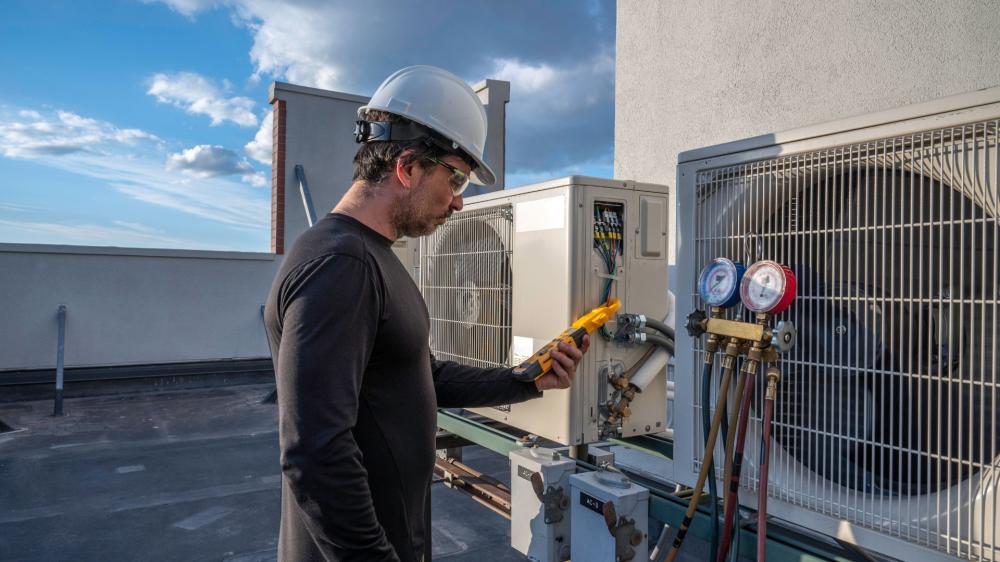
How Modern Systems Balance Efficiency and Comfort
Balanced comfort relies on more than just reaching a set temperature. Equipment sizing, duct design, airflow, and humidity control all work together. If a system is oversized, it may short cycle, leading to uneven temperatures and unnecessary wear. Undersized equipment can struggle on extreme days. Correct airflow through clean, sealed ducts allows your system to move conditioned air efficiently, while proper ventilation helps dilute indoor pollutants. Small improvements add up: a clean filter, clear return grilles, and unobstructed supply registers can noticeably enhance both comfort and efficiency.
Indoor Air Quality Matters
Indoor air quality impacts how a home or workspace feels and functions. Everyday activities introduce particulates and odors that build up, especially in tightly sealed buildings. Start with the basics: consistent filtration and regular equipment inspections. Consider humidity management, too. High humidity can make a space feel muggy and encourage unwanted moisture, while air that is too dry can be irritating. Striking the right indoor balance supports comfort and can help protect furnishings and finishes from cracking or warping.
Smart Thermostats and Zoning
Modern controls elevate HVAC performance by matching output to real-world needs. Programmable and smart thermostats adapt heating and cooling schedules around occupancy and daily routines. Zoning goes a step further by dividing a building into areas with individual temperature targets. This approach helps reduce hot and cold spots, limits wasted run time in unused rooms, and lets you tailor comfort to how spaces are actually used. When paired with good insulation and air sealing, controls can make a noticeable difference in day-to-day operation.
Seasonal Maintenance Priorities
A dependable system is a maintained system. Attention to a few key tasks helps protect performance when weather changes quickly and demand rises. Use the list below as a seasonal checkpoint to stay ahead of common issues.
1. Replace or clean air filters on a regular schedule to maintain airflow and reduce strain on the blower motor.
2. Keep outdoor units clear by trimming vegetation and removing debris at least a couple of feet around the cabinet for proper ventilation.
3. Inspect and seal accessible duct joints to prevent leaks that waste conditioned air and reduce comfort in distant rooms.
4. Verify thermostat settings and update schedules as seasons change so heating and cooling align with actual occupancy.
5. Check condensate drains for clogs to prevent moisture backups that can affect indoor conditions.
6. Gently clean supply and return grilles to promote even circulation and reduce dust recirculation.
7. Listen for new or unusual noises during operation, which can be early signs of wear or loose components.
When to Consider an Upgrade
If your system struggles to maintain set temperatures, runs for unusually long cycles, or needs frequent repairs, an upgrade assessment can be worthwhile. Look for options that prioritize efficiency, quiet operation, and right-sized capacity for the space. Attention to ductwork condition and insulation will help any new equipment perform to its potential. Even without a full replacement, targeted improvements—such as sealing ducts, installing a smart thermostat, or improving attic insulation—often deliver meaningful comfort gains.
Building Comfort That Lasts
Reliable HVAC performance comes from a balanced strategy: proper sizing, steady maintenance, clean airflow, and smart controls working together. By focusing on the fundamentals and staying proactive through the seasons, you can create a comfortable, consistent environment that responds smoothly to daily life and changing weather. Over time, these practical steps support dependable operation, help manage energy use, and make indoor spaces feel welcoming in every season.
Efficient Comfort in Hot-Dry Climates: A Practical Guide to Heating and Air
The Heating and Air landscape in hot, arid climates demands attention to detail. Long cooling seasons, intense sun, and dusty winds can strain equipment and impact comfort. Thoughtful system selection, diligent maintenance, and smart controls help balance comfort with responsible energy use. Whether you’re tuning an existing setup or planning improvements, a few targeted steps can make a noticeable difference.
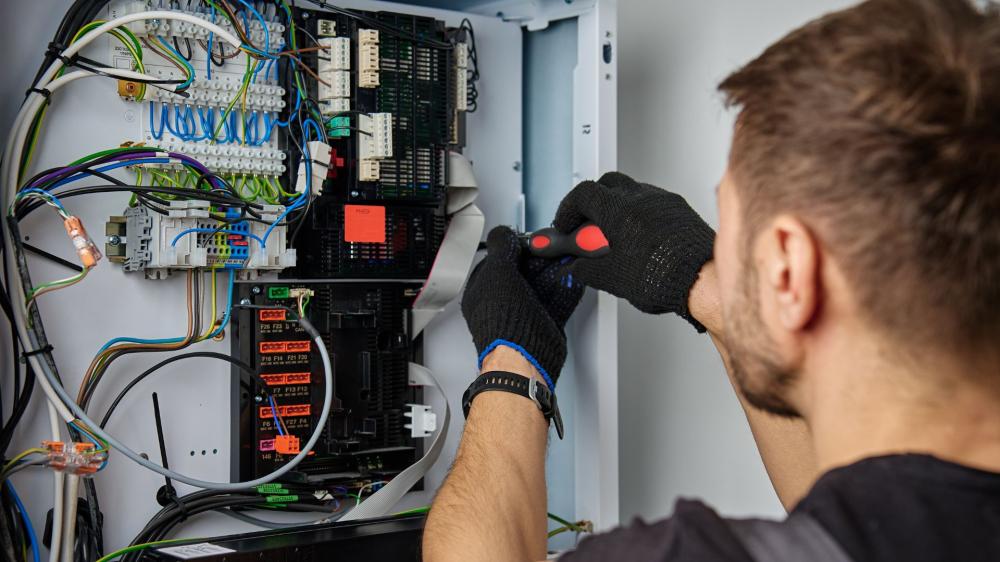
The Fundamentals of HVAC Efficiency
Right-sizing equipment matters. A system that’s too large can short-cycle, causing uneven temperatures and extra wear, while an undersized unit may struggle during peak heat. Work with a qualified professional to evaluate load factors like insulation, window exposure, and air leakage. Prioritize high-quality filtration and a clean condenser coil; airflow and heat exchange efficiency are the backbone of reliable performance in scorching weather.
Smart Thermostat Strategies
A programmable or smart thermostat anchors daily comfort and savings. Set schedules that reflect real life—slightly higher temperatures when you’re away, then a comfortable setpoint before you return. Avoid abrupt swings that force the system to work overtime; gradual adjustments are easier on components and help maintain even humidity. Many modern thermostats offer adaptive recovery, learning how long your home takes to reach a setpoint so the temperature is right on time without unnecessary runtime.
Ductwork and Airflow Essentials
Air distribution can make or break efficiency. Leaky or poorly insulated ducts lose conditioned air to attics and crawl spaces, driving up run times. Have ducts inspected for gaps, kinks, and crushed sections, and ensure registers and returns are unobstructed by furniture or rugs. Balanced airflow across rooms reduces hot spots and cold zones, keeping the system from operating longer than necessary to satisfy a single thermostat location.
Indoor Air Quality Considerations
Dust, pollen, and desert particulates can settle quickly. A high-MERV filter compatible with your system captures fine debris and protects the evaporator coil. Replace or clean filters on schedule, especially during peak cooling months. Consider supplemental solutions like UV lamps or whole-home air purifiers when appropriate for your system. Good sealing around doors, windows, and penetrations reduces infiltration, which improves both air quality and temperature stability.
Seasonal Maintenance Roadmap
Regular maintenance keeps small issues from growing into major breakdowns. Build a simple seasonal routine that supports dependable operation:
1. Inspect and replace filters as needed, confirming proper fit and airflow direction.
2. Clear debris around the outdoor unit and keep vegetation trimmed to allow free airflow.
3. Rinse the outdoor coil gently to remove dust buildup; avoid bending fins.
4. Check thermostat settings, schedules, and batteries to ensure accurate control.
5. Verify supply and return vents are open and unblocked throughout the home.
6. Listen for unusual noises at startup and shutdown; address changes promptly.
7. Schedule professional maintenance to evaluate refrigerant charge, electrical components, and overall system health.
Heat Pump and Cooling Best Practices
In many hot-dry regions, high-efficiency air conditioners and heat pumps deliver reliable performance. Keep outdoor units shaded but not enclosed; a little shade reduces heat load on the condenser, while unrestricted airflow prevents recirculating hot exhaust air. Inside, ceiling fans complement conditioning by creating a wind-chill effect, letting you raise the thermostat a notch while preserving comfort. Small, consistent improvements like these compound over time.
Planning for the Long Term
When it’s time to replace equipment, consider total cost of ownership rather than just the initial price. Efficiency ratings, warranty terms, and compatibility with existing ducts and controls factor into the equation. Upgrading attic insulation and sealing leaks can reduce required capacity, helping a new system run steadier and last longer. With the right plan and steady upkeep, a well-tuned Heating and Air system delivers year-round comfort, reliability, and peace of mind in even the most intense desert heat.
