How to Respond to Severe Bleeding Before Emergency Help Arrives | ||||||
|
Severe bleeding is a critical medical emergency that demands immediate and effective action. Knowing how to respond to severe bleeding before emergency help arrives can save lives and prevent complications. This article provides a clear, practical action plan to guide you through the essential steps needed to control bleeding safely and efficiently until professional responders take over. Bleeding can result from various causes such as accidents, injuries, or medical conditions, and the rapid loss of blood can quickly become life-threatening. This guide focuses on actionable measures anyone can apply confidently in emergency situations to stabilize the injured person. By mastering these steps, you can offer crucial support and increase the chances of survival while awaiting emergency services.
Immediate Actions to Take When Facing Severe BleedingAssessing the Situation Quickly and CalmlyWhen confronted with severe bleeding, the first priority is to evaluate the environment for safety to protect yourself and the victim. Quickly determine the severity and location of the bleeding to plan the best response. Remaining calm helps you think clearly and act decisively, which is vital in such high-pressure moments. Applying Direct Pressure to Control BleedingApplying firm and direct pressure on the wound is the most effective way to slow or stop severe bleeding. Use a clean cloth, gauze, or your hands if nothing else is available, pressing steadily over the injury site. Maintaining continuous pressure prevents blood loss and reduces the risk of shock. For those interested in enhancing their skills, enrolling in intermediate first aid training provides hands-on techniques for bleeding control and other emergency responses. Such training improves confidence and preparedness for real-life situations. Check over here to discover a useful content about intermediate first aid training. Positioning the Injured Person SafelyIf possible, position the injured individual lying down with their feet elevated to promote blood flow to vital organs. This posture helps counteract the effects of blood loss and supports circulation. Avoid moving the person unnecessarily, especially if there is suspicion of spinal injury.
Using Tourniquets and Other Tools EffectivelyWhen and How to Use a TourniquetTourniquets are powerful tools designed to stop life-threatening bleeding when direct pressure is insufficient. Apply the tourniquet above the bleeding site, tightly enough to halt blood flow but not so tight as to cause additional injury. Proper placement and timely application can be lifesaving in severe limb wounds. Improvising with Available MaterialsIn the absence of commercial tourniquets, sturdy materials like belts or strips of cloth can serve as makeshift alternatives. Ensure these improvised devices are applied firmly and secured to maintain pressure. Improvisation requires careful judgment to avoid worsening the injury while controlling bleeding. Monitoring and Adjusting Tourniquet UseOnce applied, do not loosen the tourniquet until emergency personnel arrive. Monitor the victim for signs of distress or changes in consciousness while maintaining pressure. Inform responders about the time the tourniquet was placed to assist in their treatment decisions.
Advanced Techniques and Considerations for Bleeding ControlRecognizing Internal Bleeding SignsNot all severe bleeding is visible; internal bleeding presents differently and requires urgent medical attention. Signs include swelling, tenderness, pale skin, and rapid pulse. Immediate emergency activation is essential, and knowing these symptoms helps prioritize care. Using Pressure Points to Reduce Blood FlowApplying pressure to specific arterial points can reduce blood flow to a bleeding limb when other methods are unavailable. This technique requires knowledge of anatomy and should be used cautiously. Pressure points are a supplementary measure and do not replace direct pressure or tourniquets. Training and Certification for Lifesaving SkillsRegular participation in first aid courses, such as intermediate first aid training, equips individuals with practical techniques for bleeding control and other emergencies. These programs cover a broad range of lifesaving skills and ensure readiness for unexpected situations. Pursuing certified training enhances both knowledge and confidence in providing critical care.
Maintaining Safety and Supporting the Injured PersonPreventing Infection While Managing WoundsWhile controlling bleeding, it is important to minimize infection risk by using clean materials and avoiding unnecessary contact with the wound. Cover the injury with sterile dressings if available and keep the area as clean as possible. Infection prevention supports faster healing and reduces complications. Providing Emotional Support and ReassuranceSevere bleeding incidents can cause panic and distress for the injured person. Offering calm reassurance helps reduce anxiety and stabilizes their condition. Clear communication about what you are doing can provide comfort and encourage cooperation. Preparing for Emergency Responders’ ArrivalContinue monitoring the victim’s condition, including consciousness and breathing, while maintaining bleeding control measures. Provide detailed information to emergency personnel upon their arrival to facilitate effective treatment. Being organized and attentive improves the transition of care and outcomes. For individuals seeking to enhance their emergency response skills locally, options like first aid training Brampton offer accessible opportunities to develop these essential competencies. How to Respond to Severe Bleeding Before Emergency Help Arrives: A Practical Action PlanStep-by-Step Checklist to FollowBegin by ensuring the scene is safe and then quickly assess the injured person’s condition. Apply direct pressure immediately using available materials while keeping the victim calm and still. If bleeding continues unabated and involves a limb, consider using a tourniquet as a last resort. Key Priorities in the First Critical MinutesStopping blood loss is paramount to prevent shock and preserve life. Simultaneously, monitor vital signs such as breathing and responsiveness. Activating emergency medical services and preparing the area for responders ensures swift professional intervention. Integrating Lifesaving Skills into Everyday PreparednessIncorporating training in bleeding control and emergency procedures into routine preparedness enhances community safety. Individuals equipped with these skills can act decisively during crises, providing vital support before help arrives. Organizations and workplaces benefit greatly from promoting such training programs to improve overall emergency readiness. Developing proficiency in lifesaving skills is essential, as outlined by authoritative sources on emergency procedures and workplace safety.
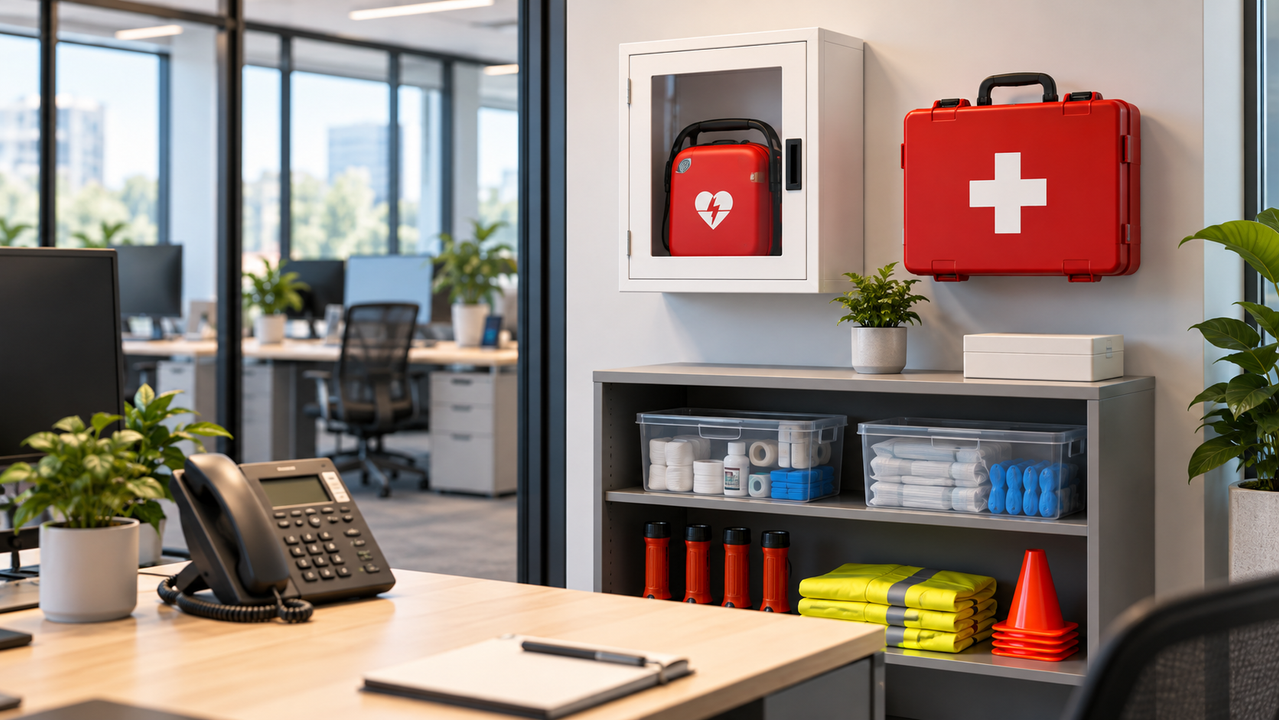
Taking Action: Applying Your Knowledge in Real EmergenciesPracticing Response Scenarios RegularlyRegular drills and practice sessions reinforce proper techniques and reduce hesitation during actual emergencies. Simulating scenarios involving severe bleeding helps build muscle memory and confidence. This preparation transforms theoretical knowledge into effective action. Equipping Your Environment with Essential SuppliesEnsuring access to first aid kits stocked with pressure dressings, gloves, and tourniquets is critical. Readily available supplies enable swift intervention and improve injury outcomes. Maintaining and checking these kits periodically guarantees readiness. Encouraging Community Awareness and TrainingPromoting awareness about how to respond to severe bleeding before emergency help arrives empowers more people to act effectively. Community programs and workplace training initiatives foster a culture of preparedness. Sharing knowledge and encouraging participation in courses like intermediate first aid training strengthens collective response capabilities.
Brampton First Aid CPR - MAIN 45 Bramalea Rd Unit 212, Brampton, ON L6T 2W4, Canada Phone: +18662423545 MAP: https://maps.app.goo.gl/UPCCW5FzWGzdNBqM7
| |||||
 |