Cascades, Ridges, and Heritage Near Franklin, NC 28734
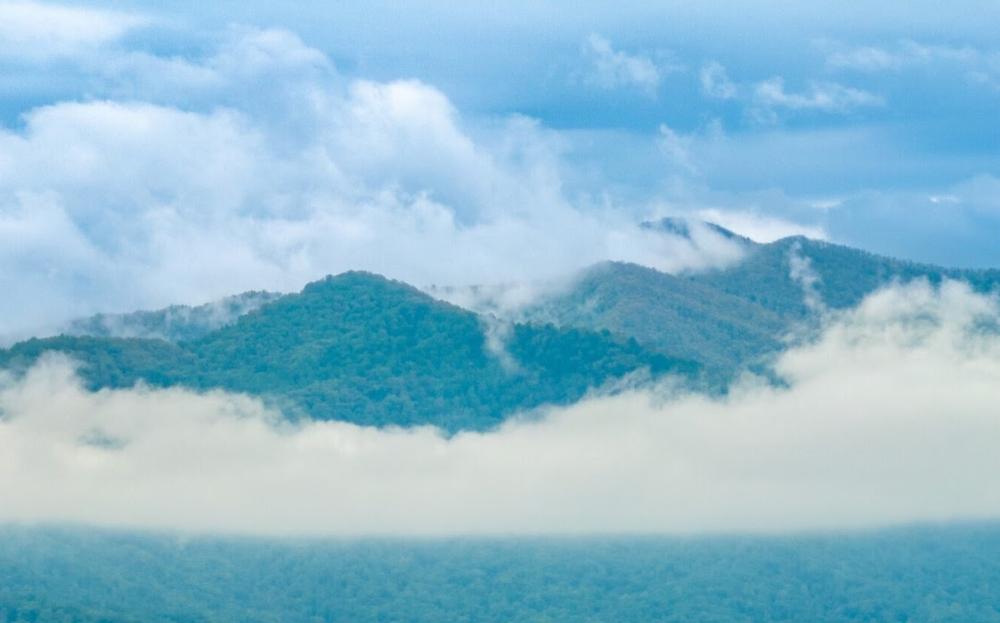
Forested slopes cradle a network of footpaths that weave through the Nantahala backcountry. Trails unfurl along ridgelines, dip into rhododendron tunnels, and rise toward windswept balds. Wayah Bald delivers an elevated promenade above cloudbanks, while Standing Indian Mountain anchors a high-country amphitheater of spruce and oak. Shorter rambles on the Little Tennessee River Greenway offer a civilized counterpoint—level pathways where herons patrol oxbows and benches invite unhurried reflection. The contrast between groomed greenway and untamed highland gives the region its distinctive cadence, inviting both ambitious treks and leisurely ambles.
Waterfalls of the Cullasaja Gorge
Between Franklin and Highlands, the highway shadows a tumultuous gorge where cascades stage their continuous performance. Dry Falls lets visitors stroll behind a thundering curtain, mist feathering the air with negative ions and a faint scent of moss. A bend down the road, Bridal Veil Falls pours over a rounded overhang, a geologic flourish sculpted by eons. Deeper in the forest, Mooney Falls and Rufus Morgan Falls require a bit of footwork, rewarding hikers with hushed coves and lacy veils of water. Seasonal rains amplify the resonance, turning rock amphitheaters into natural concert halls.
Cultural Footprints and Living History
Macon County shelters layers of story. The Cowee Mound speaks quietly of Cherokee stewardship and trade routes that pulsed with mica, quartz, and river pearls. In town, the Scottish Tartans Museum traces migrations and mountain kinships, illuminating how Highland patterns found new life in Appalachian weaving and song. Nearby, the Macon County Historical Society Museum curates pioneer tools, photographs, and newspapers that chronicle a valley adapting to rails, roads, and modernity. Together, these institutions transform an afternoon into a journey across centuries, linking present-day streets to footpaths worn long before state lines.
Scenic Byways and Serpentine Drives
Roads coil through hollows and ascend airy ridges, delivering views that seem to tilt toward infinity. The Mountain Waters Scenic Byway stitches together rivers, cascades, and forest overlooks in a single, sinuous excursion. Wayah Road rises toward a historic fire tower and descends to lakes dappled with sunlight and loon calls. Detours to Highlands or Cashiers add granite theater—sheer cliffs and heath balds that glow at dusk. Windows down, the fragrance of damp leaf litter and pine resin drifts through the cabin, an aromatic ledger of the passing woods.
Lakes, Glades, and Quiet Recreation
Nestled pockets of water provide respite after miles of exploration. Cliffside Lake, circled by an agreeable loop, invites picnics, birdwatching, and contemplative shoreline pauses. Van Hook Glade, nearby, cradles campsites beneath tulip poplar and hemlock, with night skies often crystalline after a frontal passage. Anglers work eddies on the Little Tennessee and Cullasaja, casting to rainbows and browns in riffled seams. Paddlers prefer calm dawns when the water’s surface mirrors hemlock spires and kingfishers trace arrowed flights across the coves.
Seasonal Color and Photographic Moments
Spring emerges with galax and trout lilies, a ground-level constellation beneath blooming dogwood. By June, rhododendron corridors create magenta funnels along creekside paths. Autumn unfurls a chromatic spectacle, ridge after ridge burning with maple, hickory, and sourwood. Winter pares everything back, revealing the architecture of the land—granite ribs, stacked stone, and far ridgelines etched sharp against polar-blue skies. Photographers favor daybreak on the balds and blue hour in the gorge, when water takes on a slate glow and rocks darken to obsidian.
Selected Places to Explore
- Wayah Bald and Fire Tower
- Standing Indian Mountain
- Little Tennessee River Greenway
- Dry Falls
- Bridal Veil Falls
- Mooney Falls
- Rufus Morgan Falls
- Cliffside Lake Recreation Area
- Van Hook Glade Campground
- Cowee Mound
- Scottish Tartans Museum
- Macon County Historical Society Museum
- Mountain Waters Scenic Byway
- Wayah Road Scenic Drive
- Cullasaja Gorge Overlooks
Practical Outings and Sample Itineraries
Constructing a day can be delightfully modular. Pair a sunrise at Wayah Bald with a mid-morning loop to Rufus Morgan Falls, then picnic at Cliffside Lake under cathedral-high poplars. Alternatively, devote an afternoon to the gorge: stroll behind Dry Falls, linger at roadside pullouts where whitewater braids through granite, and conclude with a twilight amble on the Greenway as fireflies stitch luminous threads over the river. History-minded travelers might spend a morning in town’s museums before driving to Cowee to contemplate the mound’s earthen symmetry and the enduring narrative it represents.
Stewardship and Seasonality
Mountain ecosystems reward care. Trails hold better when boots stay centered, cascades sparkle when litter leaves with visitors, and wildlife flourishes with quiet observation. Seasonal awareness matters: summer storms can swell creeks swiftly, while winter mornings may glaze shaded stairways with rime. Preparation—layers, water, and a paper map in case signals fade—ensures the day remains focused on wonder rather than logistics. In these hills, attentiveness is a form of gratitude, and the landscape responds with moments that feel both intimate and immense.
Waterfalls, Balds, and Heritage: Exploring the Franklin, NC 28734 Region
Within a short drive of downtown, the Highlands Road corridor unfurls a procession of cascades carved into ancient granite. Dry Falls invites visitors to slip behind a gauzy curtain of water, the roar reverberating through mist-laden air. A few bends away, Bridal Veil Falls drapes elegantly across polished rock, accessible from a roadside pull-off that rewards patience and caution. Downstream, Cullasaja Falls churns in stair-stepped fury, framed by laurel and rhododendron that bloom with theatrical flourish in late spring. Each waterfall offers distinct moods—thunderous, serene, or delicate—shaped by rainfall, season, and light. Photographers benefit from overcast mornings that soften glare; families prefer midday when visibility along pull-outs is at its peak. Respect guardrails and signage, and treat slick rock as treacherous terrain.
High Country Balds and Panoramic Lookouts
Elevate the day—literally—on Wayah Bald, where a stone lookout tower crowns the summit like a sentinel above converging ridgelines. On clear days, the horizon unfurls a tapestry of peaks reaching into neighboring states. Interpretive panels hint at a layered past: trail corridors, fire management practices, and the remarkable ecology of Southern Appalachian balds. Hikers seeking a robust outing can pivot southwest to Standing Indian Mountain. Its loop trails weave through cove forests into spruce-fir enclaves, culminating in a crown of views at sunset that linger in the mind long after the descent. Bring layers; even summer afternoons can swing toward brisk at elevation, and cloud banks can materialize with little warning.
Ancient Footprints and Community Memory
The Nikwasi Mound, set near the heart of town, preserves centuries of human presence. This earthen platform, tied to Cherokee history, embodies continuity and stewardship. Nearby, the Franklin Gem & Mineral Museum houses a beguiling array of local specimens—rubies, sapphires, garnets—illuminating the valley’s geologic bounty and its mining heritage. Together, these sites thread culture and science, encouraging visitors to consider how mountains shape communities—and vice versa. For deeper context, attend seasonal heritage talks or pair a visit with a drive through Cowee Valley, where old farmsteads and churches signal resilient traditions.
Greenways, Lakes, and Reflective Interludes
The Little Tennessee River Greenway meanders through fields, wetlands, and shady groves, offering repose after high-elevation exploits. Cyclists glide along smooth stretches while walkers drift past bird-rich backwaters. Benches invite quiet contemplation, and occasional art installations add a civic flourish. For a cool retreat, Cliffside Lake Recreation Area delivers placid water, picnic nooks, and short loop trails punctuated by rhododendron tunnels. Anglers ply the shoreline; families settle onto blankets beneath tulip poplars. These gentler landscapes round out the region’s portfolio—less thunder, more whisper—ideal for unhurried afternoons.
Trail Craft and Seasonal Rhythms
Franklin straddles two marquee long-distance paths: the Appalachian Trail crosses at Winding Stair Gap, and the Bartram Trail traces botanical curiosity across ridges and rivers. Day hikers can sample either on short out-and-back excursions that feel remarkably remote within minutes. Spring unfurls an herbarium underfoot—trillium, bloodroot, and foamflower—while autumn drenches slopes in russet and gold. In summer, start early to capture cool air and open parking at popular pull-offs. Winter reveals stark beauty and far-reaching visibility, but ice lingers on shaded steps near waterfalls. Microspikes and trekking poles prove prudent in shoulder seasons.
Safety, Stewardship, and Practicalities
Mountain corridors concentrate beauty and risk in equal measure. Shoulders along US 64 can be narrow; use designated overlooks, heed posted signs, and never scramble beyond barriers for a photograph. Afternoon storms can arrive with theatrical velocity—check radar and retreat before thunder dictates your itinerary. Pack out everything, including fruit peels, which linger in mountain microclimates far longer than expected. Where crowds gather, a dawn arrival transforms the experience; waterfalls glow softly, birdsong carries, and the road remains tranquil.
Closing Reflections
Franklin’s surrounding country presents a mosaic—roaring cascades, sky-swept balds, ancient earthworks, and greenway interludes—stitched together by winding byways and well-tended paths. Move deliberately. Let each setting dictate its tempo. The result is a day, or several, that feels both grounded in place and expansively memorable, an itinerary measured not just in miles but in moments where water, stone, and story converge.
