Tanjung Puting Tour: Borneo's Premier Orangutan Adventure | |||||||||||
|
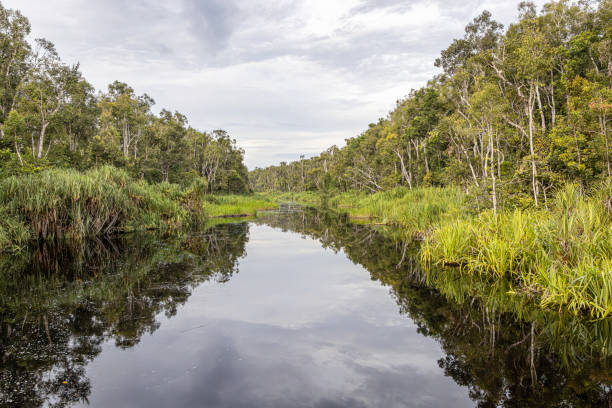
Borneo's Tanjung Puting National Park stands as one of the world's most significant Orangutan sanctuaries, drawing wildlife enthusiasts and conservation-minded travelers from across the globe. This sprawling protected area in Central Kalimantan offers an unparalleled opportunity to observe these intelligent primates in their natural habitat while supporting crucial preservation efforts. A Tanjung Puting tour provides visitors with transformative encounters that deepen understanding of rainforest ecosystems and Orangutan behavior. Whether you're a first-time nature explorer or seasoned wildlife photographer, the park's diverse landscapes and resident populations create unforgettable memories and meaningful connections to one of Earth's most endangered species. Understanding Tanjung Puting National Park's SignificanceEstablished in 1982, Tanjung Puting National Park spans nearly 415,000 hectares of pristine Bornean rainforest. The park protects one of the world's largest remaining populations of wild Orangutans, estimated at around 6,500 individuals. This critical conservation zone also harbors gibbons, proboscis monkeys, crocodiles, and hundreds of bird species within its complex river systems and dense vegetation. The park's strategic location along the Sekonyer and Lamantik rivers makes it accessible to international visitors while maintaining ecological integrity essential for species survival. The Authentic Orangutan Tour ExperienceAn Orangutan tour through this remarkable ecosystem typically begins with early morning river journeys aboard traditional wooden boats. Experienced guides navigate waterways while sharing detailed knowledge about rainforest flora, fauna, and Orangutan social structures. Visitors witness these magnificent creatures foraging, building nests, and interacting within family groups across canopy levels. Multiple viewing opportunities throughout multi-day expeditions increase chances of close encounters with different Orangutan populations, from mothers with dependent offspring to solitary adult males establishing territories. River Exploration and Wildlife EncountersThe Sekonyer River serves as the park's primary transportation corridor, revealing extraordinary biodiversity at every bend. Morning and afternoon boat journeys typically yield sightings of proboscis monkeys with their distinctively large noses, agile gibbons performing acrobatic displays through treetops, and various water birds hunting along riverbanks. Night safaris reveal nocturnal species including slow lorises, flying squirrels, and insects adapted to darkness. Camping at riverbank research stations like Camp Leakey and Tanjung Harapan immerses visitors in authentic rainforest experiences while supporting ongoing scientific research and Orangutan rehabilitation programs. Conservation Impact and Responsible TourismChoosing reputable tour operators ensures tourism revenues directly support park preservation and Orangutan welfare. Established operators maintain strict viewing protocols protecting wild Orangutan populations from habituation and stress. Many tours incorporate visits to rehabilitation centers where orphaned and injured Orangutans receive care before potential release into protected forest areas. This educational approach helps visitors understand complex conservation challenges, including habitat loss from deforestation and palm oil expansion, while demonstrating tangible solutions. Participating in responsible Orangutan tourism becomes an active contribution to species survival and ecosystem protection. Planning Your Tanjung Puting AdventureMost tours depart from Pangkalan Bun, Central Kalimantan, accessible via commercial flights from major Indonesian cities. Standard three-day expeditions balance river exploration, wildlife observation, and research station visits with adequate rest periods. Longer programs extending to seven days offer deeper immersion and increased wildlife encounter opportunities. Tour operators provide boats, experienced guides, camping accommodations, and meals, though visitors should pack lightweight rain gear, insect repellent, binoculars, and cameras. Physical fitness requirements vary by program length and activity intensity, with most tours suitable for reasonably active participants across age ranges. Seasonal Considerations and Best Times to VisitTanjung Puting tours operate year-round, though seasonal variations affect accessibility and wildlife activity. The dry season from May to September typically offers optimal conditions with lower water levels making wildlife spotting easier, though roads may be dusty. The wet season from October to April brings higher water levels supporting easier river navigation and lush vegetation, though increased rainfall can limit outdoor activities. Orangutan visibility remains relatively consistent across seasons due to their year-round forest presence, though wet-season river swelling occasionally restricts boat access to certain areas. Conclusion: Transformative Borneo Encounters AwaitA Tanjung Puting tour represents far more than a typical wildlife vacation—it's an immersive educational journey connecting visitors with critically endangered species and pristine ecosystems under increasing pressure. The park's remarkable Orangutan populations and biodiverse environments create profound experiences that inspire lifelong conservation commitment. By participating in responsible tourism that prioritizes wildlife welfare and rainforest protection, visitors become active participants in preservation efforts ensuring these magnificent primates and their habitat endure for future generations. Whether observing Orangutans navigating forest canopies or learning from dedicated researchers, Borneo's Tanjung Puting National Park offers transformative encounters impossible to forget. For travelers seeking meaningful wildlife experiences with genuine conservation impact, explore renowned tour operators offering authentic travel experiences that protect both animals and ecosystems.
| ||||||||||
 |