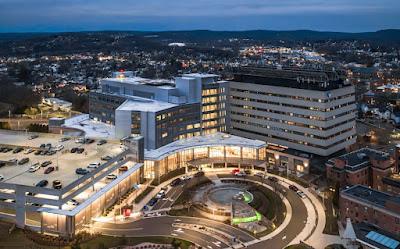
A Tapestry of Nature and Neighborhoods
Danbury unfolds like a living atlas, where wooded ridgelines frame a lively downtown and a deep reservoir of history courses through everyday streets. The scenery feels both intimate and expansive. Forested hollows invite quiet exploration. Urban blocks hum with galleries, cafés, and restored façades that whisper of earlier eras. Meandering between these settings reveals a locale with personality, provenance, and a flair for reinvention.
- Tarrywile Park & Mansion: A pastoral expanse of meadows, ponds, and stone-walled lanes encircling a stately Victorian-era mansion; footpaths crest at overlooks with far-reaching views.
- Bear Mountain Reservation: Piney bluffs above Candlewood Lake where the breeze carries the scent of resin and freshwater; trails end at rocky promontories ideal for sunset contemplation.
- Lake Kenosia Park: A serene waterside lawn with a loop trail and picnic nooks; waterfowl trace lazy arcs across the lake at dawn and dusk.
Echoes of the Past, Preserved and Present
Heritage sites around Danbury form a compelling palimpsest. Railroading, Revolutionary struggle, and the early American arts intersect here with unexpected eloquence. A short walk or drive can move you from depot architecture to colonial hearths to the birthplace of a modernist composer whose rhythms still reverberate across amphitheaters today.
- Danbury Railway Museum: Housed in the 1903 station, this depot showcases rolling stock, signal lore, and the tactile heft of the rail age; weekend yard tours animate the experience.
- Danbury Museum & Historical Society: A constellation of historic buildings—Huntington Hall, Rider House, and more—where domestic artifacts and town chronicles come to life.
- Charles Ives Birthplace: The modest home where the iconoclastic composer began; interpretive displays trace his experimental harmonics back to New England hymnody.
- Putnam Memorial State Park (Redding/Bethel): Earthworks, chimneys, and parade grounds memorialize winter encampments from the Revolutionary War; interpretive signage clarifies troop movements and camp routines.
Water, Woodlands, and the Rhythm of the Seasons
The countryside here is more than backdrop; it’s a four-season stage. In spring, vernal pools awaken. Summer brings lake breezes. Autumn’s chromatic leaves give way to crystalline winter mornings. The continuity of trails suggests both escape and return, a ritual of revisiting favorite bends and boulders with shifting light.
- Candlewood Lake: Connecticut’s largest lake, carved into the landscape by early hydroelectric ambitions; coves shelter paddlers while open reaches beckon sailors.
- Still River Greenway (Danbury/Brookfield segments): A smooth corridor for cyclists and strollers with marsh overlooks and interpretive panels about river restoration.
- Lovers Leap State Park (New Milford): A high-span vista over the Housatonic’s narrows; the gorge’s sheer walls glow amber in late-day light.
- Collis P. Huntington State Park (Redding/Bethel/Newtown): Undulating trails, glacial erratics, and bronze animal sculptures by Anna Hyatt Huntington lend an art-in-nature frisson.
Arts, Performance, and the Civic Imagination
Culture here is not sequestered; it spills onto lawns, bandstands, and campus greens. Performance venues pair acoustics with open sky, while contemporary galleries challenge habits of seeing. The effect is catalytic—an invitation to linger, listen, and be surprised.
- Ives Concert Park: An amphitheater in a leafy bowl on the Westside campus; water, stage, and lawn weave a harmonious triad for orchestras and festivals.
- The Aldrich Contemporary Art Museum (Ridgefield): Rotating exhibitions emphasize ideas over spectacle; sculpture lawns unfold like a quiet conversation with space.
- Ridgefield Playhouse: A restored venue with a convivial glow, curating film series, talks, and concerts that traverse genres and generations.
Recreation, Leisure, and Local Rituals
Weekends gather momentum around greens, ice rinks, fairgrounds, and community promenades. Leisure here feels both convivial and grounded. There’s golf beneath sycamores, skating under bright lights, and the occasional fair that transforms a parking expanse into a carousel of aromas and color.
- Richter Park Golf Course: A sylvan layout threaded by ponds and the Ives Trail Greenway; morning tee times unfurl amid dew and birdsong.
- Danbury Ice Arena: A brisk, high-energy setting for public skates, youth leagues, and figure sessions; downtown cafés nearby warm the après-skate hour.
- Rogers Park & War Memorial: Ballfields, a rose garden, and civic remembrance in one campus; summer evenings often echo with tournament cheers.
- Danbury Fair Mall: A modern agora where public art, seasonal displays, and a spectrum of eateries punctuate an afternoon’s ramble.
Culinary Corners and Neighborhood Strolls
Exploring Danbury’s districts reveals pocket parks, historic storefronts, and a dining scene that rewards curiosity. From quick bites to white-linen evenings, the spectrum mirrors the city’s polyglot heritage. Streetscapes offer charming juxtapositions: brick cornices, neon, and the soft glow of café windows on rainy nights.
- Downtown Main Street: Restored façades, public murals, and a variety of eateries make a leisurely circuit feel like a progressive tasting and a history walk at once.
- Bethel’s Greenwood Avenue (nearby): Bookshops, bakeries, and a vintage movie theater create an old-town cadence perfect for unhurried browsing.
- New Milford Green: A classic New England green with a bandstand and seasonal markets; antique shops and bistros ring the perimeter with inviting stoops.
Practical Pathways for an Unrushed Itinerary
Crafting a satisfying day here benefits from gentle pacing. Pair morning woodland loops with an afternoon gallery visit. Let a lakeshore picnic segue into an evening performance. The distances are short, yet the contrasts are striking, inviting a rhythm that feels restorative rather than hurried.
- Morning: Start with a circuit at Tarrywile or Bear Mountain; bring binoculars for osprey and woodpeckers.
- Midday: Drift along the Still River Greenway or pause at Lake Kenosia with a sandwich and a paperback.
- Afternoon: Choose between the Railway Museum’s tactile history or contemporary provocation at The Aldrich.
- Evening: Unfold a blanket at Ives Concert Park or take a twilight stroll across downtown before dinner.
From forest hush to orchestral crescendos, from iron rails to rippling lakes, the Danbury area rewards attentiveness. The landscape and its cultural institutions form a complementary duet—one that invites return visits, each with a slightly different cadence and a fresh vantage point.
Lakes, Rails, and Ridge Walks Near Danbury, CT 06810
Introduction: A Landscape of Stories
Danbury’s rolling uplands, ribboned with lakes and old rail lines, present a compact atlas of New England character. Water glints through hardwood canopies. Granite rises in hushed bluffs. Downtown, brick facades whisper of an industrious past. A day spent here unspools moments of discovery—quiet coves, melodic concerts under the pines, and museum rooms steeped in craftsmanship.
Tarrywile Park & Mansion: Meadows, Orchards, and Gilded Rooms
On the south side of town, Tarrywile Park spreads across more than 700 acres of meadows, forest, and upland ledges. Trails roam past stone walls, vernal pools, and two placid ponds—Beaver and Parks—where turtles sun themselves on fallen logs. The mansion, a shingle-style jewel from the turn of the twentieth century, offers a window into genteel entertaining, its carved woodwork and verandas facing velvety lawns. Hikers can stitch together loops for a brisk hour or an unhurried afternoon. In autumn, sumac flares crimson along the paths, while spring brings trout lilies and the faint murmur of peepers. Family picnics feel timeless here; the skyline softens, and conversation floats on the breeze.
Danbury Railway Museum: Iron Horses and Hat City Lore
In the historic station downtown, the Danbury Railway Museum preserves the clang and cadence of the rail age. Beyond the ticket hall’s vaulted ceiling, a yard of vintage rolling stock rests on a spiderweb of tracks. Visitors can walk through restored coaches, peer into a caboose, and study signal systems that once choreographed the valley’s lifeblood. The museum interlaces rail history with Danbury’s manufacturing narrative—felt hats, freighted by the carload, once fueled prosperity. Occasional yard rides delight younger visitors, while model layouts sketch entire towns in miniature. The smell of creosote and steel somehow makes the past feel immediate.
Candlewood Lake’s Danbury Shores: Coves, Launches, and Long Light
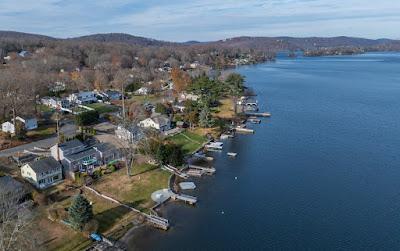
At the city’s northwest edge, Candlewood Lake throws a wide, shimmering net. Along Danbury’s shoreline, public access points and parks invite languid afternoons and active interludes alike. Paddlers slip from quiet launches at dawn when the water is a mirror and herons stalk the reeds. Later, sailboats stipple the horizon. Onshore, families settle beneath maple shade, and anglers cast for smallmouth with unhurried patience. The lake’s serpentine coves reward exploration; each bend reveals a new pocket of calm. Sunset is theatrical here. The hills take on a violet hush, and the water answers with molten gold.
Bear Mountain Reservation: Granite Ramps and Wild Solitude
A short drive from downtown delivers a genuine woodland interlude at Bear Mountain Reservation. The trail network ascends gently at first, then tightens along rocky ribs. Lookouts slip between branches, offering glimpses of Candlewood’s blue geometry and the patchwork of neighborhoods below. Underfoot, lichened stones and pine duff create a soft, aromatic tread. Birdsong is plentiful—towhees, thrushes, and the occasional hawk riding a thermal. Even brief hikes yield a feeling of remove, the kind that recalibrates a busy week. In winter, the ridges crunch under boot, and the air carries the clean edge of snow.
Ives Concert Park and Cultural Green: Music in a Woodland Bowl
Anchored on the Westside campus of Western Connecticut State University, Ives Concert Park blends amphitheater acoustics with woodland ambience. Performances unfurl beside a reflective pond, where dragonflies stitch the air during summer symphonies. The space hosts festivals, community gatherings, and open-air theater, each event threading culture into the landscape. Nearby trails loop around water and through stands of white pine, inviting a pre-show stroll. When the lights rise and a horn section swells, the surrounding pines become silent audience members, tall and attentive.
Danbury Museum & Historical Society: Mansions, Workshops, and City Memory
Along Main Street, a cluster of preserved buildings—Huntington Hall, Rider House, and more—forms the Danbury Museum & Historical Society campus. Inside, curated exhibits trace the city’s evolution from agrarian crossroads to manufacturing powerhouse. Period rooms reveal domestic textures: spindle beds, braided rugs, and meticulous joinery. Beyond household scenes, rotating displays examine trades, civic life, and the shifting skyline. Docent-led insights illuminate the human side of artifacts—who used these tools, how communities gathered, why certain streets shaped commerce. Stepping outside, the modern avenue feels in dialogue with its own origins.
Also Worth Exploring
- Richter Park Golf Course’s lakeside fairways and late-day glow
- Still River Greenway’s paved ribbon through meadow and marsh
- Charles Ives Birthplace, a modest house with outsized musical resonance
- Putnam Memorial State Park’s earthworks and winter encampment echoes
- Weir Farm National Historical Park’s pastel studios and sunlit fields
- Lovers Leap State Park’s span above river cliffs and swirling eddies
- Bennett Memorial Park’s athletic greens and family picnic nooks
- Aldrich Contemporary Art Museum’s thought-provoking installations
- Squantz Pond State Park’s mountain-edged swimming beach
- Wooster Mountain’s rugged woods and seasonal trail pursuits
Practical Moments and Seasonal Nuance
Trails here reward sturdy shoes and a water bottle year-round. Summer brings lake breezes; autumn carpets the paths in russet and gold. Winter hushes the ridges, ideal for contemplative walks. Parking areas at major sites are well signed, and many venues host community events that change with the calendar. A single weekend can balance museum quietude, shoreline meanderings, and a ridge walk—each within a short drive, yet worlds apart in mood.
