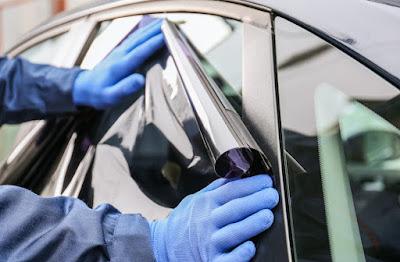
Automotive window tint has evolved from a simple style upgrade into a practical solution tailored for hot, sunny regions. In places where the sun is a daily factor, drivers look for films that reduce interior heat, protect upholstery, and help maintain clear visibility. Understanding the materials, performance characteristics, and legal boundaries helps vehicle owners make confident decisions that pay off in comfort and longevity.
Heat and UV Realities in the Valley
Drivers contend with intense sunlight, soaring interior temperatures, and extended daily exposure. Quality tint can help keep the cabin more manageable, reduce glare that causes eye strain, and limit fading of dashboards and seats. Films designed for high solar rejection are often the most desirable in these conditions because they are engineered to reflect or absorb a significant portion of solar energy while maintaining clarity.
Film Technologies and Performance
Modern films include dyed, metalized, carbon, and ceramic constructions. Each type balances heat rejection, color stability, interference potential, and price differently. Ceramic films are valued for clarity and substantial heat reduction without the signal interference sometimes associated with metalized films. Carbon films offer solid performance with a rich, non-reflective look. Dyed films primarily enhance appearance but may not match the durability and heat control of higher-tier options. Matching film type to driving habits and aesthetic preferences yields the best long-term result.
Legal Compliance and Quality Indicators
Before selecting a shade, it’s important to consider local regulations that dictate allowable darkness and reflectivity. Beyond shade, look for films with strong optical clarity, consistent color, and well-documented performance ratings. Professional-grade films typically include robust adhesive systems that resist bubbling and peeling, as well as scratch-resistant top coats. Clear communication about film specifications and warranty coverage helps set expectations for durability and appearance over time.
Installation Standards and Aftercare
Proper installation is crucial. Clean, dust-controlled environments support precise application, ensuring edges are tidy and contours fit seamlessly. After installation, follow guidance on curing times before rolling down windows. Gentle cleaning with non-ammonia products and soft towels maintains clarity and protects the scratch-resistant layer. These simple habits preserve the film’s integrity and keep the vehicle looking refined for years.
Complementary Exterior Care and ceramic coating phoenix
Automotive window tint enhances comfort and visibility inside the vehicle, while exterior surfaces also face harsh conditions. Ceramic coating phoenix is a term many drivers encounter when exploring ways to add hydrophobic protection and gloss to painted surfaces. While distinct from window tint, a ceramic coating can help make washing easier and support a well-kept look. When paired thoughtfully, interior comfort from tint and an exterior protection strategy can create a cohesive approach to vehicle care in the desert environment.
Numbered Considerations for Selecting Automotive Window Tint:
1. Climate Needs: Choose a film engineered for strong solar energy rejection to handle intense sun exposure and daily heat.
2. Optical Clarity: Ensure the film preserves visibility, especially for night driving and during low-light conditions.
3. Legal Fit: Confirm shade and reflectivity are within local guidelines to avoid issues down the road.
4. Material Type: Compare dyed, carbon, metalized, and ceramic films to find the right balance of performance and appearance.
5. Installation Quality: Prioritize clean, precise application to prevent bubbles, peeling, or contamination under the film.
6. Maintenance Plan: Use gentle cleaners and microfiber towels to protect coatings and preserve transparency.
7. Warranty Confidence: Review coverage for color stability, adhesion, and defects to protect your investment.
Choosing the right window tint is ultimately about matching performance and aesthetics to daily driving realities. A well-selected film elevates comfort, supports vehicle preservation, and lends a polished finish. With attention to climate, clarity, legal standards, and installation quality, drivers can enjoy a cooler, more refined ride year-round.
Beating the Heat: A Practical Guide to Automotive Window Tint in Desert Cities
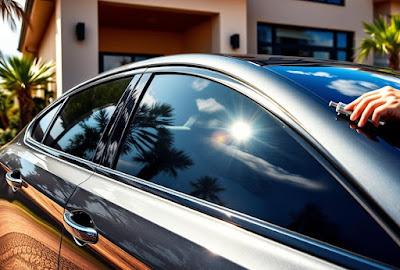
Main Heading: Why Window Tint Matters for Drivers in Hot, Sunny Regions
When temperatures soar and UV levels spike, protecting your vehicle’s interior and your eyes becomes more than a comfort upgrade—it’s a daily necessity. Automotive Window Tint helps manage heat, reduce glare, and improve privacy without changing how you drive. In desert cities and sunbelt communities, drivers depend on quality tint to make commutes calmer, cabins cooler, and upholstery last longer.
Local Climate Realities: auto tint phoenix Considerations
In areas known for long, bright summers, the sun’s intensity can degrade interior surfaces and cause strain during peak daylight hours. That’s where auto tint phoenix discussions often begin: with a focus on reliable films that handle continuous sunlight and road heat. The goal is a balanced approach—effective heat moderation, clear outward visibility, and a look that suits your vehicle. Choosing the right shade and film performance helps keep steering wheels, seats, and dashboards from becoming uncomfortably hot while maintaining a refined appearance.
Understanding Film Options and Performance
Automotive Window Tint is available in several film categories, each with practical benefits:
1. Dyed film: Helps reduce glare and add privacy while offering a classic, non-reflective look many drivers prefer.
2. Metalized film: Provides additional reflectivity for heat rejection but can appear more mirrored.
3. Hybrid film: Combines dyed and metalized layers for a balanced aesthetic and performance profile.
4. Ceramic film: Known for advanced heat and UV handling with minimal reflectivity, designed for clarity and modern performance.
5. Carbon film: Offers a rich matte appearance with durable color stability and dependable heat control.
No matter the type, prioritize optical clarity and a clean, uniform finish. Well-matched film and expert installation go hand-in-hand; a well-prepared surface and precise fitment help the film perform as intended.
Practical Benefits for Everyday Driving
Automotive Window Tint supports a better driving experience in ways that matter day-to-day:
1. Heat moderation: Helps keep cabin temperatures more manageable during sunlit commutes and parking.
2. Glare reduction: Cuts harsh reflections on glass and glossy surfaces for a more comfortable view of the road.
3. UV defense: Adds a layer of protection for skin and interior materials that face daily exposure.
4. Privacy enhancement: Makes it harder for passersby to see valuables, without altering the character of the vehicle.
5. Interior preservation: Helps fabrics, leather, and trim maintain their look by limiting direct sunlight over time.
These improvements work together to create a calmer environment that feels consistent from morning to evening drives.
Legal and Safety Considerations
Before tinting, review state and local regulations on visible light transmission and reflectivity. Regulations exist to preserve safety, including clear visibility at night and the ability for law enforcement and emergency personnel to see inside when necessary. Front windshield rules are often stricter than side and rear windows. Aim for a shade that balances comfort with compliance, and keep documentation of film specifications on hand.
Care and Longevity Tips
Proper maintenance helps tint look crisp and last. For the first few days after installation, avoid rolling down windows to allow edges to bond. Small haziness during curing is common and typically clears as moisture evaporates. When cleaning, use soft microfiber towels and ammonia-free glass cleaners to protect the film surface. Avoid abrasive pads and sharp tools that can scratch edges. With simple care, quality tint maintains clarity and uniform color over time.
Selecting an Installer with Confidence
Results depend on technique, workspace cleanliness, and film quality. Look for installers who explain film options clearly, discuss local legal requirements, and provide examples of recent work. A tidy shop environment and attention to detail often signal consistent results. Ask about film specifications and aftercare guidance so you know exactly how to maintain your tint once you drive away.
Well-chosen Automotive Window Tint can transform daily driving—especially where the sun is relentless—by improving comfort, clarity, and confidence behind the wheel.
Heat, Glare, and Protection: How Modern Car Care Keeps Drivers Comfortable
Understanding the Local Climate
Phoenix drivers face relentless sunshine, high cabin temperatures, and UV exposure that can fade interiors and strain air-conditioning systems. As a result, interest in solutions like auto tint phoenix and paint protection film phoenix continues to rise. These technologies help manage heat, reduce glare, and shield paint, all while supporting a polished look that stands up to desert driving. The right choices can extend vehicle life and boost everyday comfort without compromising style or visibility.
Why Window Tint Matters
Quality tint is about more than looks. In a place where the sun is a constant factor, automotive tinting phoenix is a practical way to reduce interior heat and filter harmful rays that contribute to fading and fatigue behind the wheel. Modern films are engineered for clarity and performance, offering a cooler cabin and a more relaxed driving experience. When choosing products, consider film construction, color stability, and warranty support, as these factors influence long-term satisfaction.
The Role of Ceramic Coatings
As vehicle owners seek durable finishes, ceramic coating phoenix has become a go-to option for protection and ease of maintenance. These coatings create a resilient layer that helps repel dirt and grime, making wash routines faster and more effective. For enthusiasts who want advanced performance, ceramic auto coating phoenix provides added slickness and hydrophobic qualities that keep surfaces looking cleaner between washes. While not a substitute for regular care, these coatings enhance gloss and help defend against the everyday wear of desert dust and sun.
Paint Protection Film Essentials
Paint protection film is a clear barrier designed to absorb the impact of road debris and environmental elements. By choosing paint protection film phoenix, drivers add a sacrificial layer that preserves color and clarity, especially on high-impact zones like hoods, bumpers, mirrors, and door edges. Today’s films are virtually invisible when installed correctly, blending seamlessly with factory paint and complementing other upgrades such as tint or coatings. The result is a more resilient finish that stands up to frequent highway miles and city driving alike.
Choosing the Right Installer
Quality materials perform best in skilled hands. The precision required for clean edges, bubble-free application, and full coverage is what separates a good outcome from a great one. When exploring options, look for shops that offer:
Maintenance and Longevity
Proper care extends the life of any protective upgrade. After tint installation, allow adequate curing time before cleaning windows. For paint protection film, use gentle wash techniques and avoid harsh chemicals to maintain clarity. Coated vehicles benefit from pH-balanced soaps and soft towels to prevent micro-marring. Routine checks for edge lifting or contamination help keep everything looking as intended, especially after long road trips or dusty conditions.
Legal and Practical Considerations
Before scheduling any work, review local guidelines on light transmission and reflectivity to ensure compliance. This is particularly important for front windows and windshields. Responsible choices keep visibility high and minimize the chance of issues down the road. Combining compliant films with professional installation ensures comfort, safety, and long-term value—from the daily commute to weekend adventures.
The Road Ahead
As materials evolve, films and coatings continue to improve heat rejection, optical clarity, and durability. For Phoenix drivers, these advances translate to a cooler interior, easier maintenance, and a finish that holds up under challenging conditions. With thoughtful selection and proper care, solutions like automotive tinting phoenix, ceramic coating phoenix, and paint protection film phoenix transform the driving experience—delivering comfort, protection, and a sleek, enduring shine.
Sun-Savvy Car Care in Phoenix: Protective Films, Coatings, and Window Tint Trends
Relentless sunshine, abrasive dust, and sudden temperature swings make the Valley a unique proving ground for exterior protection. Drivers want cooler cabins, glare reduction, and durable paint defense without sacrificing style or visibility. That’s where a smart mix of automotive window tint, clear films, and advanced coatings comes into play. In a climate where little mistakes can snowball into costly repairs, prevention is the winning strategy.

Window Tint as a Daily Comfort Upgrade
Automotive Window Tint helps reduce interior heat and can curb glare that strains the eyes on bright days. In practice, the best results come from precise installation, film quality matched to daily driving needs, and adherence to state regulations. When people talk about automotive tinting phoenix, they’re usually thinking about long drives on sun-washed freeways, cooler touchpoints like steering wheels and seats, and interiors that fade less over time. For many motorists, auto tint phoenix becomes the baseline upgrade that makes every commute more comfortable.
The Role of Films and Coatings in Paint Preservation
Even careful washing can’t undo damage from road grit or the fine dust that settles daily. That’s why more owners look to paint protection film phoenix as a transparent shield for high-impact zones like hoods, bumpers, and side mirrors. This clear barrier helps guard against chips and light abrasion from routine driving. On the slickness and cleanup side, ceramic coating phoenix is used to create a hydrophobic surface that makes washing faster and leaves finishes looking fresh longer. For enthusiasts who want a mirror-like gloss with straightforward upkeep, ceramic auto coating phoenix is often part of a layered strategy alongside window tint and clear film.
Five Essentials for Smart Protection Choices
Picking the right products and approach can feel overwhelming. Use this quick checklist to stay focused:
1) Match to Local Conditions: Phoenix drivers face UV, dust, and heat. Choose film and coating options that address those specific challenges.
2) Prioritize Quality Over Hype: Not all films or coatings are created equal. Look for proven performance and reputable sourcing.
3) Consider Layering: Many owners combine window tint for comfort, a clear film on impact zones, and a ceramic layer for easier cleaning.
4) Think Long-Term Care: Even protected cars need proper washes with pH-appropriate soaps, gentle mitts, and clean drying towels.
5) Follow Regulations: Window tint darkness has legal limits. Stay compliant to keep drives stress-free.
6) Inspect Workmanship: Clean edges, consistent coverage, and careful panel alignment are signs of attentive installation.
Care Routines That Keep Results Looking New
Protection doesn’t end at installation. Routine upkeep preserves clarity, gloss, and film integrity. Wash in the shade, start with a rinse to lift dust, and use a mild soap with plush microfiber to avoid swirls. Dry gently to prevent water spots. Skip abrasive polishes on protected areas, and avoid harsh chemicals that can dull finishes. If something looks off—like a stubborn contaminant—address it promptly before it bonds to the surface. With consistent care, tint stays clear, films remain nearly invisible, and coated paint keeps that just-detailed look longer.
Planning a Balanced Protection Strategy
Start by listing what matters most: cabin comfort, paint preservation, ease of washing, or a deeper gloss. Then allocate your budget accordingly. For daily drivers focused on temperature control and glare, window tint might be the top priority. If the car sees frequent highway miles, clear film on the front end could be a smart first step. Those who want a slick finish and simple maintenance can round things out with a ceramic layer. In Phoenix, the most durable results often come from a measured approach that respects the climate, favors quality materials, and relies on meticulous technique from start to finish.
Desert-Proof Your Ride: Smart Protection Strategies for Phoenix Drivers
Protecting a vehicle in the Valley of the Sun takes more than routine washes and the occasional wax. Constant UV exposure, dust, and heat can dull paint, fade interiors, and reduce driving comfort. Phoenix motorists are turning to layered strategies that pair glass and paint protection to stand up to the desert. From automotive tinting phoenix to durable surface treatments, a thoughtful plan helps preserve looks and value year-round.
The Phoenix Climate Demands a Protective Game Plan
Window film is the first line of defense against solar load. Quality automotive window tint can reduce glare for safer driving and help limit interior heat buildup. For residents researching auto tint phoenix, film selection should consider shade level, infrared rejection, and state regulations. Beyond comfort, a stable, colorfast film helps protect upholstery and dashboards from fading, keeping cabins fresher over time.
The Role of Modern Paint Protection
Phoenix dust is abrasive, and freeway travel can kick up pebbles that chip clear coat. That’s where clear bras and wrap-style films step in. Paint protection film phoenix is engineered to absorb minor impacts and resist staining from bug acids and road grime. On daily drivers and weekend toys alike, a precision-installed film on high-impact zones—hood, fenders, mirrors, and bumpers—creates a nearly invisible shield that helps keep factory paint looking sharp.
Ceramic Coatings for Gloss and Easy Care
Hand washing in desert conditions can induce micro-marring if grit isn’t flushed away first. Ceramic coating phoenix adds a slick, hydrophobic barrier that helps water and dirt sheet off, making gentle washes more effective. With a well-prepped surface, ceramic auto coating phoenix enhances depth and gloss while making it tougher for contaminants to bond. This means less scrubbing, fewer swirls, and a cleaner look between washes.
Building a Layered Defense That Works Together
There’s no one-size-fits-all answer, but combining window film, paint protection film, and a ceramic topcoat creates complementary benefits. Film handles glass comfort and UV, the PPF takes on physical impacts, and the coating eases maintenance while amplifying shine. When chosen and installed correctly, these layers work in harmony rather than overlap unnecessarily.
How to Choose the Right Solutions
When evaluating options—whether automotive tinting phoenix, paint film, or coatings—consider these points:
1) Climate fit: Prioritize heat and UV reduction for glass, and impact resistance for paint in high-debris corridors.
2) Material quality: Look for reputable, warrantied films and proven ceramic formulations with strong chemical resistance.
3) Installation expertise: Clean-room prep, precise plotting, and careful edge work affect performance and appearance.
4) Maintenance needs: Match your wash routine to products that simplify upkeep without harsh abrasives.
5) Aesthetic goals: Decide on tint shade, film coverage areas, and the level of gloss or a more natural finish.
6) Longevity expectations: Opt for solutions that balance durability with the ability to refresh or remove down the road.
7) Budget planning: Allocate funds to high-impact areas first, then expand protection as resources allow.
Care Tips for Long-Lasting Results
After installation, stick to gentle wash methods. Rinse thoroughly to lift dust before contact, use pH-balanced soap, and dry with clean microfiber towels. Avoid automatic brushes that can grind grit into surfaces. For coated and filmed panels, periodic inspections help catch edges that may need attention. On glass, keep seals clean and consider a shaded parking spot when possible to reduce thermal cycling.
Phoenix-Ready Peace of Mind
A desert-ready vehicle should feel cooler, clean up easier, and resist the daily barrage of sun and grit. By thoughtfully pairing solutions like paint protection film phoenix with ceramic coating phoenix—supported by careful auto tint phoenix film choices—drivers can preserve clarity, color, and comfort. With a practical plan and steady maintenance, your ride stays sharp through monsoon dust, summer heat, and every mile in between.
Glare Reduction Techniques for Safer Desert Highway Driving
Driving in Phoenix and across Arizona highways often means dealing with intense sunlight that reflects off asphalt, surrounding vehicles, and open desert terrain. Glare is more than a comfort issue—it directly affects reaction time, visibility, and overall driving safety. Window tinting is one of the most effective ways to manage glare, but it works best when combined with smart driving habits and proper film selection.
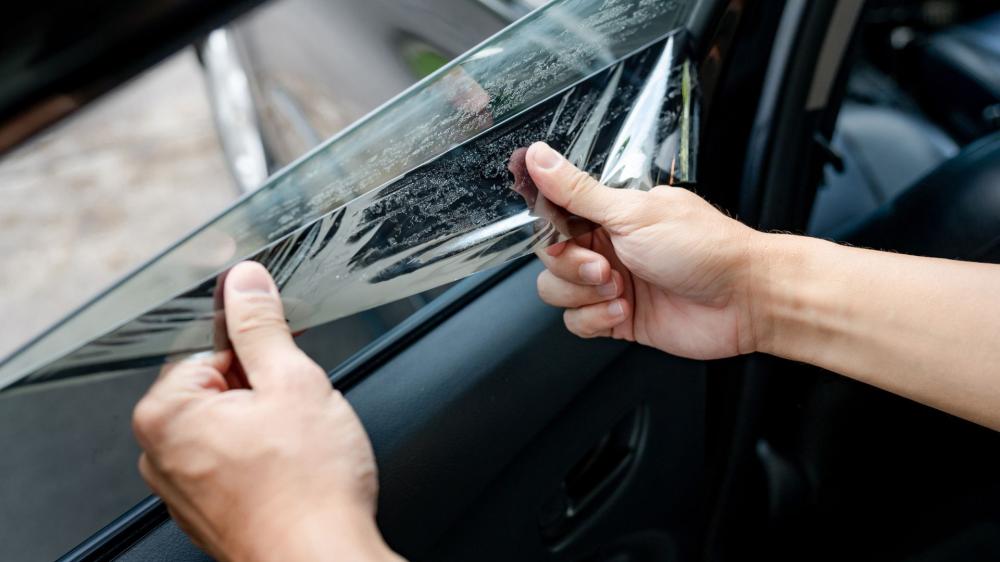
How Glare Affects Driving Performance
Glare occurs when bright sunlight overwhelms the eye’s ability to adjust to changing light conditions. On desert highways, this can happen frequently during sunrise and sunset when the sun sits low on the horizon. The result is reduced contrast, difficulty seeing lane markings, and delayed reaction to surrounding traffic. Over time, this visual strain can also lead to fatigue, making long drives more exhausting.
Role of Window Tint in Reducing Brightness
Window tint helps reduce glare by filtering incoming light before it reaches the driver’s eyes. Instead of blocking visibility, it softens harsh brightness levels and improves contrast between objects on the road. This allows drivers to maintain clearer awareness of vehicles, signage, and road edges even in strong sunlight conditions.
Importance of Balanced Tint Levels
While darker tint can reduce glare, it is not always the safest solution. Excessively dark windows may limit visibility during nighttime driving or in shaded areas such as tunnels and parking structures. A balanced tint level ensures that daytime glare is reduced while still maintaining safe visibility in low-light conditions. Modern ceramic films are particularly effective because they manage glare without requiring very dark shades.
Additional Driving Techniques for Glare Control
Beyond tinting, simple driving adjustments can improve safety. Wearing polarized sunglasses reduces surface reflections from dashboards and windshields. Keeping the windshield clean also minimizes light scatter caused by dust or smudges. Adjusting sun visors strategically and maintaining a proper following distance helps reduce the impact of sudden brightness changes.
Desert Highway Challenges
Arizona highways often feature long, open stretches where sunlight exposure is constant. Unlike urban environments with buildings and shade, desert roads offer little protection from direct light. This makes glare management especially important for drivers traveling between cities or commuting during peak daylight hours.
Combining Technology and Awareness
Modern vehicles also include features like adaptive lighting and advanced windshield designs that help reduce glare. When combined with quality window tint, these systems create a layered approach to visibility improvement. However, driver awareness remains the most important factor in safe travel under bright conditions.
Glare reduction is not about eliminating sunlight but managing it effectively. With the right combination of tint, driving habits, and awareness, desert highway driving becomes significantly safer and less stressful.
Window Tint vs Factory Glass: What Drivers Should Know
Many drivers assume that factory glass already provides enough protection from heat and sunlight, but in desert environments like Phoenix, there is a significant difference between standard factory glass and professionally installed window tint. Understanding this difference helps drivers make informed decisions about comfort, protection, and long-term vehicle care.
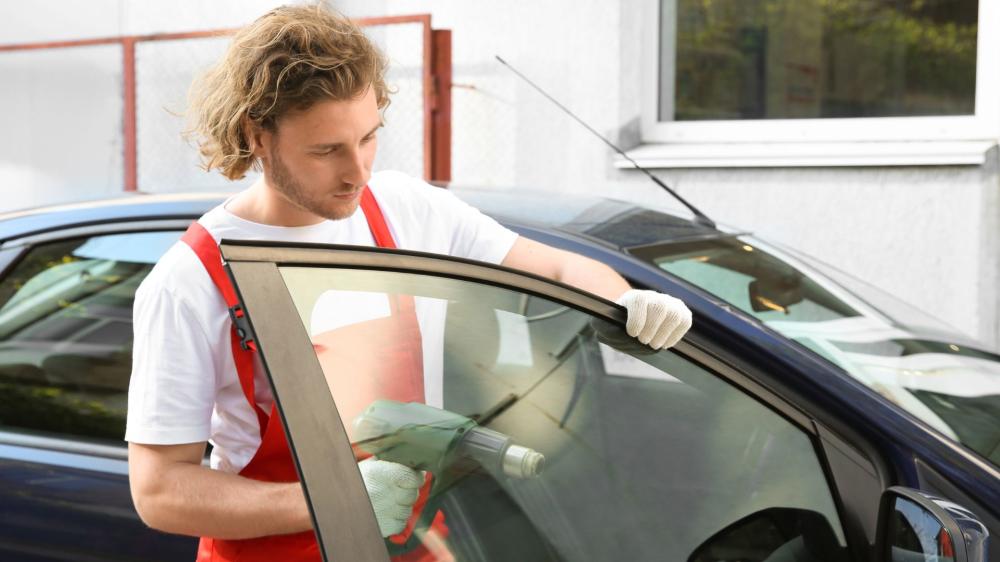
Factory glass typically includes a light tint built into the material during manufacturing. This tint provides a basic level of glare reduction and UV filtering, but it is not designed for extreme heat rejection. In high-temperature climates, this built-in protection is often not enough to maintain comfortable cabin temperatures.
Window tint film, on the other hand, is an aftermarket solution designed specifically to enhance performance. It can significantly reduce infrared heat, block a higher percentage of UV rays, and improve overall visibility comfort. This makes it especially valuable for vehicles frequently exposed to direct sunlight for long periods.
One key advantage of window tint is customization. Unlike factory glass, which is fixed, aftermarket films allow drivers to choose different levels of heat rejection, shade, and clarity. This flexibility means drivers can tailor their vehicle’s performance based on personal preference and driving conditions.
Another important difference is interior protection. While factory glass offers some UV resistance, it does not fully prevent long-term damage to dashboards, seats, and trims. Window tint adds an additional protective layer that helps slow fading, cracking, and discoloration caused by constant sun exposure.
Heat management is another major factor. Factory glass alone allows a large portion of solar heat to enter the cabin, causing rapid temperature buildup when parked outdoors. Window tint helps significantly reduce this heat load, making it easier for the air conditioning system to cool the interior once driving begins.
From a comfort perspective, tinted windows create a more stable driving environment. Reduced glare, lower cabin temperatures, and improved visual clarity all contribute to a less stressful driving experience, especially during peak summer months.
While factory glass provides a baseline level of protection, it is not designed for extreme desert conditions. Window tint enhances that baseline, creating a more controlled, comfortable, and protective environment for both driver and passengers.
In summary, factory glass is a starting point, but window tint transforms that starting point into a high-performance solution tailored for harsh sunlight and heat.
Choosing the Right Tint for SUVs, Sedans, and Trucks in Phoenix
Not all vehicles experience sunlight and heat in the same way, which means window tint choices should be tailored to vehicle type. SUVs, sedans, and trucks each have different glass sizes, cabin layouts, and usage patterns that influence how tint performs in real-world driving conditions—especially in a hot desert environment like Phoenix.
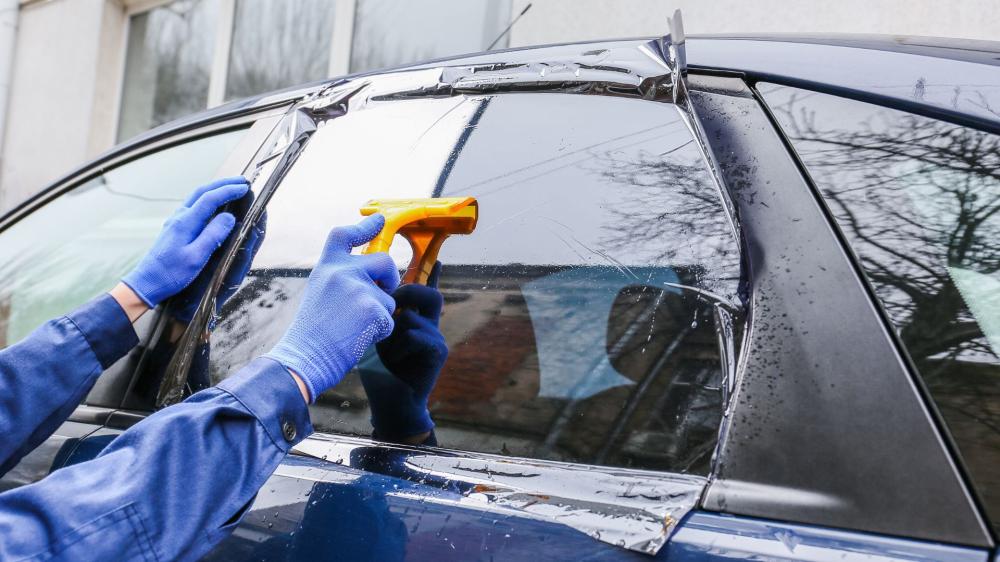
SUVs: Balancing Size and Passenger Comfort
SUVs typically have larger windows and more interior space, which means they are exposed to more sunlight overall. Rear passengers especially benefit from stronger heat reduction and UV protection. Many SUV owners choose slightly darker rear tint for privacy and comfort, while keeping front windows lighter for visibility and legal compliance. This balance helps maintain a comfortable cabin temperature across all seating rows.
Sedans: Focus on Visibility and Daily Commutes
Sedans are often used for daily commuting, making visibility and balanced performance key priorities. Since sedans have a lower cabin height and smaller glass surface area, heat buildup can still be intense during long parking periods. A moderate tint that reduces glare without affecting night driving visibility is usually the most practical choice. Ceramic films are especially popular for sedans due to their clarity and strong heat rejection.
Trucks: Functionality and Exposure Control
Pickup trucks often have larger front cabins with extensive windshield exposure and may be used for both work and personal driving. Because trucks are frequently parked in open job sites or exposed environments, interior heat management becomes critical. Tinting helps protect dashboards and seats while improving comfort during long drives. Rear windows may also be tinted for tool security and cargo privacy.
Windshield Considerations Across All Vehicle Types
Regardless of vehicle type, windshield tinting must remain minimal and compliant with legal standards. A light sun strip or clear heat-rejecting film at the top of the windshield can help reduce glare without affecting forward visibility. This is particularly useful during sunrise and sunset commutes in desert regions.
Heat Load Differences Between Vehicles
Larger vehicles like SUVs may take longer to cool due to increased interior volume, while sedans can heat up quickly due to compact cabins. Trucks often experience direct sun exposure through larger windshield angles. These differences highlight why a one-size-fits-all approach does not work for tint selection.
Matching Tint to Driving Lifestyle
The best tint choice depends not only on vehicle type but also on how it is used. Daily commuters, rideshare drivers, and outdoor workers may prioritize heat rejection, while occasional drivers might focus more on aesthetics and light privacy. Understanding usage patterns ensures better long-term satisfaction.
