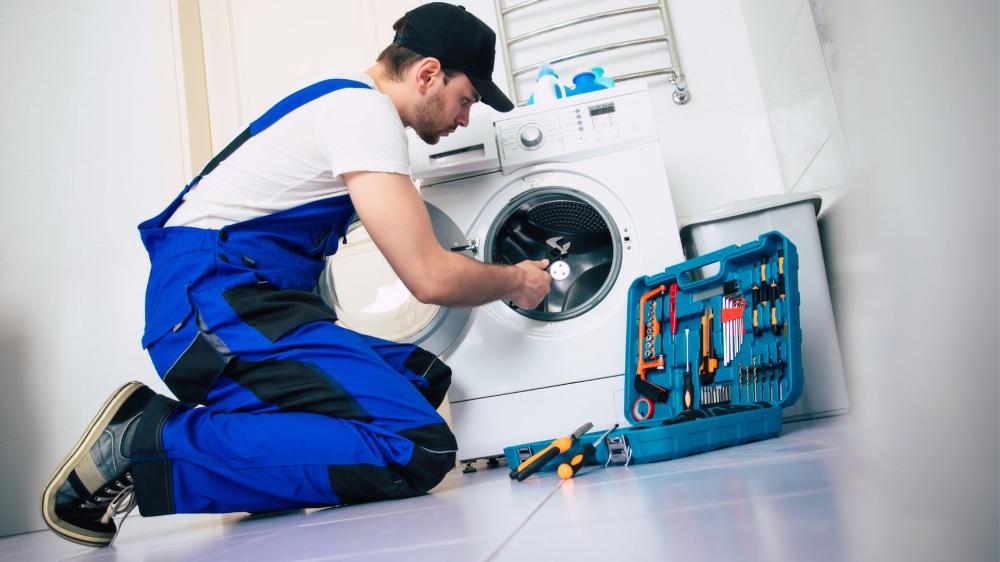
Understanding Today’s Appliance Repair Landscape
Modern homes rely on a mix of high-efficiency refrigerators, ranges, dishwashers, washers, and dryers that are more advanced than ever. When one fails, the disruption can be immediate and costly in time and stress. Choosing the right appliance repair service can help extend equipment life, preserve energy efficiency, and prevent recurring issues. This guide covers what matters most before scheduling a visit and how to keep household machines running smoothly.
How to Evaluate a Qualified Technician
Credentials and experience are the foundation of reliable service. Look for technicians who work with your specific brand and model category and who carry commonly used parts for faster fixes. Transparent communication is essential: you should understand the likely cause, the repair plan, and the options available, including whether a fix is advisable based on age and condition. Responsiveness also matters. Prompt scheduling, clear arrival windows, and follow-up support indicate a well-run operation.
Common Symptoms That Need Professional Attention
Appliances often send early signals before a full breakdown. Refrigerators that cycle too frequently, dishwashers leaving residue, ovens with uneven temperatures, washers that shake or leave water behind, and dryers that run hot but do not dry effectively all point to issues worth diagnosing. Catching problems early can prevent secondary damage, such as warped cabinetry from leaks or tripped breakers from failing components.
Essential Maintenance You Can Do at Home
Consistent care reduces wear and helps avoid emergency calls. Clean lint traps and external dryer vents to promote airflow. Clear refrigerator condenser coils to maintain stable temperatures. Inspect washer hoses for bulges or cracking and keep the machine level to reduce vibration. Remove food debris from dishwasher filters and spray arms. When in doubt, consult the manufacturer’s user guide for safe maintenance intervals and product-specific tips.
Key Questions to Ask Before Scheduling Service
A short list of questions can set the tone for a smooth appointment and a dependable outcome. Use the following checklist to prepare:
1. Do you service my appliance brand and model, and do you stock common parts for it?
2. What is your diagnostic process, and will you provide a clear estimate before work begins?
3. How do you handle warranty considerations and documentation for replaced components?
4. What is the typical turnaround time if a part needs to be ordered?
5. Can you explain the likely root cause and steps I can take to prevent the issue in the future?
6. What safety practices do you follow during in-home visits?
7. How will you communicate updates or changes to the appointment schedule?
Balancing Repair Versus Replacement
The decision to repair or replace depends on age, condition, and the nature of the failure. If a unit is generally reliable and well-maintained, repairing a single failed component may be the best choice. On the other hand, multiple recurring issues, discontinued parts, or severe corrosion might indicate it is time to upgrade. A candid assessment from a knowledgeable technician should outline total costs, anticipated lifespan after repair, and any performance or efficiency considerations.
Safety and Energy Considerations
Appliance safety is nonnegotiable. Unusual odors, sparking, persistent tripping of a breaker, or visible smoke warrant immediate power shutoff and professional help. Energy efficiency also ties directly to safety and performance: restricted airflow in dryers, dirty refrigerator coils, and worn door gaskets can lead to overheating, irregular cycling, and higher utility bills. Regular checkups reduce risks while preserving optimal operation.
Final Takeaway for Homeowners
Prioritize expertise, communication, and preventative care. With consistent maintenance, timely diagnostics, and a transparent approach to service, homeowners can maximize appliance longevity and avoid rushed, last-minute decisions. The right partner will help you navigate repairs confidently, keep essential machines dependable, and restore convenience to everyday routines.
Smart Strategies Shaping Today’s Appliance Repair Service Landscape
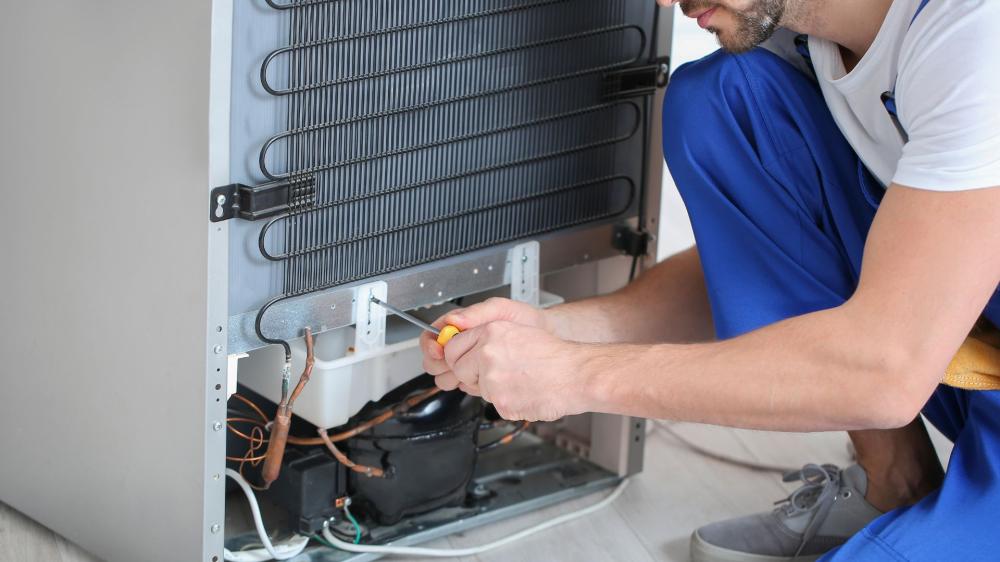
The Evolving Role of Professional Appliance Repair
Reliable appliance repair services are a cornerstone of modern home maintenance. With households relying on refrigerators, washers, dryers, ovens, and dishwashers every day, prompt and skilled repair keeps routines steady and reduces unnecessary waste. As appliances become more sophisticated, the industry continues to adapt, emphasizing diagnostic precision, transparent communication, and sustainable practices that extend product lifespans.
Why Timely Repairs Matter
Minor performance issues can compound into larger breakdowns if left unaddressed. Addressing unusual noises, temperature inconsistencies, or control panel glitches early helps protect core components. Timely service not only minimizes inconvenience but also supports overall efficiency and safety. In many cases, an expert’s inspection reveals root causes that aren’t obvious from surface symptoms, reducing repeat failures.
Diagnostics Drive Effective Outcomes
Today’s repair professionals leverage methodical diagnostics tailored to each appliance type and brand. From checking airflow in refrigeration to testing heating elements in ovens and assessing drum alignment in washers, a structured approach uncovers problems without guesswork. Technicians evaluate error codes, measure electrical continuity where appropriate, and verify that mechanical parts move freely. This attention to detail results in more accurate repairs and fewer callbacks.
Customer Education Builds Confidence
Clear, straightforward explanations transform a stressful breakdown into a manageable situation. Technicians who describe the issue, outline the fix, and recommend simple care steps help customers feel informed and in control. Sharing usage tips—such as balancing laundry loads, cleaning dishwasher filters, and keeping refrigerator door seals tidy—contributes to smoother operation between service visits and supports appliance longevity.
Sustainability Through Repair
Repairing instead of replacing can reduce waste and conserve resources tied to manufacturing and shipping new units. Extending the useful life of an appliance, when safe and practical, aligns with responsible stewardship. Many service providers also promote proper disposal of worn components and suggest maintenance habits that reduce energy usage, like periodic condenser coil cleaning and appropriate water temperatures for laundry.
Practical Steps to Keep Appliances Running
Preventive care is a practical way to avoid disruptions. The following checklist offers simple actions that support performance and reduce the likelihood of unexpected breakdowns:
1) Clean refrigerator condenser coils to help the compressor operate efficiently and maintain stable temperatures.
2) Inspect and clean dishwasher spray arms and filters to improve water flow and wash quality.
3) Avoid overloading washers and dryers; balanced loads reduce strain on motors, belts, and bearings.
4) Verify oven calibration and keep door gaskets clean to promote accurate heating and even cooking.
5) Replace water filters as recommended to preserve flow and protect internal valves and lines.
6) Wipe door seals on refrigerators and front-load washers to prevent debris buildup and ensure proper sealing.
Balancing Repair With Replacement
Sometimes replacement makes more sense than repair, particularly when multiple major components are compromised or when safety is a concern. A thorough assessment helps determine the best path forward. Important considerations include overall condition, availability of parts, and whether the appliance has been experiencing recurring issues. Honest guidance empowers homeowners to choose the most practical, cost-effective solution for their situation.
The Value of Professional Standards
Strong technical training and adherence to safety protocols distinguish reputable service. Careful handling of electrical connections, water lines, and gas fittings requires expertise and the right tools. Professional documentation of findings, parts installed, and testing performed provides a clear service history. These standards support dependable results and greater peace of mind.
Conclusion: Confidence Through Care and Expertise
Appliance repair is more than fixing a single symptom; it’s about restoring reliability through careful evaluation, precise workmanship, and helpful education. With thoughtful maintenance and timely service, households can protect their investments, reduce interruptions, and keep essential appliances functioning at their best.
