Smart, Safe, and Sustainable: What’s Next in the Appliance Repair Industry
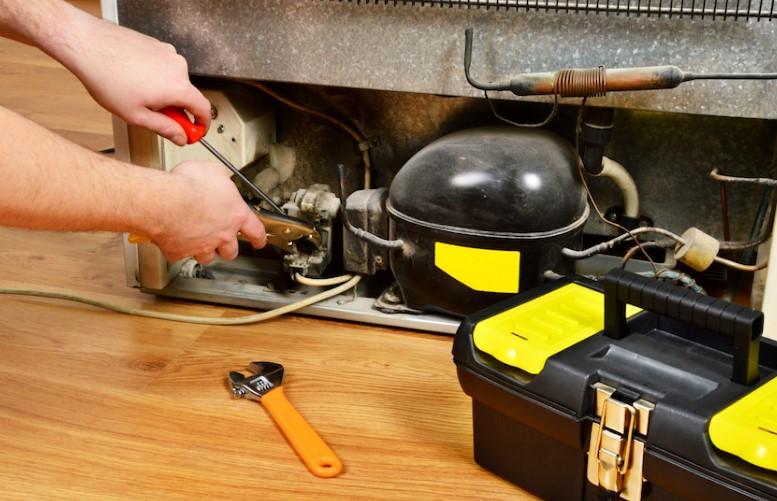
The Evolving Landscape of Home Appliance Repair
Why Reliability Matters More Than Ever
When a major appliance fails, it disrupts daily life and budgets. Reliability in diagnostics, transparent timelines, and safe workmanship are central expectations. Homeowners increasingly weigh the environmental and financial balance between repairing and replacing, and they look for clear guidance grounded in practical assessment: age of the unit, parts availability, and ongoing energy efficiency.
The Rise of Smart Diagnostics
Connected appliances are changing how technicians identify faults. Many modern models store error codes, support remote pre-diagnosis, and feature modular components that streamline repairs. This shift reduces guesswork and often shortens the time between the first visit and the final fix. Still, strong fundamentals—verifying power supply issues, checking airflow, and inspecting seals—remain just as critical as digital readouts.
Parts, Warranties, and Realistic Timelines
Sourcing the right part is half the job. Lead times vary by brand and model, especially for specialty components or discontinued lines. Homeowners benefit from honest timeline estimates that account for ordering windows and shipping. Clear documentation, including model numbers and prior service notes, speeds verification and helps avoid ordering mistakes. Warranties on parts and labor should be communicated up front, with simple terms that match the actual repair scenario.
Safety and Compliance at the Forefront
Safety protocols protect homes and technicians. De-energizing equipment, verifying gas shutoffs, and following manufacturer procedures are nonnegotiable steps. Technicians should also be prepared to point out hazards—brittle wiring, compromised hoses, or venting obstructions—and recommend corrective actions. Proper disposal of damaged components and adherence to local codes further reinforce trust and responsibility.
Practical Tips for Owners to Extend Appliance Life
Routine care prevents many breakdowns and supports energy efficiency. The following checklist helps keep major appliances running smoothly and reduces surprise failures.
1) Clean airflow pathways
- Refrigerators: Vacuum condenser coils and ensure a few inches of clearance around the unit.
- Dryers: Clear the lint trap after every cycle and have vents professionally cleaned if airflow is weak.
2) Inspect seals and gaskets
- Check for cracks, warping, or debris on refrigerator and oven door gaskets. Clean with mild soap and replace when worn to preserve temperature control.
3) Level and load properly
- A level washing machine reduces vibration, protecting bearings and floors. Avoid overloading washers and dishwashers to prevent strain on motors and spray arms.
4) Use the right settings
- Match cycles and temperatures to load types. For example, use lower heat for delicate fabrics to reduce stress on dryer elements and sensors.
5) Replace consumables on schedule
- Water filters, dishwasher filters, and range hood filters should be swapped per manufacturer guidance to maintain flow, filtration, and ventilation.
6) Mind power quality
- Surge protection helps safeguard control boards in ranges, refrigerators, and laundry units. If lights flicker or breakers trip, consult a qualified electrician.
7) Keep a service record
- Note installation dates, model/serial numbers, and any past repairs. This shortens diagnostic time and aids parts identification.
Repair or Replace? A Balanced Framework
A thoughtful decision weighs age, efficiency, and repair scope. If a single component restores normal function and parts are readily available, repair is often the sensible path. When repeated failures, severe corrosion, or obsolete parts raise long-term costs, replacement may deliver better value and reliability. Transparent communication—what failed, why it failed, and how to prevent a repeat—helps owners make confident choices.
The Future: Training, Tools, and Trust
Ongoing education on new models, refrigerants, and control systems supports accurate, code-compliant work. Modern tools—from leak detectors to insulated meters—improve precision and safety. Ultimately, the industry’s direction is clear: faster diagnostics, safer practices, and practical guidance that extends appliance life, reduces waste, and keeps households running smoothly.
Smart, Safe, and Smooth: Today’s Appliance Repair Landscape

The appliance repair industry is evolving quickly, shaped by smarter machines, supply-chain dynamics, and higher customer expectations. Homeowners now look for swift scheduling, clear communication, and reliable workmanship that protects both the appliance and the household budget. Understanding how service calls work, what drives repair decisions, and how to prevent breakdowns can make every visit more efficient and every appliance more dependable.
How Modern Expectations Shape Appliance Repair
Today’s service experience often begins online, from booking to updates. Clear diagnostics, transparent options, and safety-first practices help reduce stress for homeowners facing disruptions like a silent refrigerator or a washer that won’t drain. Technicians are trained to navigate common models as well as advanced, connected units, aiming to minimize downtime while safeguarding the appliance’s lifespan.
What Homeowners Expect from Scheduling to Sign-Off
Timely, courteous communication builds trust. Homeowners value precise arrival windows, confirmation messages, and a respectful approach in the home. Service visits tend to run more smoothly when the workspace is accessible, the model number is handy, and symptoms have been noted beforehand. Photos or short videos of the issue can also speed up troubleshooting and help ensure the right parts are on hand.
Common Signs It’s Time to Call a Professional
Appliances often signal trouble before a full failure. Unusual noises, inconsistent temperatures, visible leaks, tripped breakers, or poor performance are all early warnings. Addressing these signs promptly can prevent additional wear and tear, protect food, clothing, and flooring, and reduce the likelihood of more extensive repairs later.
The Service Visit, Step by Step
A well-organized visit follows a predictable flow that promotes clarity and quality:
1) Intake and safety check: The technician confirms the complaint, verifies power and water connections, and observes any safety risks.
2) Diagnostic testing: Tools and manufacturer resources guide pinpoint testing to find the root cause, not just the symptom.
3) Findings and options: The issue, parts involved, labor scope, and estimated timeline are explained before work begins.
4) Repair and verification: Components are installed or adjusted, then tested under real operating conditions.
5) Cleanup and guidance: The work area is tidied, and care tips are shared to help prevent a repeat issue.
6) Follow-up: Documentation and post-visit support provide peace of mind if questions arise later.
Parts, Lifespan, and Practical Decisions
A sound repair plan balances cost, safety, and expected lifespan. When a part is readily available and installation risk is low, repair can be the clear choice. If multiple components show wear, the unit is near the end of its useful life, or the issue poses safety concerns, replacement may be discussed. Compatibility matters, and using parts that meet manufacturer specifications helps maintain performance. When appropriate, refurbished components can be an option, provided they meet safety and quality standards.
Preventive Care That Extends Performance
Good maintenance keeps appliances running efficiently and reduces unexpected breakdowns. Simple habits go a long way: clean refrigerator coils, keep door gaskets free of debris, avoid overloading washers, clear dryer lint from both the filter and vent, run dishwasher cleaning cycles, and descale where hard water is an issue. For ranges and ovens, keep burners and vents clear; for microwaves, ensure proper ventilation; and for garbage disposals, use cold water and avoid fibrous materials that can tangle the mechanism.
The takeaway is straightforward: proactive attention and timely, professional service protect your investment and restore everyday convenience faster. By recognizing early warning signs, preparing for the visit, and following maintenance best practices, homeowners can navigate repairs confidently and make informed decisions that support safety, savings, and long-term reliability.
