Why Preventive Care Outperforms Emergency Fixes
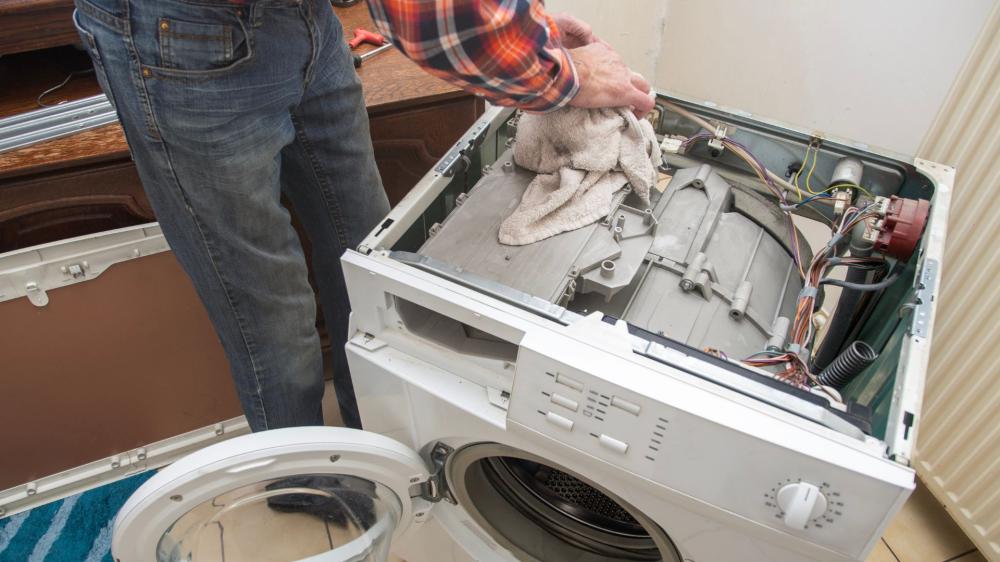
Preventive maintenance has become a cornerstone of reliable appliance performance. Instead of waiting for a breakdown, homeowners benefit from scheduled inspections that catch early warning signs—like unusual noises, lingering odors, or longer cycle times—before they escalate. Technicians can clean critical components, recalibrate controls, and verify seals and hoses, helping appliances run smoothly and efficiently. This approach protects household routines and reduces the likelihood of sudden, disruptive failures.
Diagnostic Precision Starts With Structured Checklists
A thoughtful diagnostic process saves time and protects components from unnecessary wear. By following a structured flow—visual inspection, basic electrical tests, mechanical assessments, and software or control checks—professionals pinpoint root causes rather than treating symptoms. Clear diagnostics also ensure that if a part is needed, it’s the correct one the first time, minimizing repeat visits and getting homes back on track faster.
Parts Quality and Compatibility Matter
Using components that match the appliance’s specifications is essential for safety and long-term performance. Quality parts tend to seat properly, integrate with control boards, and withstand everyday stress. Compatibility also reduces the risk of cascading issues, such as motor strain or sensor misreads. Clear labeling, verified model numbers, and reputable sourcing help ensure each repair meets the appliance’s design standards and preserves the manufacturer’s intended operation.
Energy Efficiency Begins With Small Fixes
Many efficiency gains come from simple tune-ups. Fresh door gaskets on refrigerators maintain consistent temperatures. Clean condenser coils help reduce compressor workload. Proper leveling prevents vibration that can damage bearings in washers and dryers. Calibrated thermostats and unclogged vents let heating elements and fans work as designed. These small actions support better performance, potentially extending service life while helping households get the most from their utilities.
Safety Best Practices You Should Expect
Safety is fundamental in every repair visit. Professionals should power down units before service, confirm correct voltage, and use protective gear when necessary. Gas connections deserve special attention, with leak checks and proper ventilation. Water connections must be secured to prevent drips that could lead to electrical hazards or floor damage. Clear workspace practices—like securing pets, moving fragile items, and verifying access to shutoff valves—further protect the home.
A Practical Checklist for Homeowners
A simple, proactive routine helps appliances stay reliable between professional visits. Consider this numbered guide as a quick-start plan you can revisit seasonally:
1. Inspect seals and gaskets on doors and lids, wiping away debris and checking for cracks or gaps.
2. Clean lint screens and accessible vents to maintain airflow and prevent overheating.
3. Vacuum or brush accessible coils and grills to reduce dust buildup.
4. Level appliances and check for vibration or unusual noises during operation.
5. Run manufacturer-recommended cleaning cycles for washers, dishwashers, and ovens.
6. Verify water connections for drips and confirm hoses show no bulging or brittleness.
7. Test basic functions—like temperature settings and cycle options—to spot irregular behavior early.
Transparent Communication Builds Confidence
Clear, jargon-free explanations help homeowners understand what went wrong, what was done, and how to avoid repeat issues. A concise service summary—covering symptoms, tests performed, parts used, and maintenance tips—creates a shared understanding. When next steps are needed, a straightforward timeline and scope keep expectations aligned, which is especially helpful when special-order parts or follow-up checks are involved.
Choosing the Right Professional
Look for technicians who demonstrate methodical diagnostics, respect for your home, and a commitment to safety. Responsiveness, accurate scheduling windows, and well-documented service notes are positive indicators. It also helps when professionals provide care tips tailored to the appliance’s model and your household’s usage patterns, turning a single appointment into a long-term reliability plan.
The Payoff of Consistent Care
A steady rhythm of maintenance, precise diagnostics, and quality parts adds up to better performance and fewer interruptions. With thoughtful habits and trusted expertise, appliances can serve reliably day after day, keeping routines smooth and households running with confidence.
Smart Homeowners’ Guide to Reliable Appliance Repair and Maintenance

Keeping Household Appliances Running Smoothly
A dependable appliance repair company can be the difference between a quick fix and days of disruption. When your refrigerator hums oddly or your dryer takes longer than it should, knowing how the industry approaches diagnostics, parts sourcing, and preventive maintenance helps you make informed decisions. This guide outlines how reputable technicians evaluate issues, what homeowners can do to extend appliance life, and how to navigate warranty and safety considerations with confidence.
Understanding the Diagnostic Process
Effective service starts with thorough diagnostics. Technicians typically ask targeted questions about symptoms, usage habits, and any recent changes—like a new detergent, heavier loads, or a tripped breaker. They then inspect power supply, connections, hoses, filters, and control panels before moving to component-level checks such as sensors, thermostats, belts, or pumps. Clear, transparent explanations of findings and next steps are hallmarks of quality service, and they help you decide whether repair or replacement is the smarter move.
Parts, Repairs, and Timelines
Once the issue is identified, turnaround time depends on part availability and the complexity of the repair. Common components like door gaskets, heating elements, igniters, valves, and inlet screens are often accessible, while specialty boards or model-specific parts may require ordering. A professional will outline expected timelines and discuss whether a temporary workaround is safe. They’ll also verify compatibility using model and serial information to reduce the risk of repeat visits and ensure a lasting fix.
Safety and Compliance at Home
Safety matters before, during, and after a repair. Unplug or switch off the breaker prior to any DIY troubleshooting, and avoid operating appliances that emit burning odors, unusual smoke, or persistent sparking. Technicians should observe manufacturer guidelines and local codes, use proper protective equipment, and test appliances after service to confirm stable operation. After the visit, follow recommended break-in or calibration steps—like running an empty dishwasher cycle or re-leveling a washer—to maintain optimal performance.
Maintenance Habits That Pay Off
Small habits prevent big headaches. Clean refrigerator coils, keep door seals free of debris, empty lint traps and vents, check washer hoses for bulges, and descale where hard water builds up. For ovens and ranges, keep burners and igniters clean to promote consistent heating. Make a seasonal checklist to catch early warning signs like odd vibrations, diminished cooling, or extended cycle times. Preventive care stretches appliance lifespan and helps you avoid urgent calls.
When to Repair vs. Replace
Choosing between repair and replacement depends on age, condition, usage, and the cost and availability of parts. If an appliance has a history of recurring issues or incompatibility with currently available components, replacement may provide better long-term value. Conversely, a single, well-defined fault with a straightforward fix often justifies repair. Consider energy efficiency, performance features you rely on, and how long you plan to remain in your home when deciding.
Homeowner Checklist for Smooth Service
Use this quick list to streamline your next appointment and help your appliance repair company deliver efficient results:
1) Document symptoms: Note noises, smells, error codes, and when issues occur.
2) Gather model info: Have model and serial numbers ready for accurate part matching.
3) Clear access: Move items away from the workspace and secure pets.
4) Verify power and water: Confirm outlets, breakers, shutoff valves, and hoses are accessible.
5) Share history: Mention prior repairs, maintenance, or unusual events like brief power surges.
6) Ask about care: Request post-repair tips to maintain performance and validate warranties.
7) Schedule smart: Choose a time when you can test the appliance with the technician present.
Building Long-Term Confidence
Trust grows through consistency. Look for clear communication, itemized estimates, and a focus on safety and cleanliness. Keep records of services, parts replaced, and recommendations so future visits are quicker and more precise. With proactive maintenance, respectful collaboration, and a reliable appliance repair company at your side, you can keep essential home systems running smoothly and avoid costly surprises.
