Keeping Cool in the Mojave: Practical Guidance for AC Repair and Seasonal Heating Care
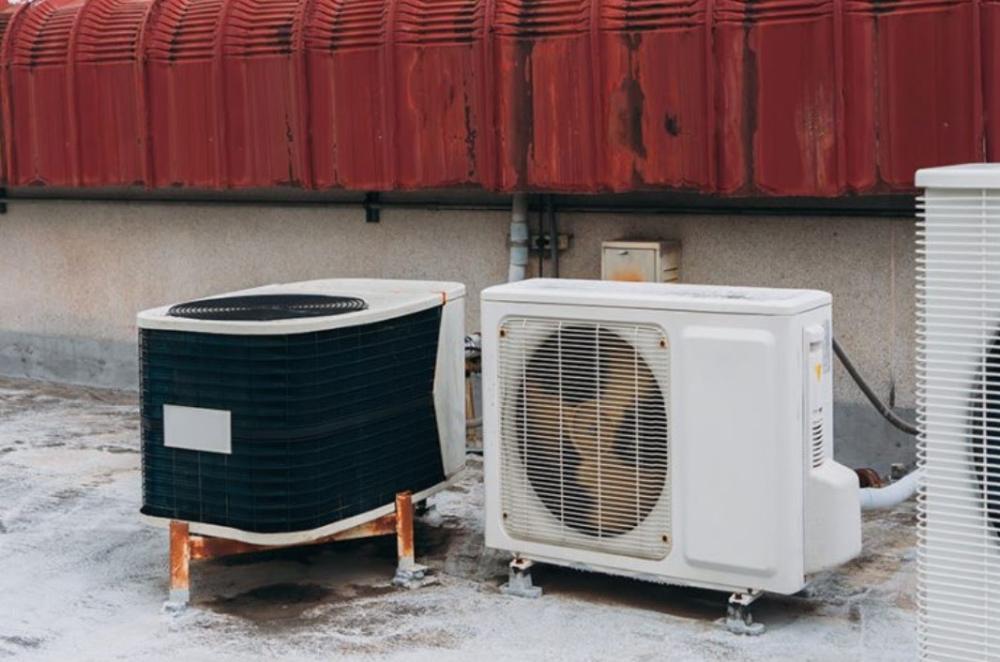
1) Understand how desert conditions strain cooling systems
Extreme heat, persistent dust, and rapid start-stop cycling during peak afternoons place unique stress on air conditioners in the Las Vegas Valley. Coils can accumulate grime faster, airflow can be restricted by windblown particulates, and refrigerant pressures run high for long stretches of the day. Recognizing these conditions helps homeowners schedule timely inspections, address small inefficiencies, and minimize the risk of larger breakdowns when temperatures soar.
2) Prioritize routine maintenance before peak demand
Preventive care is the backbone of reliable home cooling. A comprehensive tune-up typically includes cleaning condenser coils, checking electrical connections, verifying refrigerant charge, and measuring temperature differentials across the system. Well-timed service helps maintain consistent performance, stabilizes energy use, and extends component life. In a climate known for extended heatwaves, a proactive approach reduces the chance of mid-season surprises and keeps indoor comfort steady.
3) Replace filters more often than you think
Dust, pet dander, and outdoor particulates move freely in desert air, and standard filters can clog quickly. A congested filter lowers airflow, causes coils to freeze, strains the blower motor, and ultimately undermines comfort. Check filters monthly during the hottest periods and replace them as soon as they appear dirty. Improved airflow supports even cooling, reduces wear, and can help keep humidity levels in a manageable range.
4) Address airflow and duct integrity
Even a high-performing compressor can’t overcome imbalanced ductwork. Leaks, crushed runs, or poorly sealed plenums allow conditioned air to escape into attics and walls. Inspect accessible ducts for gaps, ensure registers and returns are unobstructed, and consider professional sealing when needed. Balanced airflow reduces hot and cold spots, supports efficiency, and helps your equipment operate within normal design parameters.
5) Calibrate and optimize smart controls
Thermostats and zoning controls are central to comfort and efficiency. If a thermostat is miscalibrated or placed near a heat source, it may short-cycle the system or run longer than necessary. Keep devices away from direct sunlight, ovens, or electronics that radiate heat. For multi-level homes, zoning can deliver targeted comfort while avoiding overcooling unused areas, reducing strain during the most demanding hours of the day.
6) Recognize early warning signs of trouble
Unusual noises, short cycling, warm air at the vents, or a sudden spike in monthly energy use are signals your system needs attention. Subtle symptoms—like a faint rattle at startup or longer-than-usual cool-down times—often precede larger failures. Prompt evaluation can catch loose components, airflow restrictions, or electrical issues early, preventing extended downtime and discomfort.
7) Prepare for seasonal heating needs
Desert nights can turn cool quickly, and a standby heating system should be ready. Before the first cold snap, test the heater, verify safe ignition, and confirm strong airflow. Address lingering odors or startup noises without delay. In particular, timely service such as furncae repair las vegas ensures dependable performance during the shoulder seasons and reduces unnecessary strain when temperatures dip.
8) Weigh repair versus replacement thoughtfully
When facing repeated failures, consider the system’s age, repair frequency, and overall efficiency. Components like compressors, blower motors, and control boards can be repaired, but repeated issues may point to broader system fatigue. A professional assessment that accounts for your home’s size, insulation, and duct condition helps determine whether targeted repairs or a planned upgrade will deliver better comfort and reliability over time.
9) Improve indoor air quality alongside cooling performance
Clean coils and well-sealed ducts do more than enhance efficiency—they also support healthier air. Consider complementary measures such as proper ventilation strategies and humidity control to reduce pollutants and help your equipment breathe. In dusty climates, even small steps like sealing door sweeps and window gaps can reduce the amount of particulate matter entering the home.
10) Plan for rapid response during extreme heat
Peak-season calls can surge when temperatures spike. Keep a basic checklist handy: verify thermostat settings, ensure breakers are on, and confirm the outdoor unit is clear of debris. Document any symptoms, sounds, or error codes to streamline diagnostics. A prepared approach speeds service, helps technicians pinpoint issues quickly, and restores comfort with minimal disruption.
A disciplined maintenance routine, attention to airflow, and early intervention form a practical roadmap for dependable cooling through desert summers and steady warmth when evenings cool. Thoughtful planning protects comfort, preserves equipment, and keeps your home prepared for the Valley’s shifting conditions.
Beating the Heat: Practical AC Repair Insights from HVAC LAS VEGAS Experience
In a desert climate, air conditioning systems work hard from spring through late fall, and that constant demand magnifies small issues into major breakdowns if they aren’t addressed early. Industry insights drawn from HVAC LAS VEGAS experience emphasize proactive care, precise diagnostics, and smart homeowner habits that help prevent avoidable downtime. When temperatures soar and indoor comfort is on the line, a clear plan for maintenance and timely repairs can keep energy use reasonable and extend system life without guesswork or shortcuts.
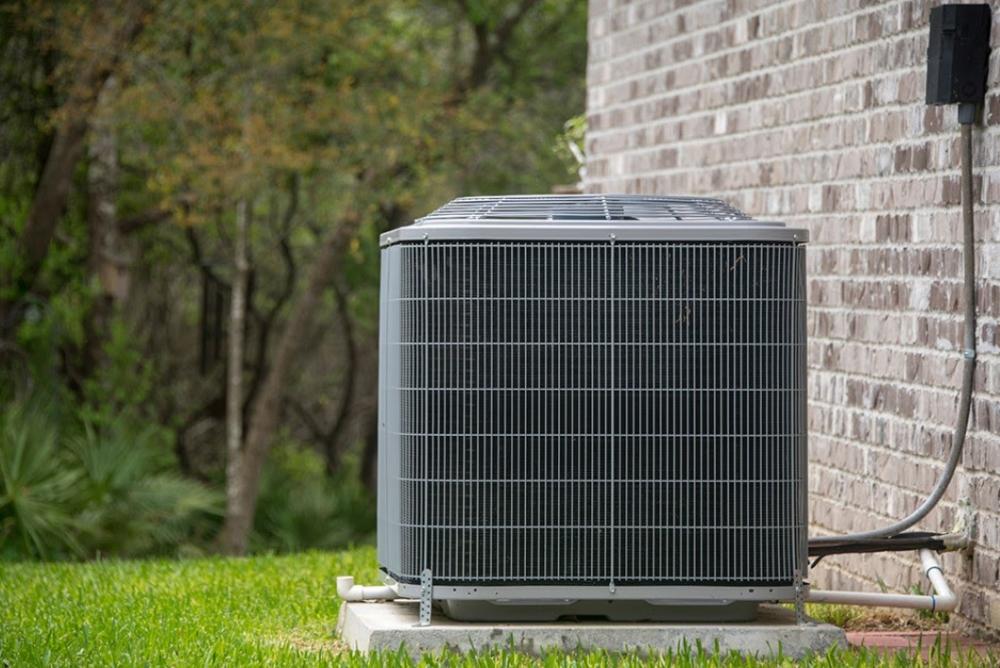
1) Listen to early warning sounds
Subtle rattles, buzzing, or grinding often signal loose components, electrical issues, or motor wear. Addressing noises promptly prevents cascading damage to fans, belts, or compressors. If sounds change when the system cycles, that clue helps narrow the source. Turning the unit off until a professional can evaluate it can stop a minor concern from becoming a system-wide failure.
2) Prioritize airflow before anything else
Insufficient airflow can mimic larger problems, leading to unnecessary parts replacement. Start with filters, vents, and returns to ensure clear, unobstructed paths. Dust, pet hair, and construction debris often accumulate faster in dry climates. Balanced airflow protects coils from icing, keeps motors from overworking, and stabilizes temperature across rooms for even, reliable cooling.
3) Keep coils clean to protect efficiency
Dirty evaporator or condenser coils reduce heat transfer, ramping up run times and wear. Outdoor units are especially vulnerable to dust and pollen that stick to fins. Gentle rinsing and proper coil-cleaning tools restore performance and help maintain consistent temperatures. Keeping the surrounding area clear of plants and debris prevents recurring buildup and improves ventilation around the unit.
4) Watch refrigerant behavior, not just levels
Low refrigerant is a symptom, not a diagnosis. Industry pros test for leaks, temperature differentials, and superheat/subcool values to ensure the system is operating within target ranges. Overcharging is just as harmful as undercharging, potentially damaging the compressor. Accurate, data-driven adjustments preserve system health and help avoid repeated service calls during the hottest months.
5) Calibrate thermostats for real-world use
Thermostats that aren’t level, placed near heat sources, or exposed to sunlight can send misleading signals to the system. Smart controls are valuable only if settings match the home’s occupancy and insulation profile. Small adjustments in scheduling and setbacks reduce strain during peak hours. A correctly placed and calibrated thermostat helps the unit cycle less often and more effectively.
6) Seal ducts to stop energy loss
Air leaks in the supply or return side force the system to work harder to reach set temperatures. Pressure imbalances create hot and cold spots and lower indoor air quality by pulling in dust from attics or crawl spaces. Proper sealing and insulation reduce run times and protect equipment. Duct work is especially important in regions with extreme temperature swings throughout the day.
7) Protect electrical components in harsh conditions
High heat challenges capacitors, contactors, and wiring. Visual inspections for pitting, discoloration, or swelling can prevent sudden failures that occur right when demand spikes. Ensuring proper voltage and tight connections supports stable starts and smooth operation. Routine checks of these parts preserve compressors and fans, which depend on consistent electrical performance.
8) Plan seasonal maintenance with local climate in mind
Regular inspections aligned with regional weather patterns are the backbone of dependable cooling. Guidance informed by HVAC LAS VEGAS conditions focuses on preparation before the first big heat wave and follow-up checks after the most intense period. Seasonal tune-ups uncover wear and tear early, confirm safe operation, and fine-tune settings for comfort without excess energy use.
A reliable air conditioning system in a desert setting is the result of steady attention to fundamentals: airflow, cleanliness, proper charge, calibrated controls, sealed ducts, and healthy electrical parts. Treating small symptoms early and scheduling climate-aware maintenance keeps indoor spaces cool, quiet, and consistent, even when the outdoor thermometer is unforgiving.
