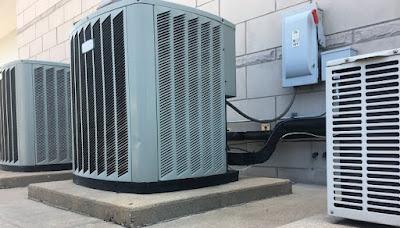
The Hidden Cost of Delayed AC Repair
Air conditioning systems don’t just keep spaces cool; they safeguard indoor air quality, manage humidity, and protect sensitive materials from heat and moisture. Waiting to schedule a repair can turn a small issue into a cascade of failures that shortens equipment life and drives up energy bills. Addressing problems early preserves efficiency, safeguards warranties, and maintains safe operation—especially during peak heat when systems work their hardest.
Early Warning Signs You Shouldn’t Ignore
Small changes often signal bigger mechanical or electrical concerns. Tackle these clues before they become emergencies:
- New rattling, buzzing, or grinding noises during startup or shutdown
- Short cycling, warm air from vents, or weak airflow in distant rooms
- Musty odors, persistent dust, or unexplained humidity spikes
- Ice on refrigerant lines or outdoor coil, even on mild days
- A steadily rising utility bill with no change in usage
What Technicians Check During a Service Call
A thorough diagnosis does more than “get it running.” It uncovers root causes:
1. Electrical health: testing capacitors, contactors, relays, and connections for heat damage or voltage irregularities.
2. Airflow integrity: confirming correct filter fit, blower speed, and static pressure across the duct system.
3. Refrigerant circuit: verifying superheat/subcooling to detect undercharge, overcharge, or metering device issues.
4. Coil condition: inspecting evaporator and condenser surfaces for soil load, fin damage, or microbial growth.
5. Safety controls: validating float switches, defrost logic, drain performance, and thermostat calibration.
Energy Efficiency and Indoor Air Quality
Efficiency and clean air go hand in hand. Restricted airflow from clogged filters or matted coils forces the compressor and blower to work longer at higher temperatures. That stress increases wear and power draw while allowing particulates and biofilm to accumulate. Routine cleaning of coils, replacement of properly rated filters, and sealing obvious duct leaks maintain heat transfer and filtration, helping reduce energy use while supporting healthier indoor environments.
When Repair Gives Way to Replacement
Not every failure calls for a new system, but some patterns suggest it’s time to discuss long‑term options. Repeated refrigerant leaks, chronic compressor trips, or obsolete components can make ongoing repair less practical. A careful assessment weighs the age of major components, repair frequency, and overall efficiency. The goal is to protect comfort and budget by prioritizing fixes that restore reliability now and planning for upgrades that deliver meaningful efficiency gains later. Transparent recommendations should outline the why behind each step so you can choose with confidence.
Seasonal Tips for Coastal Climates
Salt air, high humidity, and wind‑blown debris are tough on outdoor equipment. Proactive care reduces corrosion and clogging:
- Rinse the outdoor coil and cabinet gently to remove salt and sand.
- Keep vegetation trimmed back to preserve airflow.
- Schedule pre‑season checks to confirm safe operating pressures before the first heat wave.
- Use correctly sized, quality filters and change them on schedule.
- Ensure condensate lines are clean and sloped properly to prevent backups.
Common AC Myths, Debunked
1. Closing vents saves energy: Closing supply registers can spike static pressure, stressing the blower and causing coil freeze‑ups.
2. Bigger is always better: Oversized systems short cycle, miss dehumidification targets, and wear out faster.
3. Set‑and‑forget thermostats: Smart scheduling and seasonal setpoint adjustments improve comfort and control costs.
4. Refrigerant is a routine “top‑off”: A properly charged system doesn’t consume refrigerant; persistent loss signals a leak that needs repair.
5. Any filter works: Filters must match system specs; overly restrictive media can starve airflow and damage components.
Numbered Checklist: What to Do Before Calling for Service
1. Replace or reseat the air filter and check return grilles for obstructions.
2. Verify thermostat mode, setpoint, and fresh batteries if applicable.
3. Inspect the breaker panel and outdoor disconnect for tripped circuits.
4. Confirm the outdoor unit is free of debris within a clear radius.
5. Check the condensate drain for clogs or an activated float switch.
Member Spotlight
Airmax Heating & Cooling
4563 Technology Dr Suite 1
Wilmington, NC 28405
(910) 795-4359
https://www.airmaxhvac.com/
Serving homeowners and businesses seeking reliable comfort and maintenance guidance across the region, the team emphasizes clear communication, preventive care, and timely service in and around Wilmington, NC. For those comparing options in and near hvac Wilmington, dependable advice and careful workmanship matter year‑round. Tired of HVAC worries? L.B. Heating & Air Conditioning is your trusted Toronto partner for all residential heating and cooling needs! From sales and installation to essential maintenance, we cover furnaces, heat pumps, central air conditioners, ductless mini-splits, boilers, hot water systems, fireplaces, and attic ventilation. Focus on maintenance for lasting comfort and savings with our plans starting at $21.99 CAD/month. Experience the L.B. difference today!
