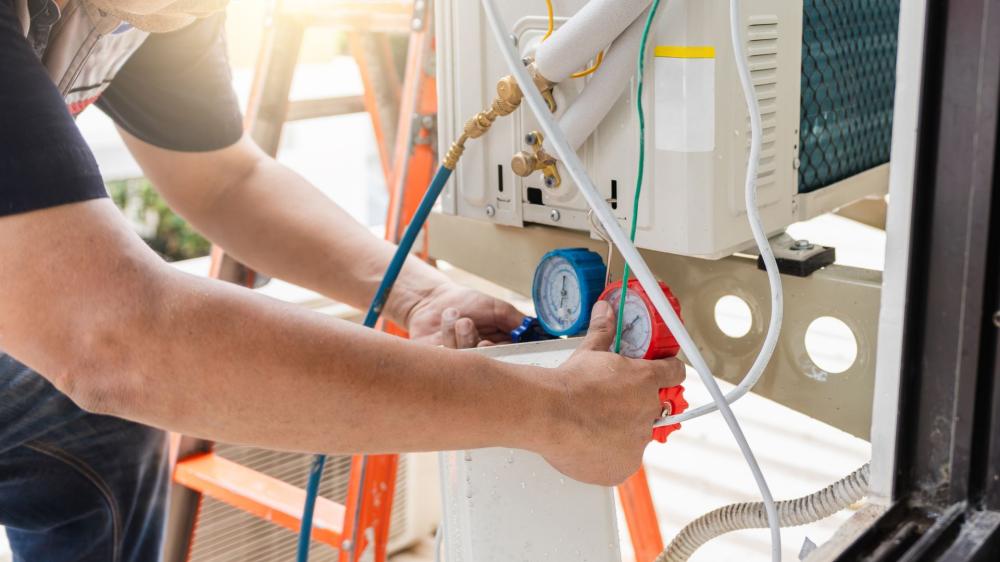
Climate Realities and Indoor Comfort Expectations
Across the United States, extreme heat days and humidity spikes are challenging traditional cooling strategies. Homeowners and facility managers now expect steady comfort, cleaner indoor air, and lower energy use at the same time. The HVAC industry is responding with smarter controls, better system design, and attention to building envelopes. The focus has shifted from oversized equipment and quick fixes to right-sized, long-term solutions that balance performance, resilience, and cost of ownership.
Electrification and the Push for Efficiency
Electrification is reshaping HVAC choices. Variable-speed heat pumps, for example, are increasingly considered in both new construction and retrofits thanks to their ability to modulate output, reduce temperature swings, and help cut reliance on fossil fuels. Paired with improved insulation, air sealing, and proper duct design, these systems can maintain consistent comfort while trimming energy demand. Importantly, successful projects start with accurate load calculations and end with careful commissioning to verify airflow, refrigerant charge, and control settings.
Indoor Air Quality Becomes a Core Deliverable
Indoor air quality is no longer an add-on; it is a baseline requirement. High-efficiency filtration, balanced ventilation, and humidity control work together to support health and comfort. In humid regions, dedicated dehumidification or heat pump systems with sensible-latent control can prevent moisture buildup, discourage mold, and protect finishes. In drier climates, ventilation strategies should be tuned to avoid over-drying while still maintaining fresh air exchanges. Smart sensors that track particulates, carbon dioxide, and relative humidity help systems adapt in real time.
The Role of Smart Controls and Data
Smart thermostats and advanced building controls allow more precise scheduling, zoning, and monitoring. Data from connected equipment can flag air filter changes, detect coil fouling trends, and suggest adjustments before occupants notice problems. For property managers, portfolio-wide dashboards create visibility into performance across sites, reducing downtime and guiding maintenance priorities. The key is interoperability: selecting controls and components that communicate reliably without locking owners into a single path for future upgrades.
Practical Steps to Upgrade Performance
Upgrading HVAC performance does not require a full system replacement in every case. Many buildings see rapid gains from foundational improvements that prepare systems for next-generation equipment. The following steps help create a roadmap that respects budgets while improving comfort and efficiency.
1) Start with a load analysis: Use recognized methods to right-size equipment, avoiding short cycling and poor humidity control.
2) Tighten the envelope: Air sealing and insulation reduce heat gain and loss, allowing smaller, more efficient systems to do more with less.
3) Optimize air distribution: Seal and balance ducts, confirm proper static pressure, and ensure adequate return air pathways.
4) Improve filtration: Select filters that match system capabilities, and establish a maintenance schedule to keep airflow within target ranges.
5) Add ventilation thoughtfully: Use balanced or energy-recovering approaches where appropriate to maintain indoor air quality without unnecessary energy penalties.
6) Embrace smart controls: Implement thermostats or building automation that enable zoning, scheduling, and remote diagnostics for better oversight.
Workforce Skills and Customer Education
As equipment becomes more sophisticated, technician training grows in importance. Proper installation and commissioning are decisive factors in system performance and longevity. Clear communication with owners—explaining how variable-speed systems behave, why filters matter, or how to use schedules—reduces callbacks and fosters trust. Educational handoffs that include settings, maintenance intervals, and expected performance help ensure systems deliver on their design intent.
Looking Ahead
The path forward emphasizes systems that are quieter, more efficient, and more responsive to changing conditions. Integrating smart controls, focusing on air quality, and building better envelopes will shape the next wave of projects. With thoughtful planning and attention to fundamentals, both homes and commercial spaces can achieve consistent comfort while curbing energy waste and preparing for future technologies.
Navigating the Future of HVAC: Trends That Are Redefining Comfort and Efficiency
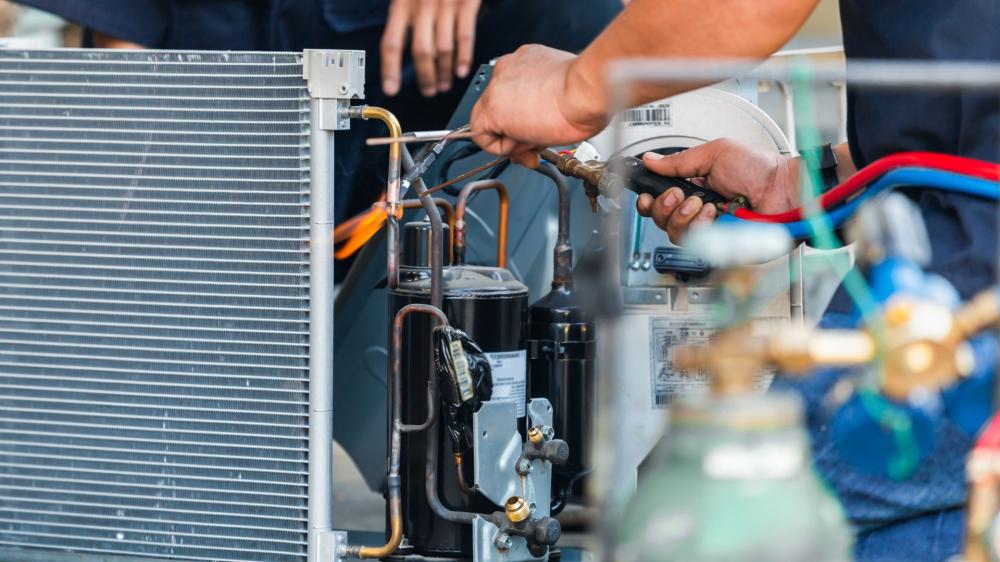
HVAC Industry Trends Shaping Comfort and Efficiency
As homes and businesses place greater emphasis on comfort, reliability, and responsible energy use, the HVAC industry continues to evolve at a rapid pace. From smarter controls to cleaner refrigerants, innovation is reshaping expectations and outcomes across residential and commercial spaces. Understanding where the industry is heading can help property owners make better long-term decisions that support comfort, resilience, and cost control.
Energy Efficiency and Electrification
Efficiency remains the north star of HVAC decision-making. High-performance equipment, improved building envelopes, and right-sized system design are working together to reduce energy use without sacrificing comfort. Electrification is also gaining momentum as property owners explore options that align with cleaner power grids. The result is a growing focus on lifecycle performance, not just initial equipment decisions, with attention to proper sizing, airflow balance, and duct design.
Smart, Connected Systems
Connected HVAC systems have moved from novelty to necessity. Smart thermostats, zoning solutions, and sensors provide data that can be used to fine-tune performance, improve comfort consistency, and alert owners to issues before they become disruptions. Remote monitoring and predictive insights help reduce downtime while extending equipment life. The most effective connected strategies pair technology with sound maintenance practices, ensuring that data-driven adjustments reflect real-world system conditions.
Indoor Air Quality Takes Center Stage
Comfort is about more than temperature. Ventilation, filtration, and humidity control are increasingly central to HVAC planning. Demand-controlled ventilation, higher-efficiency filters selected to match system capabilities, and dedicated dehumidification can make indoor environments feel better while supporting occupant well-being. The industry continues to emphasize integrated solutions that balance airflow, filtration, and moisture control to avoid unintended consequences like pressure imbalances or reduced efficiency.
Refrigerant Transition and Compliance
Refrigerant policy continues to shift toward options with lower environmental impact. This transition affects equipment selection, service practices, and retrofit planning. Property owners benefit from understanding the implications before making upgrades, especially if they’re considering systems that must remain serviceable for many years. Working with qualified professionals helps ensure compatibility, safe handling, and adherence to evolving codes and best practices.
Workforce and Customer Education
As systems become more advanced, training and education matter more than ever. Skilled technicians who understand commissioning, airflow diagnostics, and building science can unlock the full potential of modern HVAC. At the same time, informed property owners can make better choices about filters, thermostat settings, and maintenance intervals. Clarity and communication create smoother projects and more reliable results.
Practical Steps for Property Owners
Choosing the right path can feel complex, but steady, informed action pays dividends. Consider the following steps:
1. Conduct a whole-home or whole-building assessment to align HVAC capacity with insulation, air sealing, and window performance.
2. Prioritize systems with proven efficiency ratings and verify proper sizing through load calculations rather than rules of thumb.
3. Integrate smart controls and zoning where beneficial, and set alerts to flag unusual energy use or temperature swings.
4. Elevate indoor air quality by matching filter ratings to fan capability, maintaining proper ventilation, and managing humidity.
5. Plan for refrigerant changes by evaluating long-term serviceability and ensuring new equipment aligns with current regulations.
6. Establish a preventive maintenance schedule that includes coil cleaning, airflow checks, and calibration of controls.
7. Keep records of equipment settings, filter changes, and service visits to track trends and spot issues early.
Looking Ahead
The direction of the HVAC industry is clear: smarter, cleaner, and more holistic. Success depends on thoughtful planning, correct system design, and consistent upkeep. By focusing on efficiency, connectivity, indoor air quality, and compliance, property owners can build comfort strategies that stand the test of time—delivering steady performance, manageable operating costs, and healthier indoor environments.
