Precision HVAC Strategies
1. Master Thermal Loads and Architectural Realities
Creating a truly effective climate control plan requires analyzing how heat moves through your specific home. Beyond simple square footage, factors like roof pitch, window orientation, glass coatings, and wall construction heavily influence how rooms absorb thermal energy.
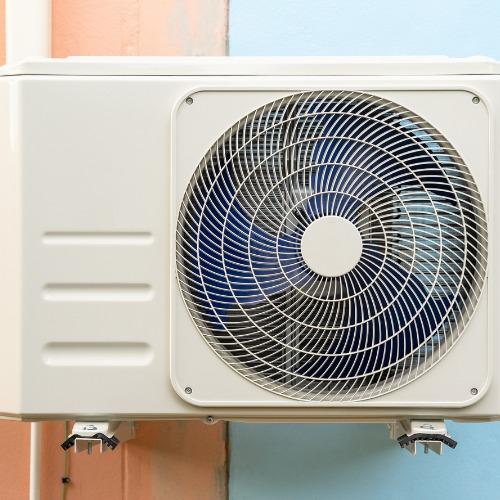
A sun-drenched sunroom facing west absorbs massive heat loads during late afternoons, requiring different airflow strategies than a shaded, north-facing bedroom. Multi-story layouts face natural stack effects, where rising warm air creates noticeable temperature disparities between floors. Addressing these structural realities means looking beyond single-thermostat setups:
-
Dedicated Ductless Zones: Ideal for problematic rooms, additions, or high-sun spaces that central systems struggle to cool.
-
Variable-Speed Air Handlers: Automatically ramp up or down to deliver precise CFM (cubic feet per minute) required for specific loads.
-
Solar Shading & Film: Reducing solar heat gain at the glass window reduces the total cooling tonnage needed inside.
By tailoring equipment output to match actual room-by-room thermal gains, you eliminate stubborn hot spots, reduce operating noise, and keep your entire home consistently comfortable.
2. Engineer Air Distribution and Pressure Balance
Even the highest-efficiency heating and cooling units will underperform if the duct system restricts or misdirects airflow. Proper air distribution relies on balanced static pressure—ensuring that the amount of air pushed into a room easily finds its way back to the system.
When interior doors are closed in rooms without dedicated return vents, static pressure spikes. This forces conditioned air out through tiny duct leaks and pulls unconditioned attic or crawl space air inside through building gaps. Implementing dedicated return grilles or installing jumper ducts above bedroom doorways restores pressure balance across the home.
Equally important is duct integrity. Sealing sheet metal joints and flex duct connections with brush-on mastic sealant—rather than standard duct tape—prevents energy loss in unconditioned spaces. Well-balanced, airtight ductwork ensures that every cubic foot of air you pay to cool or heat actually reaches your living spaces.
3. Leverage Dynamic Controls and Predictive Scheduling
Transitioning from basic programmable thermostats to dynamic, smart climate controls unlocks deeper efficiency and more precise comfort management. Modern smart control platforms go beyond rigid time-of-day schedules by incorporating adaptive learning, humidity sensors, and local weather forecasts.
To maximize performance while keeping energy bills predictable, consider these control strategies:
-
Humidity Setpoint Coupling: Allow your system to target a specific relative humidity percentage (e.g., 50%) alongside ambient temperature, preventing short-cycling on humid days.
-
Staged Recovery: Program smart thermostats to adjust temperatures gradually over 30 to 45 minutes rather than initiating aggressive temperature drops that force systems into energy-intensive high stages.
-
Occupancy Sensing: Utilize remote room sensors to direct cooling or heating priority strictly to occupied zones, allowing unused spaces to coast.
For homeowners reviewing local options, investigating tailored HVAC strategies in Slidell provides regional context on selecting control systems built to withstand high coastal humidity and sudden weather shifts.
4. Protect Mechanical Integrity Against Environmental Stress
HVAC systems operating in harsh coastal environments encounter unique environmental hazards that inland systems never face. High dew points, air-borne salt, heavy precipitation, and organic growth pose constant threats to electrical and mechanical components.
Protecting your investment requires targeted preventive care:
-
Coil Protection: Apply specialized anti-corrosion coatings to exterior aluminum fins and copper tubing to shield them against salt-air degradation.
-
Drain Line Maintenance: Clean condensate drain pans and treat drain lines regularly with eco-friendly clearers to prevent biological sludge from clogging lines and causing indoor water damage.
-
Electrical Inspection: Inspect contactors, capacitors, and wire terminals annually for signs of heat stress, insect intrusion, or pitting.
Addressing minor wear and tear during routine seasonal tune-ups keeps systems operating at peak seasonal energy ratings (SEER2) and prevents unexpected equipment failures during summer heatwaves.
5. Align Equipment Replacement with Envelope Optimization
When planning an HVAC upgrade, replacing equipment without evaluating the surrounding home structure is a missed opportunity. Modern inverter-driven systems perform best when paired with an energy-efficient building envelope.
Before selecting new equipment capacities, perform essential home sealing steps:
-
Add blown-in cellulose or fiberglass insulation in the attic to achieve recommended R-values.
-
Seal plumbing penetrations, electrical outlets, and canned lighting fixtures where air leaks occur.
-
Ensure attic ventilation—such as soffit and ridge vents—is clear to prevent extreme heat buildup directly above ceilings.
Completing envelope improvements before purchasing new HVAC equipment often allows you to downsize to a smaller, less expensive tonnage unit. A right-sized system running longer, gentler cycles consumes far less electricity, provides superior dehumidification, and lasts significantly longer than an oversized unit constantly cycling on and off.
Smart Home HVAC & Moisture Strategies
1. Tailor Airflow Dynamics to Building Architecture
Every home presents a unique set of heating and cooling challenges based on its structural envelope and floor plan layout. High ceilings, expansive glass windows, and open-concept living spaces dictate how conditioned air circulates throughout the home.
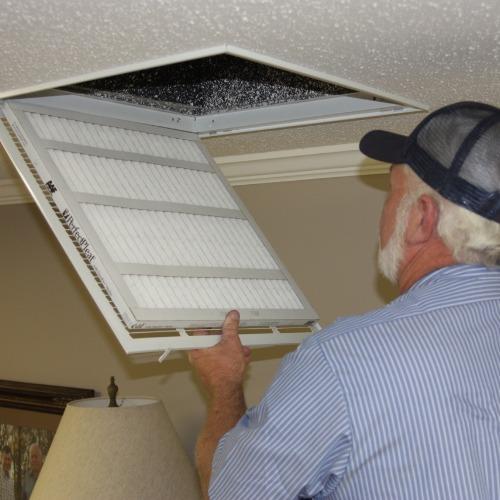
In multi-story residences, heat naturally rises to upper levels while cooler air settles on the ground floor. Addressing these vertical thermal shifts requires strategic airflow balancing rather than simply adjusting a single central thermostat:
-
Zoned Air Distribution: Uses motorized dampers within the ductwork to redirect air to specific floors or rooms based on real-time temperature demands.
-
Variable-Speed Blower Motors: Automatically adjust fan speeds to maintain precise static pressure and consistent airflow throughout large layouts.
-
Strategic Return Vents: Pulls warm air from upper levels and cool air from lower areas back into the system to encourage continuous air mixing.
By configuring your system layout to respect your home’s architectural flow, you eliminate hot and cold spots, reduce strain on mechanical components, and achieve balanced comfort across every room.
2. Implement Dual-Action Moisture and Filtration Strategies
In coastal environments, managing indoor humidity is just as important as maintaining temperature. High humidity levels make moderate temperatures feel uncomfortable while creating ideal conditions for dust mites, airborne spores, and lingering odors.
Integrating whole-home dehumidification directly into your central air network ensures that indoor relative humidity stays within an ideal range (between 40% and 50%), even on humid days when active cooling isn't running. Pairing moisture control with targeted air filtration creates a cleaner, healthier living environment:
-
High-MERV Media Filters: Captures fine particulates, pollen, and dust without excessively restricting system airflow.
-
In-Duct Air Purifiers: Neutralizes volatile organic compounds (VOCs) and indoor odors as air cycles through the system.
-
Sealed Return Ducts: Prevents unconditioned, dust-laden air from crawl spaces or attics from entering your living areas.
Controlling humidity alongside particulate filtration protects hardwood floors, preserves interior finishes, and ensures that the air circulating through your home stays fresh and clean.
3. Utilize Predictive Controls and Efficient Scheduling
Modern thermostat systems offer powerful automation tools that help lower energy consumption while maintaining reliable comfort. Beyond standard time-of-day programming, smart thermostats utilize adaptive algorithms, outdoor weather monitoring, and proximity sensing to adjust system operation based on actual household activity.
To optimize energy efficiency without creating drastic indoor temperature swings:
-
Set Gradual Adjustments: Program temperature changes in small increments (1–2 degrees) to prevent system overwork or accidental activation of auxiliary heat strips.
-
Maintain "Auto" Fan Settings: Keeps the fan running only during active cooling or heating cycles, allowing moisture to drain off indoor coils rather than re-entering the home.
-
Schedule Humidity Setpoints: Set dedicated humidity limits so your system prioritizes moisture removal during muggy spring and fall days.
For local homeowners seeking tailored solutions, reviewing expert options for HVAC in Slidell provides valuable insight into choosing equipment and controls designed specifically for Gulf Coast weather conditions.
4. Establish Coastal Maintenance and Protection Protocols
Operating a heating and cooling system in coastal areas exposes sensitive components to persistent salt air, fine grit, and heavy seasonal moisture. Without regular maintenance, salt residue accumulates on outdoor condenser coils, acting as an insulating barrier that restricts heat exchange and accelerates metal corrosion.
A comprehensive seasonal care plan should focus on protecting critical outdoor and indoor components:
-
Freshwater Coil Rinses: Regularly washing outdoor aluminum fins with low-pressure fresh water removes salt buildup and debris.
-
Condensate Drain Treatment: Clearing drain pans and flushing condensate lines prevents biological growth from clogging drains and causing overflow damage.
-
Terminal and Electrical Checks: Inspecting contactors, capacitors, and wiring for corrosion ensures stable electrical flow and prevents sudden component failures.
Proactive care preserves your system's operational efficiency, extends the lifespan of major mechanical parts, and reduces the likelihood of emergency breakdowns during peak summer or winter weather.
5. Combine Envelope Upgrades with Precision Equipment Sizing
Maximum system efficiency is achieved when high-performance HVAC equipment works alongside a well-sealed building envelope. Simple thermal envelope improvements reduce overall system load, allowing cooling and heating systems to operate more efficiently:
-
Weatherstripping and Caulking: Sealing gaps around windows, exterior doors, and attic hatches stops conditioned air from escaping.
-
Attic Insulation Boosts: Upgrading insulation levels above living spaces blocks radiant heat transfer from sun-baked roofs.
-
Solar Window Film: Applying reflective window treatments to west- and south-facing glass minimizes midday heat gain.
When replacing older equipment, proper sizing calculations are critical. Oversized units cycle on and off rapidly, failing to pull moisture from the air while increasing electrical wear. Undersized units run continuously without reaching set temperatures. Selecting right-sized, variable-speed equipment paired with well-insulated ductwork provides consistent indoor temperatures, superior humidity management, and lower long-term operating costs.
