Hidden Corners and Signature Sights around Traverse City, MI 49696
Essential Places to Discover around Traverse City’s 49696
Introduction to the Landscape
East of downtown, the 49696 area fans out into rolling glacial hills, pine and hardwood forests, and a lacework of inland lakes that feed the Boardman River. The terrain alternates between quiet preserves and lively waterfronts, offering visitors a combination of seclusion and conviviality. Shifting from gravel backroads to shoreline promenades feels seamless here, yet each setting has its own character. The following guide highlights standout places to seek out, showcasing trails, overlooks, shorelines, and cultural pockets that reward curiosity.
Lakes, Quiet Areas, and Tranquil Shores
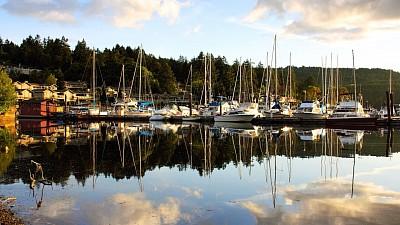
The southeastern skirts of Traverse City brim with kettle lakes and mellow river bends, creating a habitat for loons, herons, and patient anglers. Shorelines remain largely wooded, with pockets of sandy access and rustic boat launches tucked into the canopy. Mornings are glassy. Evenings glow. The cadence is unhurried, which suits wanderers who prefer serene observation over bustle.
- Arbutus Lakes Chain
- Brown Bridge Quiet Area
- Boardman River Nature Center and trails
- Grace Macdonald Park
- Sand Lakes Quiet Area
- Sabin Pond overlook
- Boardman Lake waterfront and trailheads
Wander along the river in the Brown Bridge Quiet Area, where paths weave through red pine and cedar to reach gravel bars and broad overlooks. The hush here is almost tactile. Across different loops, the understory shifts from ferny carpets to sun-baked jack pine, and the river’s complexion changes accordingly—from riffled runs to placid meanders. Near the Boardman River Nature Center, interpretive paths open a living classroom for families, with boardwalk segments that keep your boots dry while you peer into marshy edges for turtles and spring ephemerals.
Trail Networks, Singletrack, and Rolling Two-Tracks
East of town, the forested uplands are interlaced with signed pathways, sandy two-tracks, and looping singletrack. Surfaces vary—hard-packed in shaded corridors, loamy on north slopes, and sugar-sand where the sun asserts itself. Cyclists gravitate to sustained, flowing climbs and punchy descents. Hikers relish the mixed ecology, noting how lichens colonize exposed roots while mushrooms stud decaying logs after rainfall.
- VASA Pathway trail system access points
- Pere Marquette State Forest spurs
- Ransom Lake Natural Area footpaths
- M-72 corridor trailheads
- Supply Road gravel routes
A practical approach is to start at a main trailhead, then branch toward less-traveled spurs. On the VASA corridors, steady grades encourage a rhythmic pace; on adjacent state forest lines, you may encounter sandy stretches that demand finesse and lighter steps. Look for kettle depressions where frogs chorus after dusk and, in autumn, high ridgelines that act like viewing balconies over a patchwork of color.
Waterfront Greens, Urban Strolls, and Culture
While the inland reaches promise solitude, the bayside core of Traverse City offers movement and convivial charm. Wide open lawns and pedestrian paths skirt the shoreline, perfect for picnics, kite-flying, or simply absorbing the expanse of Grand Traverse Bay. Just inland, historic brick storefronts hum with galleries, cafés, and markets.
- Clinch Park and Open Space
- Downtown Front Street promenades
- Boardman Lake Trail and library landing
- Hull Park and the maritime basin
- The Village at Grand Traverse Commons and surrounding trails
A day can unfurl naturally: begin with a sunrise stroll along Clinch Park’s waterfront, follow the Boardman Lake Trail through patches of cattails and willow, then pivot to Front Street for a late lunch and gallery browsing. At The Village at Grand Traverse Commons, woodland footpaths lace around old sandstone buildings, blending architecture with nature in a way that feels both nostalgic and forward-looking.
Peninsula Drives, Vineyard Views, and Lighthouse Grounds
North of town, the Old Mission Peninsula stretches like a verdant finger into the bay, flanked by orchards and hilltop vineyards. The roadway undulates, yielding vantages where water gleams on both sides. Weather can shift quickly, creating a chiaroscuro of light and shadow that transforms the same hill within minutes. At the end, lighthouse grounds invite lingering.
- Old Mission Peninsula scenic overlooks
- Mission Point Lighthouse shoreline paths
- Bayfront pocket parks along the route
Pack a simple picnic and trace the peninsula’s spine, pulling off at pocket parks where steps descend to pebbled beaches. Flat stones warm quickly in the sun; driftwood perches become impromptu seats. The lighthouse precinct provides interpretive signage, forested trails, and broad water views that sharpen in late afternoon when the sun angles low across the bay.
Forest Roads, Overlooks, and Hidden Vistas
A lattice of county roads and sandy lanes fans east toward upland overlooks. Drive slowly and you’ll notice subtle transitions—jack pine to mixed maple, dry ridge to moist swale, sunlight to dappled shade. Occasional clearings create vista points where you can see undulating tree lines marching toward the horizon.
- Supply and High Lake corridors
- Williamsburg backroads and kettle basins
- Seasonal forest access lanes
On these routes, patience pays. Pull over at safe turnouts to listen—wind combing through aspen leaves, a hawk’s keening call, the far-off murmur of the river. Bring a field guide, or simply watch and absorb. In spring, vernal pools thrum with life. In winter, the same basins turn austere, their beauty sharpened by stillness.
Family-Friendly Parks and Easy Adventures
Families will find an abundance of playgrounds, short loops, and accessible picnic areas sprinkled throughout the area. Grassy fields border shaded groves, and many sites include short connector paths to water’s edge. The aim is effortless fun—unfussy, close to nature, and easy to personalize.
- Grace Macdonald Park ballfields and trails
- Medalie Park at the Boardman Lake inlet
- Twin pocket beaches along East Bay
- Hull Park lawn and marina overlook
Consider a progressive afternoon: start at a shaded playground, transition to a lakeside snack, then round out the day with a gentle path where kids can watch minnows in the shallows. Keep an eye out for interpretive signs; even a brief stop can spark curiosity about local habitats and stewardship.
Seasonal Rhythms and Practical Tips
Across the year, these places change in spirit and texture. Spring swells with songbirds and tender greens. Summer invites swims and long twilight walks. Autumn offers luminous color and crisp air along ridge-top trails. Winter quiets the forest, sharpening silhouettes and revealing tracks that tell quiet stories. Dress in layers, carry water, and check park notices or trail conditions before setting out. Respect posted guidelines, pack out what you carry in, and share narrow paths with courtesy. The reward is mutual—landscapes stay pristine, and experiences remain unspoiled.
Conclusion: A Mosaic of Experiences
The 49696 environs deliver breadth without sacrificing depth. Within a short span, you can drift from hushed riverbanks to lively promenades, from pine-scented ridges to lighthouse lawns. Choose a handful of places, wander at an unhurried pace, and let the region’s textures guide the day. With each visit, another layer reveals itself—a new overlook, a different birdsong, a subtler hue on the water—adding dimension to a landscape that invites return.
Must-Find Places Around Traverse City, MI 49696
Exploring the Heart of Grand Traverse Country
Nestled among rolling moraines, glossy inland lakes, and whispering pines, the southeast side of Traverse City invites deliberate wandering. Around the 49696 zip code, the landscape shifts from hushed wetlands to sandy ridgelines, making every short drive or trail stroll feel newly minted. The area rewards curiosity: veer down a gravel lane, follow the scent of cedar, or chase a glint of blue water through the trees, and a memorable place often reveals itself. These are destinations to find and pick based on mood, weather, and whim—each offering its own cadence and character.
Lakes and Quiet Waters Near Arbutus Hill
Just beyond the curve of Arbutus Hill Road, a mosaic of kettle lakes glistens beneath spruce and maple. Some shores are sandy and sunlit; others are reed-fringed and secluded, ideal for a contemplative pause. Early mornings bring mirror-still water and a chorus of loons cutting through the dawn hush. Later, dragonflies patrol the coves while paddlers trace gentle arcs along the shoreline. Seek public access points that feel tucked away yet welcoming; they invite a picnic spread, a sketchbook session, or a lingering swim. Even in cooler months, these lakes hold their own—a soft gray light, the scent of damp leaf litter, and the satisfying crunch of shoreline pebbles underfoot.
Trails and Pine-Scented Pathways
The forested corridors near the 49696 area unfurl with sandy singletrack and broad, well-marked pathways. Pine needles cushion every step, and the understory shuffles with chipmunks as birch leaves tremble overhead. Choose a gentle loop for a family outing or a longer ramble that links ridges, bogs, and river overlooks. Keep an eye out for trail spurs leading to unexpected viewpoints—modest hills granting sweeping vantages of lowland marshes and dune-like knolls. In winter, these same trails turn into silent avenues for snowshoeing or fat-tire adventure, with the resinous fragrance of conifers intensified by the cold.
Rivers, Rapids, and Riverine Meadows
The Boardman River, a defining feature of greater Traverse City, meanders through meadows and cedar swamps before tightening into riffles that whisper of the region’s glacial past. Along its banks, footpaths and nature overlooks provide space to observe trout finning in clear eddies or to watch midges halo above the water at dusk. The river corridor offers variety: broad floodplains with swaying grasses, oxbows patrolled by herons, and stretches where the current quickens and foams over cobble. Bring a field guide, or simply sit and listen to the layered rhythms—flow, wind, leaf, and birdcall blending into a single, steady pulse.
Historic Districts and Cultural Waypoints
Traverse City’s past is legible in brick, timber, and limestone. Closer to downtown, a historic campus reborn as a community hub offers a rare blend of architecture, gardens, and tree-shaded lawns. The preserved barns and manicured grounds nearby frame seasonal events, art installations, and unhurried picnics. Across town, a sleek, thoughtfully curated museum pairs regional stories with international artistry, while a renowned arts campus to the southwest anchors performances and recitals beneath towering red pines. Pair a morning on the trails with an afternoon of gallery wandering; the contrast sharpens appreciation for both.
Waterfront Promenades and Urban Greenways
The shoreline of Grand Traverse Bay is a string of pocket beaches, marina overlooks, and polished promenades. Boardwalks skim the water’s edge, offering benches for sunset watchers and plenty of space for leisurely cycling. Families settle onto sandy coves where the water slides from turquoise to deep sapphire only a few yards out. Just inland, a loop trail encircles a city lake, weaving past canoe landings, pocket parks, and a boat launch that buzzes in summer and grows meditative under a winter sky. Stop for a scoop or a warm drink, then continue until the city’s sounds blend into the rustle of reeds.
Peninsula Drives and Vineyard Ridges
North of town, the land narrows into a peninsula laced with orchard rows and vineyard terraces. The road rises and falls, curling past century-old farmsteads, roadside stands, and overlooks where both arms of the bay flash in tandem. At the tip, a historic lighthouse anchors a park-like spit of land flecked with wind-gnarled trees and sugar-sand paths. Along the east side, a quiet beach draws readers and rock-hunters, while the west side catches the day’s last light in a slow, golden pour. The drive itself—unhurried and curvaceous—is half the experience.
Big Horizons and Dune Country
A little farther west, the region’s famed dune country waits with towering bluffs, beech-maple forests, and overlooks that unfurl a horizon seemingly without end. Trails thread through sheltered bowls of sand and rise to crests where lake breezes sharpen and gulls circle. Some routes plunge back into forested ravines cool even on hot afternoons. The landscape shifts with every step, revealing textures—sugar sand, polished stones, crisp beach grass—that beg to be explored with patience and curiosity.
Family-Friendly Parks and Picnic Corners
Parks across the area are tuned to simple pleasures: grassy fields for catch, shaded tables for lunch, and shallow entries for cautious swimmers. In a single afternoon, it’s easy to assemble a patchwork of experiences—morning splash at a calm bay, a shaded playground stop, and a mellow hike beneath cathedral pines. Pack a blanket, a thermos, and a pair of binoculars; even an unassuming corner may reward with an osprey sighting or a flush of wildflowers along a drainage swale.
Selected Places to Seek Out
- Brown Bridge Quiet Area
- Boardman River Nature Center
- VASA Pathway
- Grace MacDonald Park
- Boardman Lake Loop Trail
- Clinch Park and Marina Promenade
- East Bay Park
- Hickory Hills Recreation Area
- Historic Barns Park
- The Village at Grand Traverse Commons
- Pelizzari Natural Area
- Mission Point Lighthouse
- Haserot Beach
- Old Mission Peninsula Scenic Drive
- Sleeping Bear Dunes National Lakeshore
- Pyramid Point Overlook
- Twin Lakes Park
- Cedar Lake access points
- Ranch Rudolf trail access
- Pere Marquette State Forest trail segments
How to Pick the Right Place for the Day
- For stillness: choose a kettle lake at daybreak or a backwater bend of the Boardman where the current slackens and reeds bow slightly in the breeze.
- For movement: follow the rolling lines of the VASA or connect forest loops that dip through cedar swales and rise onto sandy high ground.
- For sky: drive the peninsula at golden hour, pausing wherever the light skims the bay and the orchards glow.
- For heritage: wander the historic campus and barns, then trace civic greenways into town to pair architecture with shoreline vantage points.
- For panorama: head west to dune overlooks where wind, water, and horizon meet in a broad, luminous plane.
Seasonal Nuance and Sensory Detail
Spring brings a wash of trout lilies under beech, the splash of runoff in narrow culverts, and the first steady hum of bicycles along urban trails. Summer leans lush—thick leaf canopies, warm-water bays, and sunset gatherings at marina railings. Autumn turns the ridgelines russet and gold; the forest floor smells of clove and loam, and the peninsula roads glow beneath arching maples. Winter compresses color into crisp blues and whites, adding a hush to riverbanks and transforming trails into bright corridors of frost-lit beauty.
Practical Rhythm and Respect for Place
Pack layers, water, and a small trash bag; weather and trail conditions change quickly near the lakes. Use designated pull-offs and marked access points, especially around fragile dunes and riverbanks. Leash pets where required, yield on narrow paths, and let the landscape set the tempo. With a little care, each visit becomes part of the area’s ongoing story—quiet, resilient, and deeply rooted in the woods-and-water mosaic that defines Traverse City, MI 49696
