Keeping Cool Under Pressure: How Pros Triage AC Breakdowns
Staying Comfortable During Heat Waves
Staying comfortable during a heat wave depends on a cooling system that can handle long run times, high humidity, and dusty outdoor conditions. When an air conditioner quits unexpectedly, fast, structured troubleshooting makes the difference between hours of discomfort and a quick return to normal. Understanding how professionals approach diagnostics—and what you can do safely before help arrives—can reduce stress, prevent damage, and speed up repairs.
Understanding AC Failures During Peak Heat
Prolonged high temperatures push every part of an air conditioner to its limits. Outdoor condenser coils accumulate grime faster, indoor filters load up with fine debris, and refrigerant pressures swing wider. Breakdowns often trace back to airflow restrictions, electrical faults, or component wear that finally shows up under stress. Spotting early symptoms—warm supply air, longer run times, unusual vibrations, brief power cycling—gives you a chance to act before a minor hiccup becomes a major outage.
First-Aid Steps Before You Call
A few safe checks can rule out simple issues and protect the system:
-
Confirm the thermostat is set to Cool and a temperature below the room reading.
-
Ensure the air filter is clean and properly seated.
-
Verify the outdoor unit has clear space on all sides and no debris blocking the coil.
-
Check that breakers and any outdoor service switch are in the On position.
If the system still won’t cool, avoid repeated restarts. Let the unit sit for 10–15 minutes if it shut off on a safety or high-pressure condition. Document any error codes or blinking lights on your thermostat or air handler to share with the technician.
What Technicians Check on Arrival
Professionals follow a systematic process to find root causes while protecting your equipment and home. A typical sequence can include:
-
Electrical safety and power verification: confirming voltage, inspecting disconnects, and checking fuses.
-
Thermostat and control signals: ensuring accurate readings and proper communication with the air handler and condenser.
-
Airflow assessment: examining filters, blower performance, duct restrictions, and evaporator coil condition.
-
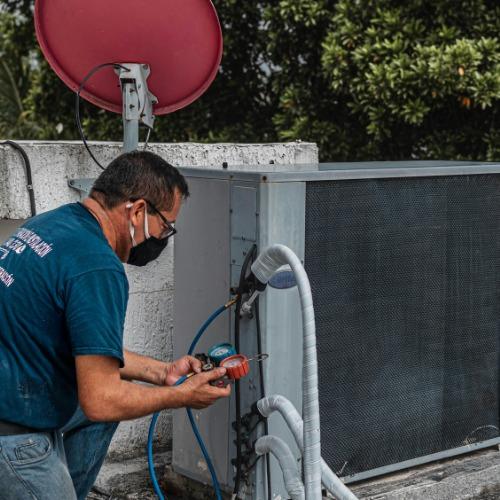
Refrigerant circuit evaluation: measuring pressures and temperatures to diagnose undercharge, overcharge, or non-condensables.
-
Mechanical inspection: listening for bearing noise, verifying fan motor operation, and checking compressor startup and run performance.
Each step narrows the problem without guesswork. When conditions are severe, pros may stabilize the system first—such as restoring airflow or clearing iced coils—before final tuning and verification.
Preventive Moves That Pay Off
Small habits protect your comfort when heat indexes climb:
-
Change or clean filters on a regular cadence suited to your home’s dust and pet profile.
-
Keep a minimum of two feet of clearance around the outdoor unit and rinse the coil gently from the inside out when grime is visible.
-
Seal obvious duct leaks, especially in attics and crawl spaces, to preserve capacity and reduce runtime.
-
Use ceiling fans and close blinds during peak sun to lower the cooling load and shorten cycles.
-
Schedule preseason tune-ups to catch weak capacitors, worn contactors, or airflow imbalances under controlled conditions.
Safety and Indoor Air Notes
Cooling performance and indoor air quality go hand in hand. Watch for musty odors, visible condensate leaks, or frequent coil icing—signals that airflow or drainage needs attention. Be mindful of:
-
Water near the air handler or secondary drain pan
-
Sudden spikes in humidity or sticky indoor conditions
-
Frequent breaker trips or warm electrical smells
-
Frost on refrigerant lines or the evaporator housing
Turn the system off and seek professional help if electrical or water risks appear. Addressing moisture quickly helps prevent secondary issues and protects finishes, flooring, and electronics.
When Speed Matters
High heat can escalate minor malfunctions into bigger repairs. Quick communication, clear symptom notes, and a safe pre-check shorten diagnostic time. With a disciplined triage, technicians can stabilize cooling, verify operation under load, and recommend any follow-up to improve reliability through the next stretch of heat.
Member Spotlight
NexGen Heating & Air Conditioning, LLC
108 N Broadway St, Joshua, TX, 76058
(817) 893-6010
https://nexgen-air.com/
NexGen Heating & Air Conditioning, LLC is your locally owned and operated HVAC contractor. We strive to meet your HVAC needs by providing the best possible heating and cooling service in the greater Johnson County area. Whether you need a new HVAC installation or heating and cooling repair, NexGen Heating & Air Conditioning’s 25 years of experience is there for you. Don’t wait, call us today. Based in Joshua, TX, the team is ready to respond when comfort can’t wait, including prompt support for emergency ac repair, routine system maintenance, and dependable diagnostics that keep homes cool and safe all season.
