Five Forces Shaping Modern Dental Care: Prevention, Technology, Experience, Safety, and Sustainability
1. Prevention as the Foundation of Lifelong Oral Health
Preventive dentistry anchors the entire care journey by emphasizing habits and interventions that help maintain strong teeth and gums before problems develop. Daily brushing and flossing, fluoride exposure through toothpaste and professional applications, and sealants for vulnerable chewing surfaces all contribute to lowering the risk of decay and gum disease. Regular checkups enable clinicians to spot early signs of wear, cracks, or inflammation, which can be addressed with conservative measures rather than invasive procedures.
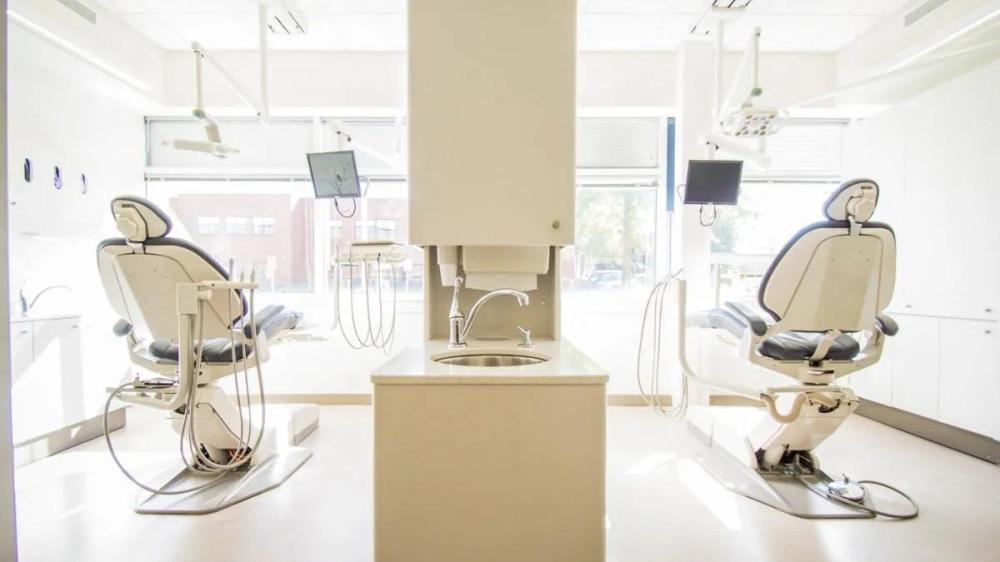
For example, a patient with early enamel demineralization might benefit from targeted remineralization strategies and habit coaching, avoiding future discomfort and extensive treatment. Nutrition counseling supports these efforts by aligning dietary choices with oral health goals, highlighting the role of balanced meals and reduced snacking on sugary foods. When prevention is prioritized, outcomes often include greater comfort, improved confidence, and long-term stability.
2. Digital Dentistry Enhancing Precision and Comfort
Digital dentistry encompasses tools that improve diagnostics, treatment planning, and clinical accuracy. Intraoral scanners create detailed digital impressions without traditional materials, often improving comfort for those with sensitive gag reflexes. Digital radiography provides crisp imagery to help identify issues such as interproximal decay or bone changes while supporting careful treatment decisions. Computer-aided design and manufacturing enable precise fabrication of restorations, aligning fit and function with the patient’s bite and aesthetics.
For example, a digitally designed crown can be tailored to existing anatomy, helping distribute chewing forces evenly and protecting surrounding structures. Even beyond restorative work, 3D imaging can assist with orthodontic planning by mapping tooth movement pathways and assessing root positions, contributing to effective alignment strategies. These technologies streamline communication, with visual aids that help patients understand their options and expected outcomes.
3. Patient Experience and Communication Driving Better Outcomes
A positive patient experience starts with clear communication, flexible scheduling options, and a welcoming environment. Personalized consultations set the tone by addressing goals and concerns, whether related to sensitivity, esthetics, or long-term function. Thorough explanations of findings—such as the implications of gum recession, enamel wear, or bite discrepancies—empower informed decision-making. Visual models and chairside images make complex topics more approachable, bridging gaps between clinical terminology and everyday understanding.
Comfort measures, like gentle techniques and mindful pacing, help reduce anxiety for those who feel uneasy during appointments. Thoughtful follow-up, including home-care guidance and recall timing, reinforces healthy routines and strengthens trust. Consider a patient who struggles with nighttime clenching: education about protective appliances, jaw relaxation techniques, and monitoring for wear facets can reduce future damage while improving day-to-day comfort.
4. Safety and Infection Control as Non-Negotiable Standards
Infection control protects both patients and clinical teams through established protocols that are consistently applied and frequently reviewed. Careful sterilization and disinfection procedures, combined with appropriate personal protective equipment, form the backbone of a safe environment. Instrument processing follows standardized steps to ensure reliability, while operatory turnover includes meticulous surface management. Air and water quality protocols further support a clean setting for care.
Training and documentation help maintain consistency across all appointments, and ongoing education keeps clinical teams aligned with current best practices. For example, a routine visit might involve clearly organized instrument cassettes, hand hygiene checkpoints, and a transparent sequence for preparing and closing the treatment area. When safety is woven into every stage—from check-in through dismissal—patients can focus on their health goals with confidence, knowing that attention to detail extends well beyond the clinical procedure itself.
5. Sustainability and Responsible Resource Use in Dentistry
Sustainability in dentistry is increasingly important as practices aim to minimize environmental impact without compromising clinical quality. Smart inventory management reduces waste by preventing expired materials and optimizing supply usage. Reusable tools that withstand proper sterilization cycles can help limit single-use plastics, while careful selection of eco-conscious products supports broader environmental goals.
Energy-conscious practices—such as switching to efficient lighting and powering down equipment when not in use—contribute to a smaller footprint. Paperless systems reduce clutter and streamline information flow, making it easier to track care plans, imaging, and consent forms. For example, digital intake and secure messaging can replace stacks of paper forms and printed reminders, improving both convenience and resource stewardship. When combined with thorough recycling protocols and mindful purchasing, these steps reflect a comprehensive approach that aligns oral health care with community well-being and long-term ecological responsibility.
Five Forces Transforming Modern Dentistry: Technology, Prevention, and Patient-Centered Care
1. Digital Dentistry Redefines Diagnostics and Treatment Planning
Digital imaging, intraoral scanning, and computer-aided design are reshaping how clinicians diagnose, communicate, and deliver care. High-resolution images help reveal early signs of decay, gum changes, and bite discrepancies with impressive clarity, allowing teams to act before small issues become complex problems. Intraoral scanners replace conventional impression materials with fast, comfortable scans that create precise 3D models. These models guide crowns, bridges, aligners, and occlusal guards, improving fit and streamlining appointments.
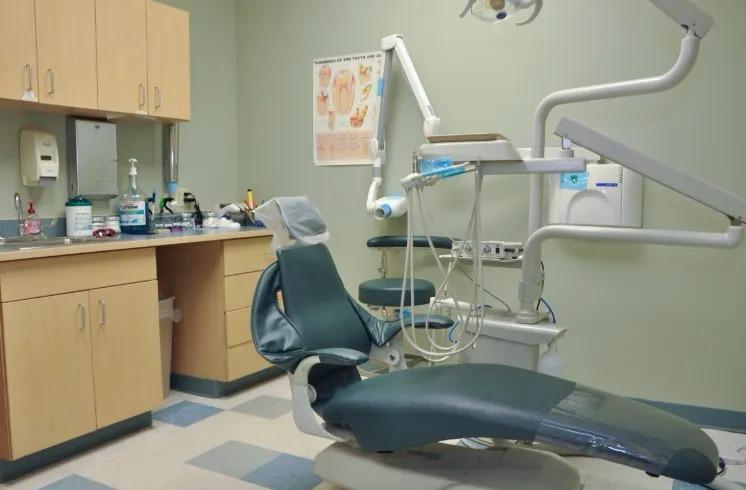
For example, a patient with severe enamel wear can be scanned chairside, then evaluated with a digital bite analysis to design a protective night guard. The same digital file can assist with restorative planning, ensuring that the final restoration restores function and preserves natural tooth structure. Practices also use secure digital platforms to share imagery and treatment options with patients, enhancing understanding and confidence in the plan.
2. Preventive Care Moves Upstream for Lifelong Oral Health
The industry’s focus has shifted toward prevention as the foundation of long-term oral wellness. Regular exams, professional cleanings, and patient education about daily brushing and flossing form the core, but modern prevention goes further. Salivary assessments, cavity risk evaluations, and personalized home-care recommendations help tailor strategies to each individual.
Patients with dry mouth, for instance, may benefit from targeted lubricating rinses and nighttime routines designed to protect vulnerable enamel. Tooth sensitivity can be addressed with desensitizing agents, dietary guidance, and gentle brushing techniques that protect the gumline. Preventive sealants, when clinically appropriate, can protect deep grooves on molars from decay. Another example is athletic mouthguards crafted from precise models to help absorb impact and protect teeth during sports. By emphasizing early detection and protective interventions, dental teams reduce the likelihood of invasive procedures and support overall health.
3. Patient Experience and Comfort Take Center Stage
A welcoming, low-stress environment has become a distinguishing feature of modern practices, reflecting a broader understanding that comfort meaningfully influences outcomes. From ergonomic operatories and noise-reducing equipment to clear, empathetic communication, each touchpoint matters. Many teams employ visual aids to show how a procedure works and what recovery entails, demystifying the process.
For those with dental anxiety, strategies such as calming breathing techniques, distraction options, and step-by-step pacing can make visits more manageable. Consider a first-time patient with a history of postponed care: a pre-visit call to review concerns, followed by a gentle exam and a phased treatment plan, can transform apprehension into confidence. Post-visit follow-ups, including tailored home-care tips, reinforce trust and continuity. By honoring individual preferences and pacing, the patient experience becomes more than a courtesy—it becomes a clinical advantage that supports adherence and results.
4. Advanced Materials Elevate Strength, Aesthetics, and Longevity
Contemporary restorative materials balance durability with lifelike appearance. Tooth-colored composites can be carefully layered to match natural translucency and shade variations, preserving more native structure than traditional methods often required. High-performance ceramics used in crowns and veneers are engineered for wear resistance while blending seamlessly with surrounding teeth. Adhesive bonding techniques have improved, helping restorations integrate securely and distribute chewing forces more evenly.
In a common scenario, a chipped front tooth can be rebuilt in a single visit using a shade-matched composite, restoring confidence without aggressive reduction of healthy enamel. Similarly, posterior teeth with substantial damage may benefit from ceramic onlays that reinforce the tooth rather than replacing it entirely. These material advances give clinicians more conservative options that respect biology while meeting functional demands.
5. Integrated Care and Practice Management Enhance Outcomes
Strong coordination across the dental team and with other health professionals supports comprehensive care. When hygienists, dentists, and specialists share findings and goals, treatment becomes more efficient and cohesive. Interdisciplinary collaboration may connect periodontal therapy with orthodontic planning or align restorative work with temporomandibular joint considerations.
On the operational side, streamlined scheduling, transparent treatment sequencing, and clear financial communication reduce friction for patients and staff alike. Digital recordkeeping and secure messaging can help ensure continuity, especially when a case involves multiple phases or referrals. For example, a patient completing gum stabilization might be scheduled seamlessly for a follow-up restoration, with all imaging and notes available in one place. Thoughtful practice management keeps attention where it belongs—on clinical excellence and patient well-being—while minimizing delays and avoidable complications.
