Smart hvac Strategies for Comfortable, Efficient Buildings
Understanding Seasonal Loads
Indoor comfort hinges on anticipating how weather patterns, occupancy, and building use shift throughout the year. Right-sizing equipment for both peak and part-load conditions prevents short cycling in mild weather and sluggish performance during extremes.
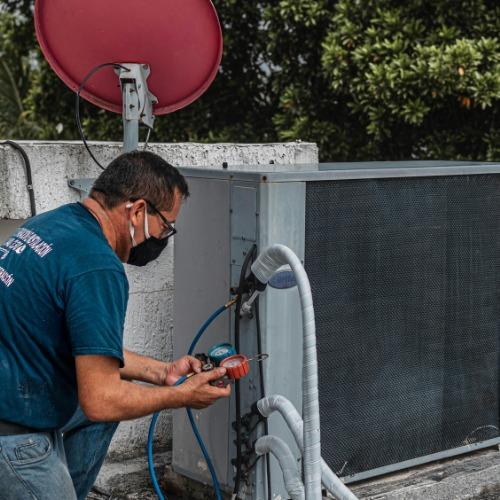
Thoughtful load calculations consider building envelope tightness, window orientation, internal heat gains from people and electronics, and the local microclimate surrounding the structure. By pairing system capacity with real-world demand, equipment runs more steadily, humidity stays in check, and temperature swings are minimized. The result is less wear on mechanical components and a quieter, more consistent indoor environment.
Smart Controls and Zoning
Controls have moved far beyond simple temperature setpoints. Adaptive thermostats, remote monitoring, and zone-by-zone strategies align system output with actual occupancy. In a home, separating sleeping areas from primary living zones reduces overall energy use without sacrificing comfort. In commercial spaces, demand-driven ventilation and staged operation keep airflow balanced while avoiding unnecessary runtime.
A clear control sequence—backed by proper sensor placement and calibration—delivers smooth transitions between heating, cooling, and ventilation. When controls are commissioned with care, systems respond quickly, limit overshoot, and preserve comfort during daily load swings.
Airflow, Ductwork, and Sealing
Even top-tier equipment struggles if airflow is restricted. Balanced supply and return paths, well-sized ducts, and tight connections are essential to overall performance. Attention to static pressure, filter selection, and coil cleanliness keeps fans operating in their optimal range.
In older buildings, leaky ducts can send conditioned air into attics or crawlspaces; sealing and insulating these pathways can significantly steady room-to-room temperatures. Grilles and registers should match the space’s layout, avoiding blocked air throws or dead zones. When airflow is tuned correctly, noise drops, comfort rises, and equipment efficiency improves without changing the system's baseline capacity.
Indoor Air Quality as a Core Outcome
Modern comfort includes clean, healthy air. Filtration that captures fine particulates, appropriate ventilation rates, and regulated humidity form a strong foundation for occupant well-being. Source control—such as selecting low-emitting finishes and managing moisture at the building envelope—reduces the burden on mechanical systems.
Dehumidification limits microbial growth in warm months, while humidification preserves comfort in cold, dry conditions. Environmental monitoring tools provide clear insights into air trends, helping facility teams correct imbalances before occupants ever notice. Aligning thermal comfort with air cleanliness directly supports productivity, sleep quality, and overall health.
Electrification and Heat Pumps
Growing interest in low-emission strategies has expanded the role of heat pumps, including cold-climate models and variable-capacity systems. Their ability to modulate output helps match shifting thermal loads while maintaining quiet operation.
Pairing heat pumps with smart controls and tight building envelopes yields steady comfort across most weather conditions. Hybrid configurations remain a practical solution in areas with especially harsh winters or where legacy infrastructure guides design choices. Success depends on careful equipment sizing, appropriate refrigerant management, and thoughtful air distribution that avoids drafts and room stratification.
Proactive Maintenance: A Practical Checklist
Regular attention preserves system performance and prevents avoidable downtime. A disciplined maintenance plan keeps small issues from becoming larger, costly breakdowns:
-
Verify control systems: Check thermostat schedules, sensor accuracy, and operational control sequences.
-
Inspect airflow components: Examine filters, coils, and drain pans; clean or replace them as needed to maintain proper airflow.
-
Evaluate mechanicals: Check electrical connections, drive belts, and moving parts for safe, quiet operation.
-
Confirm baseline health: Measure static pressure and temperature splits to verify operating conditions.
-
Optimize distribution: Review duct sealing, insulation, and supply registers to eliminate hot and cold spots.
Consistent documentation builds an accurate service history that guides future system improvements, preserves warranty coverage, and reinforces a culture of preventative care. Combined with clear communication between property owners and service professionals, routine maintenance offers a predictable path to dependable comfort.
Member Spotlight
Jen Air Inc.
1507 Smithtown Ave #17, Bohemia, NY, 11716
(631) 212-0801
https://www.jenairinc.com/
When comfort can’t wait, trust Jen Air Inc. for reliable, expert solutions across Long Island. The team is NATE-certified and focused on precision, transparency, and long-term performance. From high-efficiency air conditioning installation to dependable furnace repair and comprehensive heating solutions, Jen Air Inc. brings thoughtful system design and careful workmanship to every job. For urgent cooling needs, their 24/7 AC repair service restores comfort quickly and professionally. Whether it’s peak summer or a frigid cold snap, their specialists fine-tune systems to deliver balanced airflow and consistent temperatures. For trusted results in every season, choose Jen Air Inc. for true excellence in hvac.
