Five Trends Reshaping Residential HVAC: Efficiency, Electrification, and Smarter Comfort
Electrification and High-Efficiency Heat Pumps
Electrification is accelerating as homeowners seek lower operating costs and cleaner comfort. Modern cold-climate heat pumps deliver reliable heating in a wider range of outdoor conditions than legacy models, narrowing the gap between electric and fossil-fuel systems. A typical pathway includes heat pump installation for primary heating and cooling, paired with a supplemental system or smart controls to support the home during extreme cold snaps.
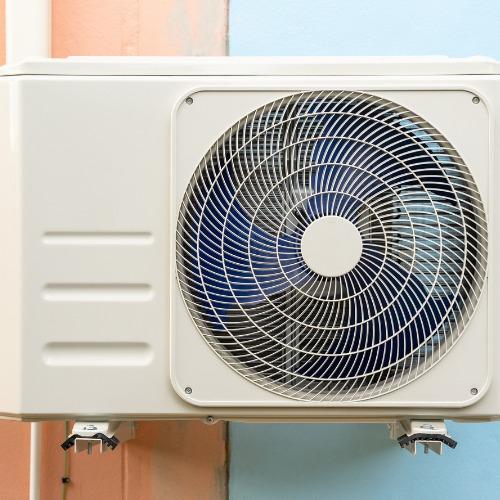
For example, a homeowner replacing an aging air conditioner may choose an air-source heat pump instead, immediately adding heating capability without expanding ductwork. In mild regions, variable-speed units provide precise temperature control and dehumidification, improving comfort while reducing system cycling. For homes with limited outdoor space, compact side-discharge units or multi-zone systems can serve multiple rooms with minimal visual impact. When paired with well-sealed ductwork and a properly sized air handler, these systems run at lower speeds for longer cycles, which enhances moisture removal and keeps temperatures steady.
Whole-Home System Design and Right-Sizing
System performance depends on more than the mechanical equipment; it starts with a precise load calculation and a holistic approach to the building envelope. Right-sizing prevents short-cycling, drafts, and uneven room temperatures. Technicians increasingly rely on room-by-room load calculations, duct design software, and commissioning checklists to confirm airflow, refrigerant charge, and static pressure.
Consider a renovation where new windows and insulation lower overall heat loss: a smaller-capacity system may now meet demand while improving comfort and lowering energy use. Ductwork deserves equal attention, as leaks, restrictions, and poor layouts erode the benefits of a high-efficiency unit. Sealing, resizing, and balancing dampers can correct pressure issues that otherwise lead to hot and cold spots. Zoning strategies can also divide a home into separate comfort areas, giving occupants more control over bedrooms, living spaces, and home offices. The result is a quieter, steadier system that aligns output with actual demand across seasons.
Indoor Air Quality as a Core Comfort Metric
Indoor air quality has shifted from an add-on to a central design goal. Filtration, ventilation, and humidity control work together to address particulates, odors, and moisture. High-MERV filters capture finer particles, but they require careful attention to pressure drop and fan capacity to avoid straining the system. Mechanical ventilation, whether through dedicated fresh-air intakes or energy recovery ventilators, supports healthier homes by diluting indoor pollutants while managing the temperature and humidity of incoming air.
In humid climates, dedicated dehumidification prevents mold risk and protects interior finishes, while in dry regions, controlled humidification can help maintain comfort during winter heating. A practical example is a tight, newer home that experiences stale air and condensation on windows; integrating balanced ventilation with demand-controlled operation can refresh the interior environment without sacrificing efficiency. Air quality sensors that monitor particulates, carbon dioxide, and relative humidity give real-time insight and can automate system responses, such as boosting ventilation during gatherings or cooking.
Smart Controls, Commissioning, and Data-Driven Maintenance
Thermostats and system controls now act as the brain of a modern HVAC setup. Learning algorithms, occupancy sensors, and geofencing make setpoints more responsive, while staged and variable-speed equipment benefit from finer control logic. Proper commissioning remains essential: verifying airflow, calibrating sensors, and confirming system curves helps the equipment operate exactly as designed.
Over time, connected diagnostics can flag issues like coil fouling, low airflow, or refrigerant anomalies before they become comfort complaints. For example, a connected thermostat may detect longer-than-normal runtimes at mild temperatures, prompting a timely filter check or duct inspection. For households investing in energy upgrades, controls can coordinate with window shades, ceiling fans, or whole-house ventilation to trim peaks and smooth out electrical loads. The outcome is not just convenience; it is consistent performance backed by transparent data and actionable alerts.
Refrigerant Transitions and Workforce Expertise
The industry continues to transition toward lower global warming potential refrigerants, which influences equipment design, service practices, and safety protocols. Technicians are expanding their skills in handling newer refrigerants, commissioning variable-speed systems, and applying airflow diagnostics. Homeowners benefit when professionals approach projects as comprehensive systems rather than stand-alone equipment swaps.
An example is a planned equipment replacement that includes a refrigerant-compatible line set, matched coils, and verified duct performance, yielding better comfort and efficiency for years to come. Education also extends to homeowners, who gain value from understanding filter maintenance, thermostat schedules, and the role of ventilation. As efficiency standards evolve, the most successful projects pair high-performance equipment with building science fundamentals—such as air sealing, insulation, and balanced airflow—so the mechanical system operates within an optimized home. This integrated approach supports quieter operation, stable temperatures, and healthier indoor environments season after season.
Smart Strategies That Elevate Comfort and Efficiency in hvac bethel park Homes
Right-Sizing Equipment Through Careful Load Calculations
Oversized or undersized systems struggle to perform, either cycling too often or running endlessly while failing to meet everyday comfort needs. Proper load calculations weigh factors such as square footage, insulation quality, window orientation, air leakage, and occupancy patterns to determine the ideal capacity for a home. In practice, this means choosing a variable-speed furnace and a properly matched air conditioner rather than simply upsizing just in case.
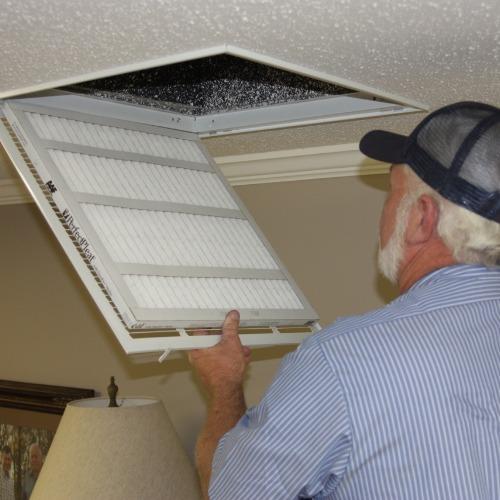
In Bethel Park neighborhoods, where there is a mix of older and newer homes, airtightness can vary widely. A home built decades ago with original windows will have completely different airflow demands than a modern, well-sealed build. The result of right-sizing is quieter operation, improved humidity control, and extended equipment life because components run within their optimal range instead of constantly starting and stopping.
Preventive Maintenance That Protects Performance
Seasonal tune-ups help maintain steady temperatures and control energy use by catching minor issues before they cascade into major breakdowns. A thorough maintenance visit typically includes inspecting burners or heat strips, testing safety controls, checking refrigerant levels and airflow, cleaning coils, verifying temperature differentials, and calibrating thermostats.
For example, a slightly dirty evaporator coil might only add a hint of strain at first, but over time it can force longer runtimes and uneven cooling, which creates noticeable hot-and-cold spots. In colder months, confirming that combustion is clean and venting properly enhances both safety and efficiency. Homeowners can support these professional efforts by changing filters on a regular schedule and keeping outdoor units free of debris, especially after the heavy leaf drops and spring pollen bursts common to the region.
Indoor Air Quality: Filtration, Humidity, and Fresh Air
True comfort is about more than just temperature. Balanced humidity, high-quality filtration, and measured ventilation directly affect how a home feels and support the well-being of its occupants. Media filters with deeper pleats capture significantly more particulates than standard panels while still allowing strong, healthy airflow when sized correctly.
In the winter, whole-home humidification can reduce dry air discomfort and static shock. In the summer, proper dehumidification helps the air feel cooler and crisper, even at a slightly higher thermostat setpoint. Homes that have recently undergone energy upgrades often benefit from mechanical ventilation to bring in controlled fresh air without sacrificing efficiency. For example, a family with allergy concerns might pair a high-efficiency filter with a ventilating system that actively dilutes indoor pollutants from cooking and cleaning. The outcome is steadier comfort, fewer odors, and less dust settling on surfaces, which also helps keep internal coils and ducts cleaner over time.
Ductwork Design, Sealing, and Zoning for Even Temperatures
Even the most advanced furnace or heat pump cannot perform well if air cannot travel freely throughout the house. Proper duct design must account for the static pressure the equipment can handle, minimizing sharp turns and undersized trunks that choke the system. Sealing joints with mastic and insulating ducts located in attics or crawl spaces prevent energy loss and condensation issues.
In two-story homes or layouts with long duct runs, zoning can direct air precisely where and when it is needed, reducing the traditional tug-of-war between upstairs and downstairs temperatures. As a practical example, a finished basement used as a home office might receive too little airflow from a single, centrally controlled system. Adding a dedicated zone or deploying a separate ducted mini-split air handler can provide consistent comfort to that office without over-cooling the rest of the house. Proper balancing at registers and returns fine-tunes the result so rooms stabilize quickly after each cycle.
Modern Controls and High-Efficiency Options That Adapt to the Seasons
Today’s controls and equipment can match output to real-time demand. Smart thermostats learn household schedules, geofencing features temper setbacks as residents come and go, and remote alerts help catch abnormal runtime patterns early. Variable-speed compressors and modulating gas valves smooth out temperature swings while trimming energy waste.
For homes considering electrification, cold-climate heat pumps are engineered to deliver dependable heat across a wide range of outdoor conditions, with auxiliary heat available for the most frigid snaps. Pairing a heat pump with a well-tuned duct system and a smart control strategy provides quiet, even comfort from the first spring bloom to the last winter freeze. In regional climates where shoulder seasons bring rapid day-to-night temperature shifts, equipment that ramps up gently instead of blasting on and off feels much more natural and keeps humidity in check. The takeaway is a system that adapts dynamically to the home, reducing wear while elevating daily comfort.
