Navigating Modern HVAC Industry Trends: Efficiency, Electrification, and Indoor Air Quality
High-Efficiency Equipment and Smarter Load Matching
Efficiency has moved beyond a single equipment rating to a holistic approach that matches capacity to real-world loads. Variable-speed compressors and electronically commutated motors help systems ramp up or down smoothly, limiting temperature swings and reducing wasted energy during mild weather.
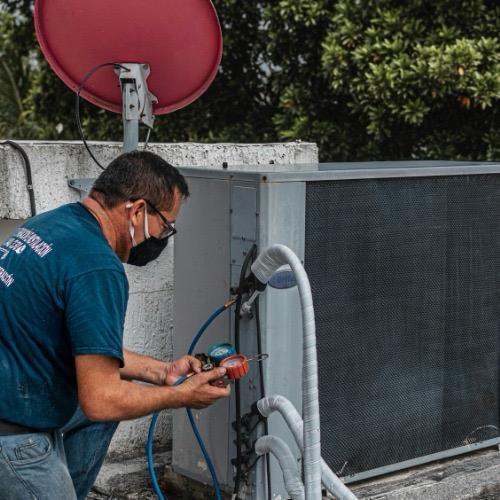
Paired with properly sized ductwork and well-sealed building envelopes, these systems avoid short cycling and enhance comfort in spaces that experience frequent occupancy changes, like mixed-use offices or open-concept homes. For example, a variable-speed heat pump serving a coastal residence can respond gently to shifting humidity and temperature, preventing overcooling and trimming unnecessary runtime. On the commercial side, incorporating demand-controlled ventilation with modulating fans allows outside air intake to rise and fall with actual occupancy, maintaining air quality without over-conditioning empty rooms. The result is quieter operation, longer equipment life, and steadier indoor conditions that occupants notice immediately.
Electrification and Heat Pump Adoption Across Climates
Electrification is reshaping system selection as heat pumps become a primary solution for space conditioning. Modern cold-climate models leverage enhanced vapor injection, advanced refrigerants, and optimized defrost strategies to provide reliable heating even when outdoor temperatures dip.
In mixed climates, dual-fuel configurations or staged resistance back-up can supply heat during brief cold snaps while retaining the efficiency benefits of a heat pump for most of the season. For coastal and humid regions, heat pumps with dedicated dehumidification modes can manage latent loads effectively, improving comfort at slightly higher thermostat settings. Multifamily buildings are increasingly turning to distributed, ducted or ductless heat pump solutions to reduce mechanical room footprints and simplify metering for individual units. Careful commissioning remains central: verifying charge, airflow, and controls ensures the expected comfort and efficiency gains actually materialize once occupants move in.
Indoor Air Quality, Filtration, and Humidity Control
Indoor air quality has moved to the forefront, with stakeholders insisting on solutions that balance clean air with sensible energy use. Right-sizing ventilation prevents stale air buildup without overtaxing equipment. Balanced ventilation strategies, such as energy recovery solutions, transfer heat and moisture between airstreams to moderate temperature swings while maintaining fresh airflow.
Filtration strategies are chosen to suit the application: higher-efficiency filters can capture fine particulates, while prefilters and proper filter racks help maintain airflow and limit bypass. In humid climates, maintaining relative humidity within a comfortable range curbs microbial growth and protects finishes; whole-building dehumidification or heat pump reheat modes can address latent loads when ventilation alone falls short. Practical examples include schools scheduling ventilation boosts before occupancy and after dismissal, and retail spaces deploying zoning to keep entry vestibules, display aisles, and storage areas within targeted humidity and temperature bands.
Controls, Connectivity, and Data-Driven Maintenance
Connected controls are delivering actionable insights that improve performance and protect investments. Smart thermostats and building management platforms can learn occupancy patterns, apply setback schedules, and coordinate multi-stage equipment for minimal energy waste. Sensor networks track temperature, humidity, and pressure drops across filters, alerting operators when something drifts out of range.
For a light commercial rooftop, a simple alert about rising condenser head pressure can prompt a coil cleaning before a heat wave, preventing downtime during peak demand. In larger facilities, trend data reveals chronic issues like uneven airflow or persistent short cycling that might be masked during routine checks. Remote access allows technicians to review logs, refine sequences, and guide on-site personnel to the right component, reducing truck rolls and accelerating repairs. Importantly, robust cybersecurity practices—network segmentation, regular firmware updates, and strong authentication—should accompany any connected deployment to safeguard building systems.
Design, Commissioning, and Lifecycle Stewardship
Successful HVAC outcomes begin with a thoughtful design process that treats the building as a system. Accurate load calculations, duct and diffuser layouts that respect architectural constraints, and equipment selections tuned to climate and use case set the stage for reliable performance. Commissioning verifies that design intent meets reality, checking airflow, refrigerant charge, safeties, and control sequences.
Clear documentation—equipment models, control setpoints, and maintenance schedules—helps future teams sustain performance, even when staff changes. Over the lifecycle, a preventive maintenance plan protects efficiency and comfort by tackling standard tasks such as coil cleaning, belt inspections where applicable, filter replacements, and drainline clearing. Facility managers can leverage seasonal checklists: before cooling season, confirm condenser cleanliness and calibrate sensors; before heating season, test defrost sequences and verify airflow. As buildings evolve—through tenant fit-outs or envelope upgrades—reassessing loads and rebalancing systems preserves comfort, avoids complaints, and extends equipment life.
The Evolving HVAC Industry: Efficiency, Electrification, and Smarter Comfort
High-Efficiency Equipment Is Redefining Performance
Advances in compressors, motors, and refrigerant management have elevated system performance far beyond legacy units, delivering quieter operation, steadier temperatures, and lower energy use in a wide range of climates. Variable-speed compressors and electronically commutated motors fine-tune output to match real-time demand instead of simply cycling on and off, which reduces wear and creates a more consistent indoor environment.
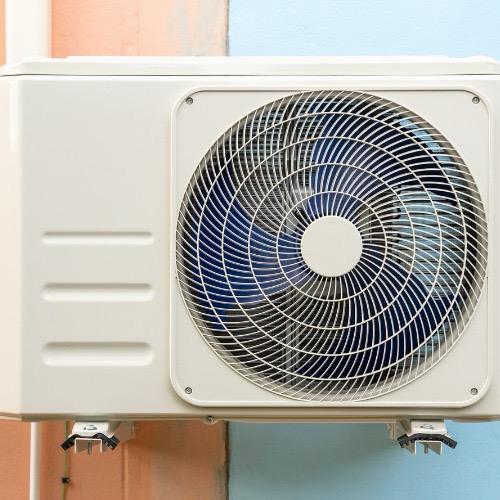
For example, in a coastal home where humidity spikes on summer afternoons, a variable-speed heat pump can slow down to extend dehumidification without overcooling the space, enhancing comfort while checking energy consumption. In light commercial buildings, rooftop units with smarter airflow control can adapt to changing occupancy and weather conditions, minimizing wasted runtime. The result is a noticeable upgrade in day-to-day comfort as well as a reduction in utility bills, provided systems are properly sized, commissioned, and maintained.
Crucially, right-sizing and duct design still matter; even the best equipment underperforms with restrictive ductwork or poor airflow. Engineers and contractors are placing renewed emphasis on load calculations, envelope interactions, and commissioning checklists so that superior hardware translates into real-world performance.
Electrification Is Expanding Options in Diverse Climates
Electrification continues to gain ground as advancements in heat pump technology broaden reliable heating and cooling across diverse regions, including areas with high humidity or frequent temperature swings. Modern cold-climate heat pumps can maintain comfort during chilly mornings while providing efficient cooling and moisture control in the afternoon, which is especially valuable in mixed-humid zones.
Multifamily projects increasingly pair central or distributed heat pumps with smart zoning to address uneven loads between units and exposures. In single-family homes, dual-fuel configurations remain a practical bridge in locations where electric rates, grid constraints, or extreme weather patterns influence operating costs or reliability; the system can call on a secondary heat source during brief peak conditions while keeping most annual heating electric. As utilities modernize grids and expand demand-response programs, electrified HVAC can participate in flexible load strategies, shifting or trimming operation during peak periods without sacrificing comfort. This alignment supports long-term sustainability goals while giving property owners more choices for meeting comfort needs without relying exclusively on combustion-based heat sources.
Indoor Air Quality Is Now a Core Design Pillar
Indoor air quality has moved from a niche add-on to a central design requirement for both new construction and retrofits. Balanced ventilation with energy recovery, right-sized filtration, and thoughtful humidity control work together to support health and comfort.
For example, a school may deploy a dedicated outdoor air system that tempers, filters, and dehumidifies ventilation air before it reaches classroom terminal units, reducing the risk of moisture problems and improving occupant comfort during high-traffic periods. In a single-family home near a marsh or river, a well-calibrated dehumidification strategy can prevent musty odors and protect finishes without overcooling. Filtration choices should consider particle size, fan capacity, and the impact on static pressure; higher efficiency filters are only beneficial when the system can maintain proper airflow.
Meanwhile, source control and maintenance matter: routine coil cleaning, condensate management, and verification of ventilation rates help ensure that design intentions hold up in real-world operation. By prioritizing ventilation, filtration, and humidity in equal measure, designers and facility managers create healthier interiors that also protect the building envelope.
Smart Controls Turn Data Into Day-to-Day Comfort
Controls have matured from basic thermostats to integrated platforms that coordinate equipment stages, airflow, zoning, and ventilation. Cloud-enabled systems, when paired with secure networking and responsible data practices, can provide actionable insights without overwhelming operators.
A restaurant with varying dinner rushes can use occupancy-based setpoints and demand-control ventilation to keep dining rooms comfortable while containing energy use during off-peak hours. Homeowners can benefit from geofencing and adaptive scheduling, which learn routines over time and reduce unnecessary runtime when spaces are unoccupied.
Importantly, smart controls are most effective when grounded in accurate sensors and clean installation practices: correct thermostat placement, calibrated humidity sensors, and verified damper operation are foundational. Trend logging helps technicians spot issues—such as short cycling or drifting discharge temperatures—before they become comfort complaints. Over time, this data-driven approach supports predictive maintenance strategies that reduce downtime and extend equipment life.
Workforce, Training, and Maintenance Anchor Long-Term Results
As equipment and controls become more sophisticated, the industry’s success increasingly depends on workforce development and disciplined maintenance. Technicians now navigate refrigerant transitions, evolving building codes, and deeper integration with electrical systems and building automation. Ongoing training—covering diagnostics, airflow verification, and commissioning—ensures that field teams can translate sophisticated designs into consistent performance.
For example, a maintenance plan that includes seasonal inspection, coil and drain care, airflow measurements, and control sequence verification can stabilize comfort and preserve efficiency across the life of the system. Building owners benefit from clear documentation, including equipment registers, filter sizes, and service histories, so that routine tasks are handled consistently even as teams change.
Collaboration across trades is equally important: HVAC performance depends on envelope integrity, electrical capacity, and plumbing for condensate management. When designers, builders, and service providers coordinate from planning through operation, the result is resilient comfort, predictable costs, and systems that deliver on the promise of modern HVAC.
