Energy-Smart HVAC Trends Shaping Comfortable, Reliable Homes
The Future of Residential HVAC
Homeowners expect comfort that is efficient, consistent, and easy to manage. That expectation is reshaping how residential HVAC systems are designed, installed, and maintained. From smarter controls to improved filtration and balanced airflow, today’s priorities focus on lowering energy use while keeping indoor environments healthy and dependable through every season. The following trends and practices can help households plan upgrades that deliver long-term value and day-to-day peace of mind.
Indoor Air Quality Takes Center Stage
Indoor air quality has evolved from a nice-to-have to a core performance metric. Systems that pair effective filtration with proper ventilation and balanced humidity tend to keep spaces more comfortable and reduce strain on equipment. Attention to duct integrity, filter sizing, and sealed returns helps maintain steady airflow, which supports both comfort and efficiency. Homeowners are also paying closer attention to source control—reducing contaminants at their origin—so the HVAC system doesn’t have to work as hard to keep air fresh.
Smart Thermostats and Zoning for Precision Comfort
Smarter controls let households tailor comfort to their routines. A well-chosen smart thermostat can learn patterns, adjust setpoints, and integrate with zoning to fine-tune temperature by area or time of day. Zoning, when properly designed, improves comfort in rooms that run hot or cold and can reduce wasted conditioning in rarely used spaces. The key is making sure sensors, dampers, and equipment sizing work together so the system doesn’t short cycle or struggle to meet demand.
Heat Pumps and Balanced Electrification
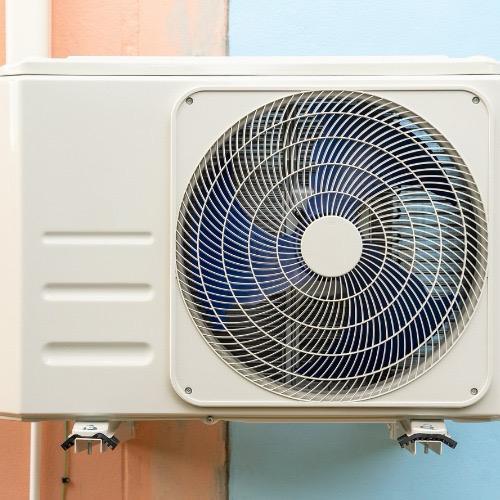
Modern heat pumps provide both heating and cooling in one system and are increasingly popular across a range of climates. The appeal lies in steady comfort and the ability to match capacity to actual load, which can support energy savings when paired with tight building envelopes and good controls. In colder regions or during extreme weather, hybrid configurations that include a supplemental heat source can provide a reliable, balanced approach. Proper sizing, line set considerations, and refrigerant management remain crucial to long-term performance.
Preventive Maintenance as a Strategy
Planned maintenance sustains efficiency, protects warranties, and helps prevent breakdowns during peak conditions. A consistent checklist approach keeps small issues from becoming costly repairs. Consider these essentials:
1) Replace or clean air filters on a regular schedule to preserve airflow and indoor air quality.
2) Inspect and clean coils to support heat transfer and reduce energy use.
3) Verify refrigerant charge and look for leaks to protect efficiency and equipment health.
4) Check electrical connections, capacitors, and safety controls to ensure reliable operation.
5) Confirm thermostat calibration and sensor placement for accurate temperature control.
6) Assess ductwork for leaks and insulation gaps that can undermine comfort.
7) Clear condensate drains and confirm proper slope to prevent water damage and microbial growth.
Right-Sizing and Load Calculations
Comfort depends on right-sizing as much as it does on equipment type. Oversized systems can short cycle, create temperature swings, and leave humidity unmanaged. Undersized systems may run constantly and still fail to meet setpoints. Thoughtful load calculations that account for insulation, windows, air leakage, orientation, and occupancy provide a foundation for sizing decisions. When paired with duct design that meets airflow requirements, right-sizing helps systems run quietly, efficiently, and reliably.
Choosing a Qualified HVAC Partner
The most advanced equipment can underperform if installed or serviced without attention to detail. Look for professionals who evaluate the building as a system, explain options clearly, and stand behind their work. Transparent recommendations on filtration, ventilation, and controls—along with practical maintenance guidance—often signal a service mindset focused on long-term outcomes rather than quick fixes.
Putting It All Together
A comfortable, efficient home is the product of well-matched equipment, smart controls, clean airflow, and steady upkeep. By prioritizing air quality, right-sizing, zoning where it makes sense, and a preventive maintenance routine, homeowners can achieve reliable comfort while managing energy use. Thoughtful planning today sets the stage for systems that perform smoothly season after season.
The Future of Home Comfort: Key HVAC Trends Homeowners Should Watch
Home HVAC Industry Outlook for Residential Comfort
The HVAC industry continues to evolve with technologies and practices that prioritize comfort, energy responsibility, and healthier indoor environments. Homeowners are seeing smarter controls, improved system design, and service approaches that reduce surprises and extend equipment life. Understanding the direction of these changes helps households plan upgrades that fit real-world needs while keeping daily comfort steady across the seasons.
Smarter, More Connected Systems
Connected thermostats and integrated controls are now standard features rather than add-ons. Homeowners benefit from intuitive interfaces, remote access, and insights that help avoid common issues, such as uneven temperatures or short cycling. Systems that communicate across components can optimize run times and airflow, which supports stable comfort and reduces undue wear. Importantly, smart controls also assist service professionals during tune-ups by providing clear system data.
Focus on Indoor Air Quality
Indoor air quality has moved from a niche concern to a central pillar of residential comfort. Better filtration, humidity management, and ventilation strategies are increasingly part of whole-home solutions. When properly sized and maintained, these enhancements help reduce irritants and balance moisture, supporting both comfort and the long-term condition of the home. Homeowners should prioritize filters that match their systems and schedule routine checks to keep air moving freely.
Electrification and Efficiency
Many households are exploring equipment that aligns with evolving efficiency goals. Heat pump technology, for instance, continues to gain ground for its versatility and year-round application. Right-sizing, proper duct design, and verified airflow are essential to achieving the comfort and efficiency that modern equipment can deliver. Beyond the equipment itself, sealing and insulating the building envelope often amplifies performance by reducing the load placed on the system.
Preventive Maintenance Culture
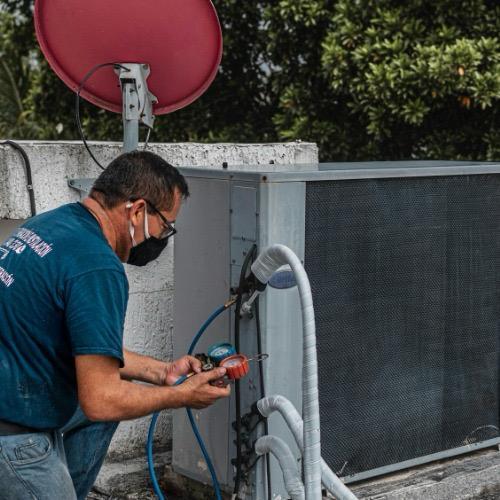
A shift toward proactive care is reshaping expectations around reliability. Seasonal tune-ups, keep-it-clean practices, and professional inspections can catch small issues before they affect comfort. Attention to coils, condensate lines, blower assemblies, and electrical connections helps maintain efficiency and reduces unexpected downtime. Consistent maintenance also provides a clear service history, which supports better decisions when the time comes to repair or replace.
Workforce and Customer Experience
The service experience increasingly emphasizes clear communication, upfront recommendations, and follow-through. Technicians rely on training, diagnostic tools, and documented best practices to deliver consistent outcomes. For homeowners, this translates into transparent options and tailored advice grounded in the actual condition of the home and equipment. Well-structured visits help minimize disruptions and ensure the work aligns with both comfort goals and budget priorities.
Practical Steps for Today’s Homeowners
Making sense of industry progress is easier when translated into daily actions. The following steps help homeowners benefit from current trends while protecting long-term comfort and system health.
1. Schedule routine tune-ups before peak seasons to verify airflow, calibrate controls, and confirm safe operation.
2. Upgrade thermostats to connected models that support zoning or detailed scheduling for targeted comfort.
3. Match filters to the system’s specifications and replace them on a regular cadence to maintain proper airflow.
4. Consider system right-sizing and duct improvements during any major upgrade to lock in performance gains.
5. Address humidity with whole-home strategies that balance comfort, protect finishes, and support air quality.
6. Review ventilation options, including fresh-air solutions, to dilute indoor pollutants and support consistent comfort.
7. Keep outdoor units clear of debris and vegetation to ensure adequate airflow and reduce strain on components.
8. Document service visits and recommendations to inform future decisions and avoid repeated issues.
Looking Ahead
Residential HVAC will continue trending toward integrated solutions that coordinate comfort, efficiency, and health. Success depends on thoughtful design, quality installation, and regular care. Homeowners who align upgrades with a whole-home perspective often experience steadier temperatures, quieter operation, and predictable, long-term performance. By leaning into preventive practices and smart controls, households can enjoy a more comfortable home while positioning their systems to handle whatever the next season brings.
