Smarter Comfort and Clean Water: Trends Shaping Today’s HVAC and Plumbing Landscape
The Evolving HVAC and Plumbing Industry
Homeowners and facility managers are rethinking comfort and water management as technology, efficiency goals, and reliability standards take center stage. Across heating, cooling, and plumbing, the conversation has shifted from simple repair and replace to long-term performance, healthier living spaces, and proactive care. The industry’s direction is clear: systems should work together seamlessly, use fewer resources, and keep people safe and comfortable year-round.
Energy Efficiency Becomes the Baseline
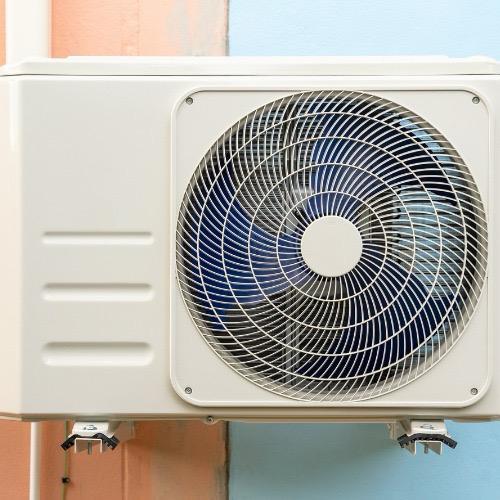
Energy-efficient heating and cooling equipment has moved from nice-to-have to expected. Variable-speed compressors, advanced heat pump designs, and tighter building envelopes help reduce energy consumption and deliver steadier temperatures. Ductwork sealing and right-sized equipment can prevent common issues like short cycling and uneven rooms. Even simple steps—clean filters, clear condensate lines, and properly calibrated thermostats—contribute to better performance and fewer surprises.
Indoor Air Quality Takes Priority
Indoor air quality is no longer an afterthought. Ventilation strategies that balance fresh air intake with filtration improve everyday living, especially in tightly sealed homes. Multi-stage filtration, properly sized MERV-rated filters, and whole-home air purifiers can capture particulate matter while humidity control keeps mold and dust mites in check. Maintenance matters here, too: clogged filters and neglected coils undermine air quality and efficiency alike.
Connected Controls and Predictive Care
Smart thermostats, leak detectors, and connected monitors allow users to view system performance in real time and receive alerts before a small concern becomes a major repair. Remote diagnostics can guide quick fixes or targeted service visits, reducing downtime and guesswork. When paired with routine inspections, connected tech supports predictive maintenance that extends equipment lifespan and improves reliability without excessive intervention.
Water Conservation and Plumbing Modernization
On the plumbing side, reducing waste and protecting property are critical goals. Pressure-balancing valves, efficient fixtures, and smart leak sensors help conserve water and catch problems early. Tank and tankless water heaters alike benefit from regular flushing to manage sediment and maintain output. Drain health also matters: proper slope, venting, and grease management prevent clogs and backups, limiting disruption and potential property damage.
Customer Experience and Transparent Planning
Clear communication and proactive planning help homeowners set priorities, from deciding between repair and replacement to mapping out seasonal maintenance. Written maintenance schedules, system documentation, and photo reports create accountability. Transparent options and education empower informed choices that match budgets and long-term goals, turning rushed emergencies into manageable action plans.
Practical Steps to Improve Comfort and Reliability
1) Schedule seasonal HVAC tune-ups to verify refrigerant charge, airflow, electrical connections, and safety controls before peak demand.
2) Replace or clean air filters regularly to preserve airflow, stabilize temperatures, and reduce strain on motors and compressors.
3) Inspect and seal ductwork to prevent conditioned air loss, improve room-to-room balance, and reduce energy use.
4) Flush water heaters to manage sediment buildup, stabilize temperature delivery, and support expected equipment life.
5) Install smart leak detectors near water heaters, under sinks, and around laundry areas to catch hidden drips before they escalate.
6) Test sump pumps and check discharge lines to confirm they operate correctly during heavy rain or rapid snowmelt.
7) Calibrate thermostats and confirm sensor placement away from drafts, sunlight, or heat sources to ensure accurate readings.
8) Add drain screens and practice proper disposal to keep lines clear and reduce the risk of blockages and odors.
Looking Ahead: Integrated Systems and Lasting Value
The most durable gains come from integration—pairing efficient HVAC equipment with balanced ventilation, humidity control, and sealed ducts, while modern plumbing practices protect water quality and property. Smart devices complement, rather than replace, routine inspections and skilled hands. With a plan that emphasizes maintenance, monitoring, and measured upgrades, homes and buildings can achieve dependable comfort, healthier air, and responsible water use. The result is a resilient environment that stands up to seasonal extremes while keeping energy and repair surprises in check.
The Future of HVAC and Plumbing: Efficiency, Resilience, and Comfort
The Evolving Landscape of HVAC and Plumbing
As homes and buildings evolve, so do the expectations placed on comfort, health, and resource stewardship. Across the country, the HVAC and plumbing industry is reshaping how systems are designed, installed, and maintained. The focus is shifting toward smarter controls, cleaner indoor air, tighter building envelopes, and water-wise solutions that perform reliably in real-world conditions. At the heart of this transformation is a commitment to practical innovation that makes everyday living safer, simpler, and more efficient for property owners and occupants.
Smarter Homes, Smarter Systems
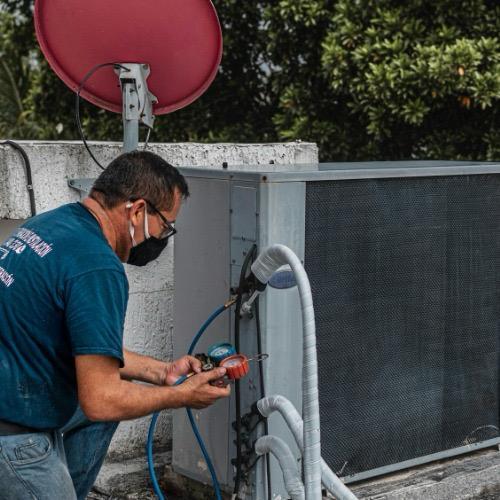
Connected devices have moved from novelty to necessity, enabling faster diagnostics, remote adjustments, and proactive maintenance. Smart thermostats coordinate with variable-speed equipment to reduce temperature swings and energy waste. Leak detection sensors alert owners at the first sign of moisture, helping prevent costly damage. System data, when used responsibly, empowers technicians to pinpoint issues and verify performance after service. The result is a tighter link between usage patterns and system response, benefiting comfort and durability across seasons. This wave of integration is where many owners first notice the advantages of modern HVAC and plumbing.
Energy Efficiency and Sustainability
Efficiency upgrades are no longer optional add-ons; they are core to long-term system planning. High-efficiency heat pumps provide dependable heating and cooling with fewer emissions, while properly sized equipment and sealed ductwork reduce unnecessary load. On the plumbing side, right-sized piping, pressure-balancing solutions, and energy-smart water heaters help maintain comfort without overconsumption. Attention to building envelope improvements—insulation, air sealing, and window performance—amplifies these gains. When each component is aligned, the entire system runs more smoothly, using less energy to deliver the same or better results.
Indoor Air Quality Takes Center Stage
Comfort is more than temperature. Homeowners are increasingly aware of ventilation rates, filtration levels, and contaminants that can impact wellness. Balanced ventilation strategies bring in fresh air while controlling humidity, and advanced filtration helps reduce particulate matter. Ultraviolet and other air-cleaning enhancements may play a role in targeted applications when paired with proper airflow and maintenance. The key is a holistic approach that considers the building, occupants, and climate, rather than bolt-on solutions that ignore underlying issues.
Water Heating and Conservation Advances
Hot water should be reliable, efficient, and available when needed. Modern water heaters—whether storage or on-demand—are designed for consistent performance when properly selected and installed. Recirculation strategies can cut wait times while conserving water, and fixture choices help balance comfort with responsible usage. Leak prevention is equally essential: smart shutoff valves, supply line upgrades, and periodic inspections can catch small issues before they escalate. These practical steps support everyday convenience and long-term peace of mind.
Workforce and Compliance Considerations
A strong technical foundation is critical as codes evolve and equipment becomes more sophisticated. Training, certification, and adherence to local requirements ensure that installations meet safety and performance standards. Clear documentation and transparent communication build trust, while planned maintenance keeps warranties intact and systems operating as designed. Skilled professionals connect product capabilities to real-world needs, ensuring owners get the outcomes they expect.
A Practical Owner’s Checklist
1. Evaluate system sizing to match actual building load and avoid inefficient short cycling.
2. Seal and balance ductwork to improve airflow, reduce noise, and boost overall efficiency.
3. Upgrade controls with smart thermostats and sensors for better comfort and oversight.
4. Improve filtration and verify ventilation rates to support healthier indoor air.
5. Prioritize water heater selection and recirculation options that fit usage patterns.
6. Install leak detection and shutoff solutions in risk-prone areas like kitchens and laundry rooms.
7. Schedule routine maintenance to verify performance, extend equipment life, and catch issues early.
8. Document equipment models, filter sizes, and service intervals for quick reference.
Whether planning a retrofit or designing new construction, a whole-home perspective pays dividends. Aligning equipment, controls, airflow, and water delivery around actual needs leads to steady comfort, responsible resource use, and dependable operation. With thoughtful choices today, owners can set the stage for systems that perform smoothly, season after season—delivering the everyday reliability that modern living demands.
