Precision HVAC Practices for Hot, Humid Climates: A Field Guide for Reliable Comfort and Efficiency
Accurate Load Calculations and Right-Sized Equipment
Oversized or undersized equipment can undermine comfort and efficiency from day one, especially in climates where muggy summers dominate the calendar. Proper design begins with room-by-room load calculations that account for square footage, insulation levels, window orientation, infiltration, and internal heat gains from lighting and appliances. Rather than relying on rules of thumb, careful modeling helps determine the right capacity and airflow requirements for each zone.
For example, a shaded, brick-walled bungalow with upgraded attic insulation will have a very different sensible and latent load than a top-floor condo with a west-facing window wall. In practice, right-sized systems run longer, steadier cycles, improving dehumidification while minimizing temperature swings. This matters significantly in AC installation projects in Memphis, where moisture control is critical to comfort and building durability. Matching equipment to the actual load also prevents short cycling, which can increase wear on compressors and drive up energy use without improving outcomes.
Duct Design, Tightness, and Airflow Balancing
Even premium equipment cannot overcome poor ductwork. Effective design starts with friction-rate calculations, proper trunk-and-branch layouts, and smooth transitions that reduce turbulence. Ducts should be sealed at seams, takeoffs, and boots with mastic or UL-listed tape, then pressure-tested to verify leakage stays low. Undersized returns are a common bottleneck; insufficient return pathways starve the blower, raise static pressure, and reduce delivered airflow.
In humid markets, leaky return ducts in hot attics can draw in moisture-laden air and force the system to work harder just to stay even. Supply registers must be sized and located to promote mixing without drafts—think high-wall placements in rooms with tall ceilings or carefully directed floor supplies in older homes. After installation, technicians should measure total external static pressure and verify target CFM (cubic feet per minute) at each register, then balance dampers so every room receives the airflow it was designed for. A well-balanced system reduces noise, mitigates hot and cold spots, and supports proper coil temperature for better moisture removal.
Moisture Management and Ventilation Strategy
Thermal comfort in humid climates is as much about moisture as temperature. A system that excels at latent removal (extracting water vapor) will help limit indoor relative humidity and protect finishes, furniture, and building assemblies from prolonged dampness. Strategies include ensuring adequate coil contact time through correct sizing, employing variable-speed blowers that adapt airflow to load, and setting blower off-delays thoughtfully to avoid re-evaporating moisture from wet coils back into the house.
Where homes are tight or have specific indoor air quality concerns, balanced ventilation with energy or heat recovery can maintain healthy air exchange without imposing excessive latent loads. In kitchens and baths, spot exhaust must be ducted to the outdoors and sized to quickly clear steam and odors. Consider a scenario with a busy household cooking nightly: without robust spot exhaust and a tuned HVAC system, humidity can creep upward each evening, stressing the cooling coil and prompting frequent thermostat adjustments. With a coordinated approach—sealed ducts, measured airflow, and ventilation that suits occupancy—indoor humidity stays stable and comfort feels effortless.
Refrigerant Circuit Integrity and Startup Commissioning
Proper refrigerant charge and clean airflow are foundational to both performance and equipment longevity. On startup, technicians should confirm line set sizing and routing, evacuate the system to a deep vacuum, and verify that micron levels hold before releasing refrigerant. A weighed-in charge or manufacturer-approved charging method ensures the coil reaches design temperatures and pressures.
Dirty filters, crushed flex ducts, or clogged evaporator fins can easily mimic charge issues, so confirming target airflow first prevents misdiagnosis. Commissioning should also include superheat and subcooling checks, thermostat calibration, condensate management verification, and safety control testing. For example, a newly installed system serving a mixed-use space with frequent door openings may show fluctuating pressures until airflow and load stabilize; documenting these dynamics during commissioning builds a performance baseline that helps future technicians diagnose issues quickly. Attention to these details is especially important in dense neighborhoods where attic runs are long and ambient conditions swing rapidly over the course of a day.
Controls, Zoning, and Long-Term Performance Verification
Advanced controls and zoning can transform the occupant experience while smoothing runtime and energy profiles. In multi-level buildings or additions with varying sun exposures, zoning allows each area to receive tailored airflow without forcing the entire system to cater to a single thermostat’s demands. When paired with variable-capacity equipment and smart thermostats, zoning dampers modulate to maintain setpoints gently, keeping coil temperatures highly conducive to moisture removal.
Long-term performance depends on disciplined maintenance: coil cleaning, drain line treatment, filter changes based on measured pressure drop rather than fixed calendars, and periodic duct inspections. Data logging—such as supply/return temperature splits, static pressure trends, and humidity levels—provides early warnings of system drift from design conditions. Consider an older home that recently added insulation and air sealing; post-upgrade verification might reveal the original blower speed now over-delivers CFM, reducing latent performance. A quick fan-tuning restores perfect balance. Through thoughtful controls and continuous verification, systems deliver steady comfort season after season, even when outdoor conditions push the envelope.
Rapid-Response HVAC Practices: What Memphis Homeowners and Facility Managers Should Know
Common Triggers Behind Emergency Cooling Breakdowns
In the hottest months, air conditioners run long cycles that expose weak links in the system. Dirty coils force the compressor to work harder than designed, shortening its life. Clogged filters restrict airflow, causing evaporator coils to freeze, which can lead to water spills around the air handler and diminished cooling. Failing capacitors and contactors—small but critical electrical components—often give out under sustained demand, resulting in sudden no-cool calls. Low refrigerant due to leaks is another frequent culprit; without proper charge levels, heat transfer stalls and indoor temperatures climb quickly.
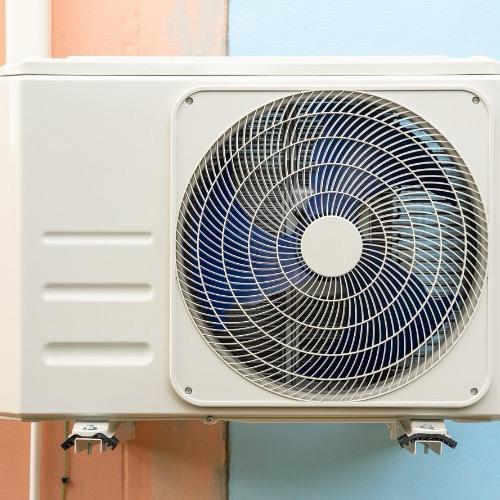
In older homes, aging ductwork leaks conditioned air into attics or crawlspaces, making the system appear underpowered. During summer storms, quick voltage fluctuations can trip breakers or scorch terminals. Consider a common example: a retail shop loses cooling late afternoon after a power blink. The condenser fan spins, but the compressor won’t start—a classic capacitor failure that a skilled technician can diagnose and replace on the spot. Understanding these triggers helps prioritize preventive steps and speeds up repair decisions when minutes matter.
The Emergency Service Call: What Pros Diagnose First
A seasoned technician approaches urgent cooling calls with a triage mindset. Safety checks come first: verifying disconnects, confirming correct breaker settings, and ensuring no hazardous electrical faults or major refrigerant leaks are present. Next comes airflow—filter condition, blower operation, and duct static pressure if access allows.
Electrical diagnostics typically follow, where technicians inspect contactors for pitting and use a meter to test capacitors.
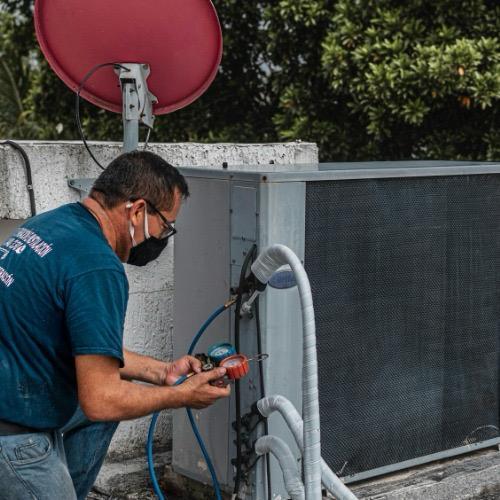
They confirm voltage and amperage at the compressor and fan motors to ensure everything matches manufacturer safety thresholds. Refrigerant evaluation is then performed with gauges and temperature readings to determine superheat and subcooling targets per system design. Outside, a quick wash of the condenser coil can restore performance if debris is choking heat rejection. Indoors, technicians assess the condensate drain for clogs that trigger float switches and shut the system down.
Communication is key during this process. Clear explanations of findings—such as a weak capacitor or a clogged drain—empower informed approvals so parts can be replaced promptly. When the stakes are high and indoor conditions are uncomfortable, emergency AC repair professionals in Memphis move methodically to pinpoint the failure with minimal downtime.
Practical Steps to Reduce the Odds of an Urgent Breakdown
Not every outage is avoidable, but many are preventable with routine care. Start with high-quality filters changed on a consistent schedule to protect coils and maintain airflow. Keep outdoor units clear of leaves, grass clippings, and cottonwood fluff; a gentle coil rinse at the beginning of the season can make a dramatic difference. Ensure the thermostat is level (if applicable) and not influenced by heat sources like lamps or direct sunlight.
Consider installing surge protection to shield sensitive components from voltage spikes common during storms. Have the condensate drain line flushed to prevent water backups that trigger emergency shutdowns. If the system routinely struggles to reach setpoint on peak days, a professional load assessment can uncover undersized ducts or air leakage that forces equipment to run excessively. For small businesses, a simple checklist—filter dates, condenser clearance, and drain line status—posted near the air handler reduces the chance that routine items get overlooked. These habits add up to steadier comfort and fewer urgent calls.
When to Repair and When to Plan for Replacement
Deciding between a targeted fix and a larger investment depends on equipment age, repair frequency, refrigerant type, and the condition of major components. If a unit has a minor issue—say, a failed capacitor or a clogged condensate line—a repair is typically the sensible path. However, repeated compressor hard-start symptoms, chronic low refrigerant indicating a hidden leak, or severe corrosion on coils can signal bigger problems ahead.
Compatibility matters too; older systems using legacy refrigerants may face higher long-term service complexity. Weigh energy performance and comfort: even when a repair restores cooling, duct design flaws or airflow imbalances can keep utility bills higher than necessary. A practical example: a church fellowship hall replaces a repeatedly failing blower motor only to discover undersized return ducts were starving the system; correcting the ductwork stabilized performance and ended the cycle of emergency calls. A thoughtful consultation can outline staged solutions, from immediate fixes to future upgrades that improve reliability and comfort.
Preparing Your Space for Fast, Effective Service
Simple preparation speeds up on-site work and helps technicians restore cooling faster. Clear a path to the air handler, furnace closet, or attic access, and move items away from the outdoor condenser so panels can be removed safely. Have filter sizes handy and note any recent changes in sounds, smells, or performance; small clues often point to the fault. If the system tripped a breaker, leave it off and mention when it happened—timelines help trace intermittent issues.
In commercial settings, designate a contact who can approve repairs quickly and share building access details. On sultry evenings, set expectations with occupants: close blinds, reduce heat-generating appliances, and use fans to circulate air while the system is down. After service is complete, ask for maintenance recommendations tailored to the building’s usage patterns, such as seasonal coil cleaning or drain treatments. These steps transform a stressful outage into a controlled, efficient process and reduce the risk of repeat emergencies during the next heat wave.
