|
The Cleaning Industry’s Practical Guide to Safer, Healthier Facilities
Smarter Commercial Cleaning Strategies That Work
Understanding Modern Facility Needs
Facilities today face mixed traffic patterns, shifting occupancy, and heightened expectations for cleanliness. The cleaning industry has responded with tailored plans that match real usage rather than one-size-fits-all routines. By focusing on high-touch surfaces, airflow considerations, and scheduled deep-clean intervals, teams can maintain consistent results without unnecessary disruption to operations. A thoughtful plan starts with a walkthrough, risk assessment, and clear priorities for each zone, from lobbies and corridors to restrooms and break areas.
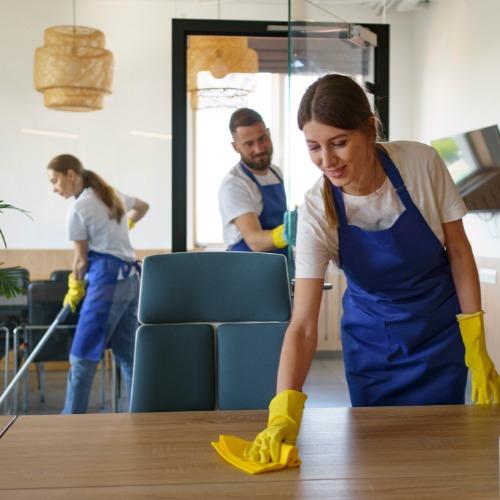
Eco-Conscious Products and Practices
Sustainable cleaning isn’t just a trend; it’s a practical path to healthier indoor environments. Many teams now choose low-residue, low-fragrance, and third-party-reviewed products that balance efficacy with environmental impact. Concentrates and portion-control systems help reduce waste and prevent overuse, while microfiber technology lifts soil with fewer chemicals. Proper dilution, cold-water compatible chemistry, and reusable tools round out a program that respects both people and the planet, without sacrificing performance.
Training and Quality Control
Well-trained teams are the backbone of consistent outcomes. Clear standard operating procedures, checklists, and equipment care routines minimize variation and prevent cross-contamination. Supervisors can reinforce best practices through regular refreshers, inspections, and coaching. Quality control works best when it is collaborative: feedback loops between frontline staff and management turn observations into improvements. This approach keeps small issues from becoming big problems and maintains a dependable level of cleanliness day after day.
Health and Safety Priorities
Safe cleaning protects both occupants and workers. Appropriate personal protective equipment, correct chemical handling, and labeled storage are essential. Ventilation awareness matters, too; some tasks go more smoothly with better airflow or after-hours scheduling. Ergonomic tools and methods help reduce strain during repetitive motion, and color-coding limits the chance of mixing restroom tools with food-service or office supplies. Clearly posted safety data sheets ensure quick reference if questions arise during a shift.
Measuring Results Without the Hype
Reliable measurement keeps programs grounded in reality. Instead of relying on flashy claims, teams can track outcomes with simple, consistent checks. Visual inspections, touchpoint logs, and soil load notes reveal patterns that guide improvements. When needed, objective testing tools can validate sanitation steps for critical areas. The aim is to verify that the plan works as intended and to adjust methods before issues spread.
A Practical Framework for Everyday Excellence
-
Define zones and priorities: Identify high-risk and high-visibility areas, and align resources with actual use.
-
Standardize methods: Use written procedures for dusting, disinfecting, floor care, and waste handling to create repeatable results.
-
Right-size chemistry: Choose products that match the soil type and surface, follow label directions, and avoid unnecessary duplication.
-
Equip for efficiency: Microfiber, properly maintained vacuums with adequate filtration, and well-organized carts reduce time and rework.
-
Schedule smartly: Plan detail tasks and deep cleaning around occupancy and seasonality to maintain a steady baseline.
-
Train and retrain: Build skills with hands-on demos, reinforce them regularly, and recognize strong performance.
-
Inspect and improve: Use checklists, spot audits, and feedback to fix gaps quickly and fine-tune the routine.
Future-Ready Floor Care
Flooring often sets the tone for a space. Durable finishes, periodic machine scrubbing, and targeted spot treatments keep surfaces looking their best. Entryway matting reduces soil tracked indoors, protecting both the floors and the indoor air. For hard floors, selecting the correct pads and speeds prevents swirl marks and premature wear. For soft surfaces, a combo of routine vacuuming and scheduled extraction preserves appearance while extending usable life.
Communication That Builds Trust
Clear communication is the thread that ties everything together. When a plan explains what gets cleaned, how often, and why, occupants are more confident in the environment. Service logs at key areas, quick responses to concerns, and transparent updates after deep-clean cycles all contribute to trust. A steady, well-documented program—grounded in training, safety, and sustainability—delivers clean spaces people can see and feel, day after day.
The Evolving Landscape of Professional Cleaning: Health, Safety, and Sustainability
Cleaning Industry Outlook: Healthier Spaces, Smarter Methods
As workplaces, schools, and residences reset expectations for cleanliness, the cleaning industry is embracing a more holistic approach. The focus has shifted from surface-level appearances to occupant health, durability of materials, and verifiable outcomes. Clients want consistent quality, safe chemistry, and transparent processes that respect budgets and the environment. In response, providers are refining training, adopting better tools, and coordinating closely with facilities teams to align cleaning programs with real-world use patterns.
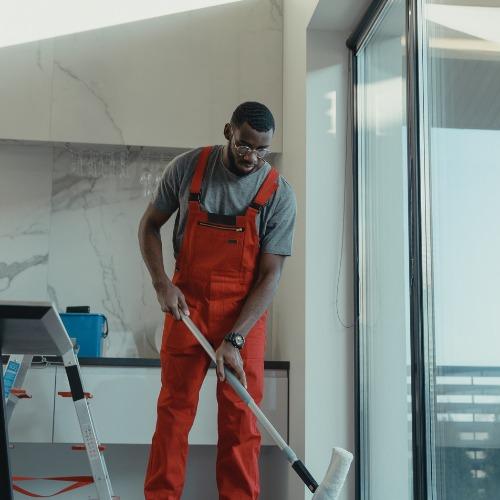
What Clients Expect Today
Modern clients look for solutions that support healthier indoor environments without disrupting daily operations. Predictable scheduling, clear scopes, and documented results build confidence. Equally important is the responsible use of products—minimizing residues, reducing strong odors, and prioritizing safer options for people and pets. In this context, ECO-FRIENDLY CLEANING is more than a buzzword; it’s a practical framework for choosing methods and materials that reduce unnecessary exposure while still delivering a thorough clean.
Materials and Methods That Raise the Bar
The right products and tools make a measurable difference. Microfiber systems, color-coding to avoid cross-contamination, and pH-appropriate solutions protect finishes and improve outcomes. Dwell time, agitation, and dilution control are fundamentals that prevent rework and material damage. Ventilation considerations also matter; coordinating cleaning with building airflow and curing times helps maintain indoor air quality. When appropriate, eco-friendly cleaning strategies reduce waste and encourage closed-loop practices, such as reusable textiles maintained under clear laundering protocols.
Core Best Practices to Guide Consistent Results
-
Map spaces by use and risk level to set realistic cleaning frequencies and target high-touch zones without over-servicing low-traffic areas.
-
Standardize tools and procedures so every technician follows the same steps, reducing variability and elevating quality across shifts.
-
Verify results with visual inspections, ATP swabs where specified by the client, or simple checklists that confirm completion and note exceptions.
-
Choose safer, effective chemistry matched to surfaces, and train staff on dilution, dwell time, and disposal to prevent residues and damage.
-
Protect health with proper PPE, labeled containers, and secure storage, reinforcing a safety-first culture on every job.
-
Coordinate with facility managers about access, special events, or renovation schedules to avoid conflicts and protect sensitive materials.
-
Document action plans for spills and incidents, ensuring calm, consistent responses that limit downtime and liability.
Training and Quality Assurance
Skilled teams deliver consistent outcomes. Practical, hands-on training beats slide decks every time, especially when it covers real surfaces in real settings. Technicians need to know the why as much as the how—understanding soil types, the science of cleaning, and safe handling. Supervisors can coach in the moment, using checklists and brief huddles to reinforce standards. Quality assurance should be collaborative, with feedback loops that turn observations into improvements. This creates a culture where issues are flagged early and solved quickly.
Technology Without the Hype
Tools that streamline work—like dosing aids, ergonomic equipment, and quiet machines—help teams perform better and reduce fatigue. Simple digital logs or photos can document completion and exceptions without adding friction. The goal is to support people, not burden them. Select technology that is easy to learn, serviceable, and appropriate for the site. When tech augments fundamentals rather than replacing them, results tend to be more reliable.
Communicating Value Clearly
Clarity builds trust. Set expectations up front, define what is included, and explain the rationale behind schedules and methods. Share simple care guides so occupants help maintain results between visits. When adjustments are needed, explain the tradeoffs and collaborate on solutions. This kind of transparency turns cleaning from a commodity into a partnership—and that’s where long-term value lives.
|
