Smart Strategies for Reliable Home Appliance Repair and Maintenance
The appliance repair industry plays a vital role in keeping households running smoothly. As homes rely on an expanding mix of refrigerators, ranges, washers, dryers, dishwashers, and ventilation systems, the demand for dependable service grows. Customers want swift diagnostics, transparent communication, and repair options that balance cost, safety, and long-term performance. Behind the scenes, successful repair technicians combine technical expertise with excellent customer service, ensuring appliances remain efficient and safe.
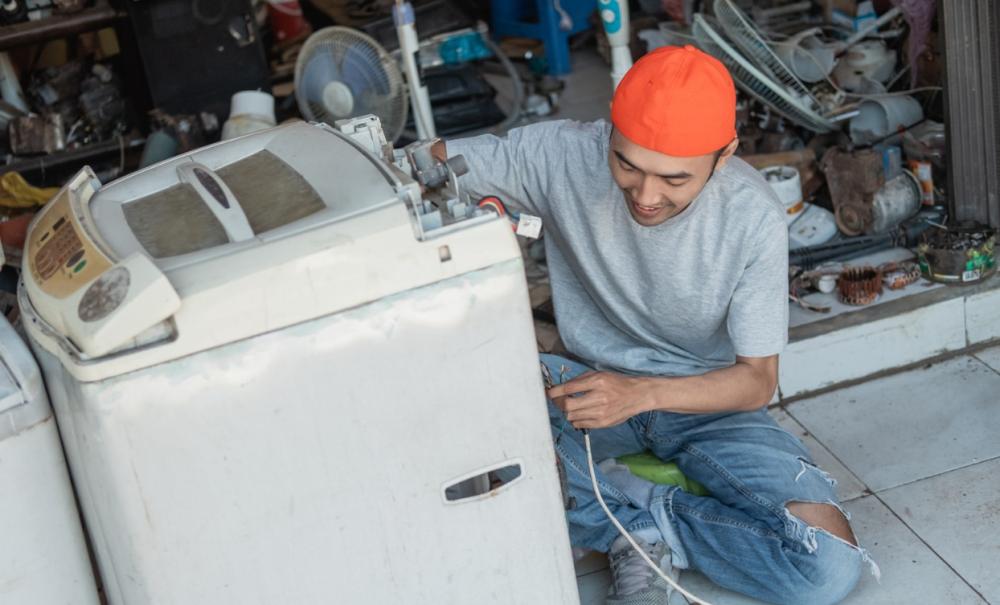
The State of the Appliance Repair Industry
Modern appliances blend mechanical components with advanced electronics, sensors, and software. This convergence raises the bar for troubleshooting, parts sourcing, and warranty coordination. Technicians must identify whether a symptom stems from a worn mechanical part, a control board fault, a sensor calibration issue, or a power supply irregularity. Clear explanations help customers decide between repair and replacement based on age, condition, and availability of parts.
What Homeowners Expect Today
Customers value reliability and clarity. From the first call to the final test cycle, timely updates, accurate arrival windows, and straightforward estimates set the tone. Many households prefer repairs that extend appliance life and reduce waste, provided that safety and performance are not compromised. Detailed post-service guidance empowers users to prevent repeat issues and get the best efficiency from their machines.
Common Causes of Breakdowns
Appliance failures often trace back to a few familiar culprits. Clogged filters, obstructed vents, and mineral buildup strain motors and heating elements. Door gaskets can lose their seal, driving up energy use and reducing cooling or drying efficiency. Control panels and sensors are vulnerable to moisture, heat, and power fluctuations. Overloading laundry machines, neglecting refrigerator coil cleaning, or running dishwashers with improper detergents adds avoidable wear and tear.
Preventive Maintenance Essentials
Simple routines help preserve performance. Clean dryer vents regularly to prevent overheating and improve airflow. Vacuum refrigerator condenser coils to maintain steady temperatures. Inspect door seals for cracks or gaps that allow air leaks. Use the correct detergents and follow capacity guidelines for washers and dishwashers. Confirm that appliances are level and properly ventilated to avoid excessive vibration and heat buildup. These small actions trim energy use and reduce the likelihood of major repairs.
When Professional Service Matters
Certain issues call for trained, safety-conscious professionals. Electrical faults, sealed system concerns in refrigeration, gas line connections for ranges, and high-voltage components in microwaves and dryers require specialized tools and procedures. Pros can test components accurately, source compatible parts, and verify that repairs meet safety standards. They also recalibrate sensors, run diagnostic modes, and document findings so customers understand the root cause and the corrective steps taken.
How to Choose a Trusted Technician
Selecting the right service partner can make all the difference. Use the following checklist to evaluate your options:
1. Credentials and scope: Confirm training on your appliance brand and category, and ask about experience with the specific symptom you’re seeing.
2. Clear communication: Look for explanations that outline likely causes, repair paths, and any limitations related to parts or age.
3. Transparent estimates: Expect itemized pricing that differentiates diagnostics, labor, and parts, along with warranty terms on both.
4. Safety-first approach: Prioritize providers who follow proper electrical, gas, and refrigeration protocols and who test thoroughly before leaving.
5. Parts availability: Inquire about timelines and whether genuine or high-quality compatible parts are used.
6. Aftercare guidance: Favor technicians who offer practical maintenance tips tailored to your appliance and usage.
7. Responsiveness: Consider scheduling flexibility, on-time arrivals, and follow-up support if questions arise.
Sustainable Practices and Long-Term Value
Thoughtful repair decisions can reduce waste and keep appliances in service longer. Combining expert diagnostics with preventive care helps homeowners avoid repeat breakdowns and unnecessary replacements. With clear expectations, routine maintenance, and a careful choice of technician, households can maintain safety, comfort, and efficiency across all major appliances.
Smart Strategies Shaping the Modern Appliance Repair Landscape
How Today’s Appliance Repair Pros Deliver Reliable Results
Why Preventive Care Matters
Appliances work best when simple maintenance tasks are done on a regular schedule. Clean condenser coils, leveled machines, and unclogged filters help extend lifespan while preserving performance. For homeowners and property managers, a routine approach reduces inconvenient breakdowns and protects warranties that depend on proper use and care. Just as importantly, modest upkeep can help technicians diagnose issues faster when a service visit becomes necessary.

Balancing Repair Versus Replacement
A common question in the appliance repair company industry is whether to fix or replace. The right call depends on factors like overall condition, availability of parts, and impact on energy consumption and performance. Seasonal timing, frequency of use, and any previous service history also play a role. An honest evaluation emphasizes safety first, then looks at long-term value, including how a properly repaired appliance can continue to meet daily needs without unnecessary disruption.
Essential Homeowner Checklist Before Calling a Pro
Before scheduling a visit, a few quick checks can prevent delays and clarify the problem. A straightforward checklist helps ensure accurate information is ready for the technician and can sometimes resolve simple issues on the spot.
1) Confirm power: Check breakers, outlets, and switches to rule out a tripped circuit or loose plug.
2) Inspect water and gas: Verify valves are open and lines are secure for dishwashers, washers, ovens, and ranges.
3) Clear ventilation: Make sure vents and filters are clean to avoid airflow restrictions and overheating.
4) Note error codes: If a display shows a code, write it down to share during booking.
5) Observe symptoms: Record noises, vibrations, leaks, odors, or cycle interruptions to aid diagnosis.
6) Review recent changes: Consider any new detergents, loads, or installation adjustments that may affect performance.
Parts, Tools, and Training That Make a Difference
Technicians rely on well-organized parts inventories, quality tools, and ongoing training to solve problems efficiently. Accessibility to manufacturer-approved components and reliable aftermarket options helps minimize repeat visits and supports safe, long-lasting results. Cross-training on multiple brands and models sharpens troubleshooting skills, while careful documentation of each call builds a knowledge base that benefits future customers. Safety protocols—like proper lockout procedures and gas leak checks—remain nonnegotiable on every job.
Customer Experience and Transparent Communication
Clear communication sets expectations and builds trust. Upfront discussions about symptoms, potential causes, and likely repair paths reduce surprises. Photos, written notes, and before-and-after testing give customers confidence that the work was completed correctly. After the visit, practical care tips help prevent the same issue from returning. When schedules shift, quick updates show respect for the customer’s time. The goal is a smooth, respectful experience from the first call to the final walkthrough.
Sustainability Through Smart Use and Care
Responsible appliance ownership is a blend of performance, safety, and resource conservation. Simple actions—like avoiding overloading washers, cleaning lint traps, and using the correct detergent—support efficient operation and reduce wear. Timely repairs prevent minor problems from escalating into major failures that can lead to unnecessary disposal. In many cases, a well-executed repair keeps an appliance in service longer, benefiting both the household and the environment.
Conclusion
The appliance repair company industry continues to evolve with better diagnostics, stronger parts support, and higher service standards. For homeowners and property managers, success starts with informed maintenance, thoughtful repair-versus-replacement decisions, and effective collaboration with qualified technicians. With a clear plan and proactive communication, appliances can deliver dependable performance day after day, reducing downtime and preserving value throughout their service life.
