How Do Medication Reminders Support Seniors Managing Multiple Prescriptions? | |
|
Seniors facing the challenge of managing multiple prescriptions require dependable strategies to avoid medication errors and maintain their health. How do medication reminders support seniors managing multiple prescriptions? This question targets a practical concern for caregivers and seniors alike, focusing on tools and tactics that foster medication adherence and simplify complex schedules.
Effective medication reminders act as a structured action plan, reducing missed doses and confusion. They empower seniors to take control of their health routines while alleviating caregiver stress. This article lays out a clear blueprint for implementing reminder systems that enhance safety and well-being in senior care.
How Medication Reminders Streamline Complex Prescription Schedules
Breaking Down the Medication Regimen
Many older adults are prescribed several medications that must be taken at different times and under varying conditions. Without organized reminders, the risk of forgetting doses or taking incorrect amounts increases significantly. Medication reminders provide a clear breakdown of when and how each medication should be taken, making the regimen easier to follow.
By creating a step-by-step schedule, seniors can avoid the confusion caused by overlapping medication timings. This structured approach supports consistency, which is essential for the effectiveness of prescribed treatments.
Reducing Cognitive Load Through Automation
For seniors managing multiple prescriptions, remembering every detail often becomes overwhelming. Automated reminders, whether via smartphone apps or specialized devices, reduce this cognitive load by providing timely alerts. This consistent prompting helps maintain adherence even on busy or forgetful days.
Automation also decreases reliance on memory alone, which can be compromised by aging or cognitive decline. Implementing these tools creates a reliable safety net that supports daily medication routines.
The Role of Caregivers in Utilizing Reminder Systems
Caregivers play a critical role in setting up and monitoring medication reminders. They can customize alerts based on the senior’s specific needs and preferences. This hands-on involvement ensures that reminders are practical and trustworthy.
Furthermore, caregivers can use reminder systems to track medication adherence remotely, allowing timely intervention if doses are missed. This dynamic fosters collaboration between seniors and caregivers, improving overall medication management.home care Ottawa, where experienced personnel assist in managing complex medication schedules. Whether you are looking to discover further information about home care Ottawa, you must navigate to careganic site.
Key Features to Look for in Effective Medication Reminder Tools
User-Friendly Interface and Accessibility
The success of a medication reminder depends on how easily seniors can interact with it. Devices or applications should feature clear displays, audible alerts, and simple navigation. Accessibility features are especially important for seniors with vision or hearing impairments.
Choosing tools designed with seniors in mind increases the likelihood of consistent use and long-term adherence to medication schedules.
Customization for Individual Medication Needs
Since medication regimens vary widely, reminders must be customizable to accommodate different dosages, frequencies, and special instructions. This flexibility ensures that each medication is taken properly according to the prescribed plan.
Reminders that adapt to changing prescriptions or dosage adjustments provide ongoing support tailored to the senior’s evolving health requirements.
Integration with Other Health Management Tools
Medication reminders that integrate with broader health management platforms can offer a more comprehensive approach. Features such as refill alerts, doctor appointment reminders, and symptom trackers enhance overall care coordination.
This integration supports safe aging practices by consolidating essential health information in one accessible location.
Implementing Medication Reminders: Step-by-Step Guidance
Assessing the Senior’s Needs and Preferences
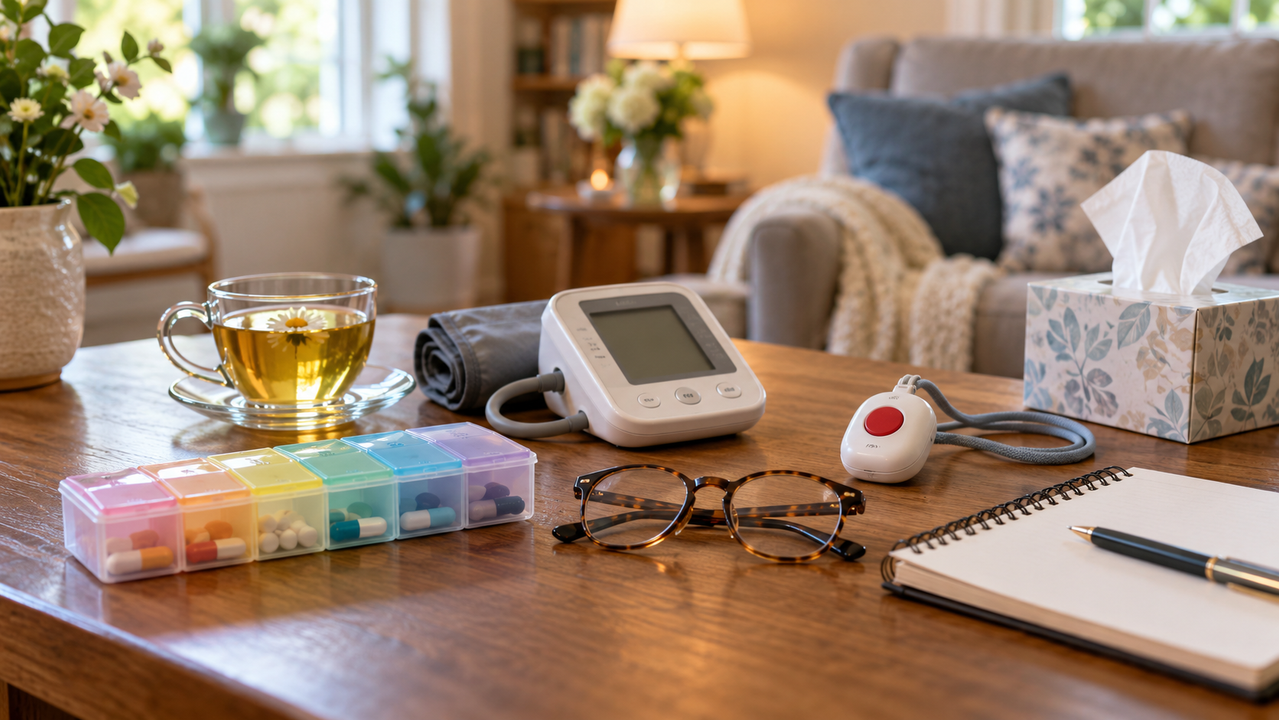
Begin by evaluating the senior’s comfort with technology and their specific medication regimen. Some may prefer simple pillboxes with alarms, while others might benefit from smartphone applications with detailed notifications. Understanding these preferences ensures the reminder system fits seamlessly into their lifestyle.
Including seniors in decision-making promotes acceptance and consistent use of reminder tools.
Setting Up and Testing Reminder Systems
Once a suitable tool is selected, caregivers or seniors should input all medication details accurately. Running through a trial period helps identify any issues with timing, alert volume, or usability. Adjustments during this phase optimize the system’s effectiveness.
Regularly reviewing the setup prevents errors and maintains alignment with prescription changes.
Monitoring and Adjusting Over Time
Consistent monitoring is necessary to ensure that reminders continue to meet the senior’s needs. If medications change or new challenges arise, the system should be updated promptly. Caregivers should also observe whether alerts are being acknowledged and doses taken as scheduled.
This ongoing attention helps sustain medication adherence and maximizes health outcomes.
Addressing Common Challenges with Medication Reminders
Overcoming Resistance to Technology
Some seniors may hesitate to adopt new technology due to unfamiliarity or frustration. Patience and gradual introduction of reminder tools can ease this transition. Providing clear instructions and hands-on support empowers seniors to use these aids confidently.
Involving trusted caregivers during setup and training reduces anxiety and builds trust in the system.
Ensuring Reliability and Consistency
Technical issues or missed alerts can undermine the effectiveness of medication reminders. Selecting high-quality devices and keeping software up to date minimizes these risks. Backup plans, such as written schedules or secondary alarms, provide additional security.
Reliable reminders foster trust and encourage seniors to depend on these systems for their medication management.
Balancing Independence with Support Needs
Medication reminders should empower seniors without diminishing their sense of autonomy. Striking this balance involves tailoring reminders to encourage self-management while allowing caregiver involvement as needed. Open communication about preferences and concerns supports this approach.
Such balanced strategies contribute to improved quality of life and sustained health.
Individuals interested in safe aging practices will find that combining medication reminders with broader support services creates a comprehensive framework for independent senior living.
Taking Action: Applying Medication Reminder Strategies for Better Senior Care
Starting with a Clear Medication Inventory
Compile a detailed list of all medications, including dosages and schedules, to serve as the foundation for any reminder system. This inventory should be reviewed regularly and shared with healthcare providers.
Having accurate information available reduces errors and facilitates setup of effective reminders.
Choosing Practical Tools Aligned with Daily Routines
Select reminder methods that integrate naturally into the senior’s lifestyle. For some, simple alarms or pill organizers might suffice, while others may benefit from smartphone applications or electronic dispensers. The right choice depends on individual preferences and abilities.
Practicality ensures that reminders are seen as helpful aids rather than burdensome tasks.
Engaging Support Networks for Ongoing Success
Caregivers, family members, and healthcare professionals should collaborate to monitor medication adherence and update reminder systems as needed. Encouraging open communication helps address challenges promptly and reinforces the importance of consistent medication management.
This shared responsibility strengthens the support network around seniors, promoting better health outcomes.
Addressing the question of how do medication reminders support seniors managing multiple prescriptions reveals their essential role in reducing errors, enhancing independence, and improving quality of life. Implementing these practical strategies offers a clear path toward safer and more effective medication management for seniors.
Careganic 1061 Merivale Rd Unit#204, Ottawa, ON K1Z 6A9 613-682-0142 Phone: (613)-682-0142 Mail: [email protected] | |
 |